Why Haute Couture Still Matters: Craftsmanship, Sustainability, and the Future of Luxury
Haute couture remains the ultimate expression of fashion as art—an intersection of heritage, technical mastery, and personal storytelling. While culture and commerce shift around it, couture continues to set standards for craftsmanship, innovation, and desirability that ripple across ready-to-wear, red carpet fashion, and luxury lifestyle. What defines haute coutureHaute couture refers to garments made to […]
Haute couture remains the ultimate expression of fashion as art—an intersection of heritage, technical mastery, and personal storytelling. While culture and commerce shift around it, couture continues to set standards for craftsmanship, innovation, and desirability that ripple across ready-to-wear, red carpet fashion, and luxury lifestyle.
What defines haute couture
Haute couture refers to garments made to the highest standards of handcraftsmanship, tailored individually for a client. These pieces are produced in ateliers where master seamstresses, embroiderers, and specialists spend hundreds or even thousands of hours perfecting construction, beading, and fit. Beyond the label, couture is about exclusivity, meticulous technique, and a close collaboration between the maison and its client.
Why couture still matters
Couture serves as a laboratory for innovation. Techniques developed in ateliers—complex draping, couture embroidery, hand-rolled hems—often trickle down into ready-to-wear collections and mass manufacturing processes.
Couture also sustains artisanal professions that require multi-generational training, preserving rare skills that would otherwise disappear. For high-net-worth clients, couture offers a highly personalized experience: private fittings, one-of-a-kind designs, and garments that are truly bespoke.
Contemporary directions shaping couture
– Sustainability and responsible sourcing: Today’s couture houses are prioritizing traceable materials, low-waste production, and long-lasting design. Many ateliers are embracing repair and restorability as core elements of luxury, reframing garments as heirloom investments rather than disposable purchases.
– Digital couture and new tech: Digital tools are augmenting traditional workflows—3D prototyping, virtual fittings, and laser-cut fabrics allow designers to experiment faster while preserving hand-finishing for final pieces.
Collaborations with tech studios and artisans bring hybrid pieces that feel both futuristic and rooted in craft.
– Inclusivity and gender fluidity: More maisons are offering made-to-measure and couture services beyond conventional gender binaries, crafting silhouettes that suit a broader range of bodies and identities. This shift expands couture’s appeal while retaining its bespoke essence.
– Cross-disciplinary collaborations: Designers increasingly partner with artists, jewelers, and performance directors to present couture as immersive storytelling. These collaborations elevate runway presentations and private salons into multi-sensory experiences.
The client experience
Couture clients expect privacy, customization, and a narrative. Appointments are often conducted in intimate salons, where mood boards, fabric samplings, and fittings create a dialogue between client and creative director.
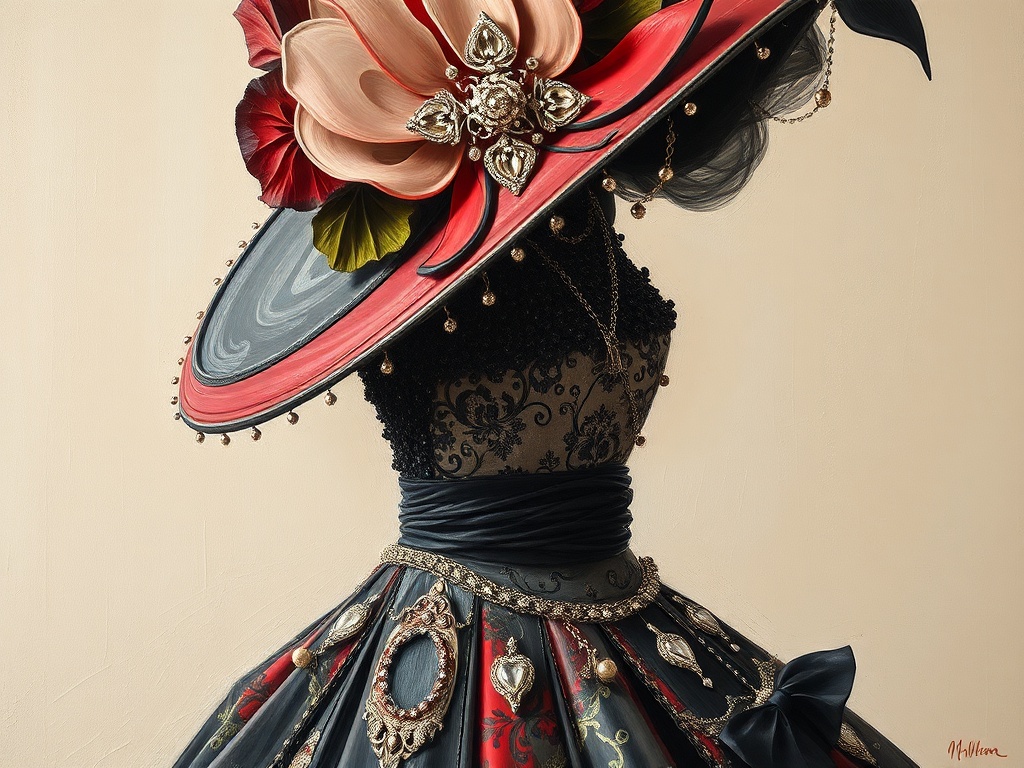
Beyond the garment itself, services like custom tailoring, wardrobe planning, and long-term conservation are part of the value proposition.
Investment and aftercare
Couture is a long-term investment. Proper storage, professional cleaning, and periodic conservation extend a piece’s life and maintain its value.
Many maisons offer aftercare programs that include repairs and adaptations, reinforcing sustainability while preserving provenance.
Couture’s cultural influence
Even when worn infrequently, couture pieces make headlines and influence trends. Red carpet moments, museum exhibitions, and celebrity commissions amplify a maison’s creative vision and inspire mainstream designers. This cultural role keeps couture relevant beyond the rarefied world of private clients.
Choosing a maison or atelier
When selecting a couture house or atelier, prioritize craftsmanship and transparency.
Look for clear information about materials, atelier practices, and client services. A reputable maison will emphasize handwork, offer detailed consultations, and be willing to explain the lifecycle of a couture piece—from concept sketches to conservation.
Couture endures because it marries human expertise with imaginative design. For anyone invested in fashion as culture, couture offers a masterclass in what makes clothing meaningful: time, skill, and the intimate collaboration between maker and wearer.