What Is Haute Couture? Inside Craftsmanship, Rules, and the Sustainable Future of Fashion
Haute couture stands as the pinnacle of fashion: an arena where artistry, technique, and exclusivity converge. Unlike ready-to-wear, couture is defined by handcraft, one-off construction, and a level of personalization that transforms clothing into wearable art. For many houses, couture is less about volume and more about storytelling—each piece carries labor-intensive work, historical references, and […]
Haute couture stands as the pinnacle of fashion: an arena where artistry, technique, and exclusivity converge.
Unlike ready-to-wear, couture is defined by handcraft, one-off construction, and a level of personalization that transforms clothing into wearable art. For many houses, couture is less about volume and more about storytelling—each piece carries labor-intensive work, historical references, and an unmistakable signature.
What makes a garment haute couture? The term is legally protected in France and reserved for a narrow group of maisons that meet strict standards set by the trade governing body. Key features include made-to-order service with multiple fittings, a Paris-based atelier staffed by highly skilled artisans, and collections presented with the same theatrical care typically associated with couture shows. That rigorous framework preserves techniques that would otherwise be nearly impossible to sustain in mass production.
Craftsmanship is the heart of couture. Techniques such as hand embroidery, tambour beading, intricate draping, and couture tailoring require teams of specialists—pattern makers, cutters, and the famed petites mains who stitch delicate elements by hand. A single embellished bodice can represent hundreds of hours of artisanal labor. Those behind the seams often work with traditional materials—silk, organza, tulle, and vintage laces—combined with contemporary treatments to achieve texture, light, and movement that machines cannot replicate.
Couture’s role in modern fashion remains multifaceted.
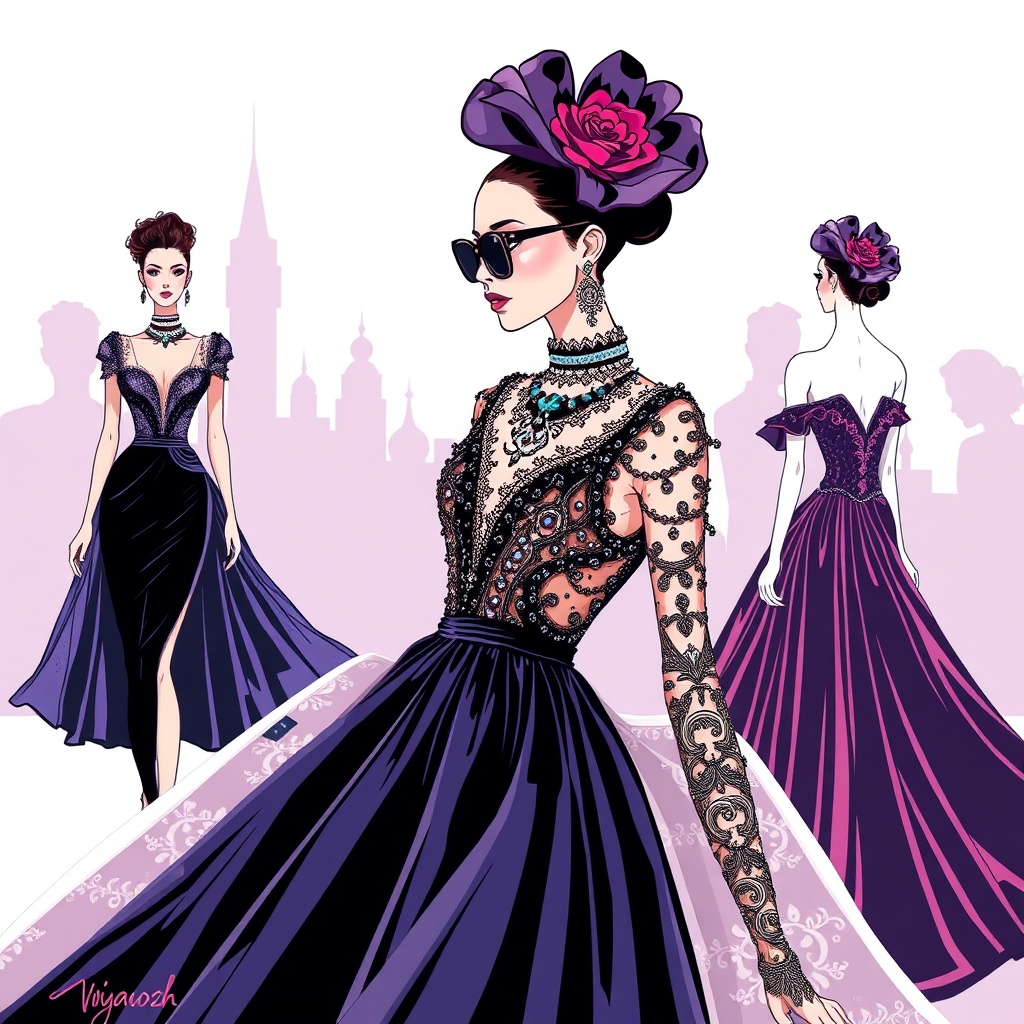
For maisons, it functions as a laboratory and a brand beacon: couture experiments filter into ready-to-wear lines, and the spectacle of couture shows elevates a label’s reputation across luxury markets. For clients, couture offers extreme personalization—fabrics, colors, and even silhouette details can be tailored to suit a single client’s body and taste. For collectors and museums, couture is prized for its cultural value and craftsmanship legacy.
Contemporary couture is also evolving. Sustainability and circularity have become central concerns: ateliers are exploring deadstock fabrics, biodegradable embellishments, and repair programs that extend a garment’s life. Technology is finding its place alongside handwork—3D printing, laser cutting, and digital embroidery can complement, not replace, hand finishes, while virtual showrooms and private digital presentations broaden accessibility without diluting exclusivity.
Experiencing couture no longer requires a front-row seat at a runway show. Museums and temporary exhibitions regularly showcase historic and contemporary couture pieces, revealing construction details and the stories behind them. Many houses offer private appointments where clients and enthusiasts can learn about techniques, view sample books, and commission bespoke garments. For those less inclined to purchase, following atelier documentaries, behind-the-scenes footage, and curator talks offers an intimate view of the craft.
Couture occupies a rarefied place between fashion, fine art, and cultural heritage.
It preserves dying crafts, elevates creative experimentation, and reminds the industry that clothing can be an object of deep human investment. Whether admired from afar or experienced up close, couture continues to inspire designers, buyers, and anyone who values the extraordinary results of time, skill, and imagination.