Unveiling the Runway: A Comprehensive Guide to Navigating Fashion Week Coverage
Dazzling the Runway: An Insider’s Look at Fashion Week Coverage The world of fashion is a vibrant, ever-evolving entity that is constantly pushing boundaries and creating new trends. A primary battleground for this style war is Fashion Week, where designers, models, and industry professionals come together to celebrate and showcase the latest in sartorial splendor. […]
Dazzling the Runway: An Insider’s Look at Fashion Week Coverage
The world of fashion is a vibrant, ever-evolving entity that is constantly pushing boundaries and creating new trends. A primary battleground for this style war is Fashion Week, where designers, models, and industry professionals come together to celebrate and showcase the latest in sartorial splendor.
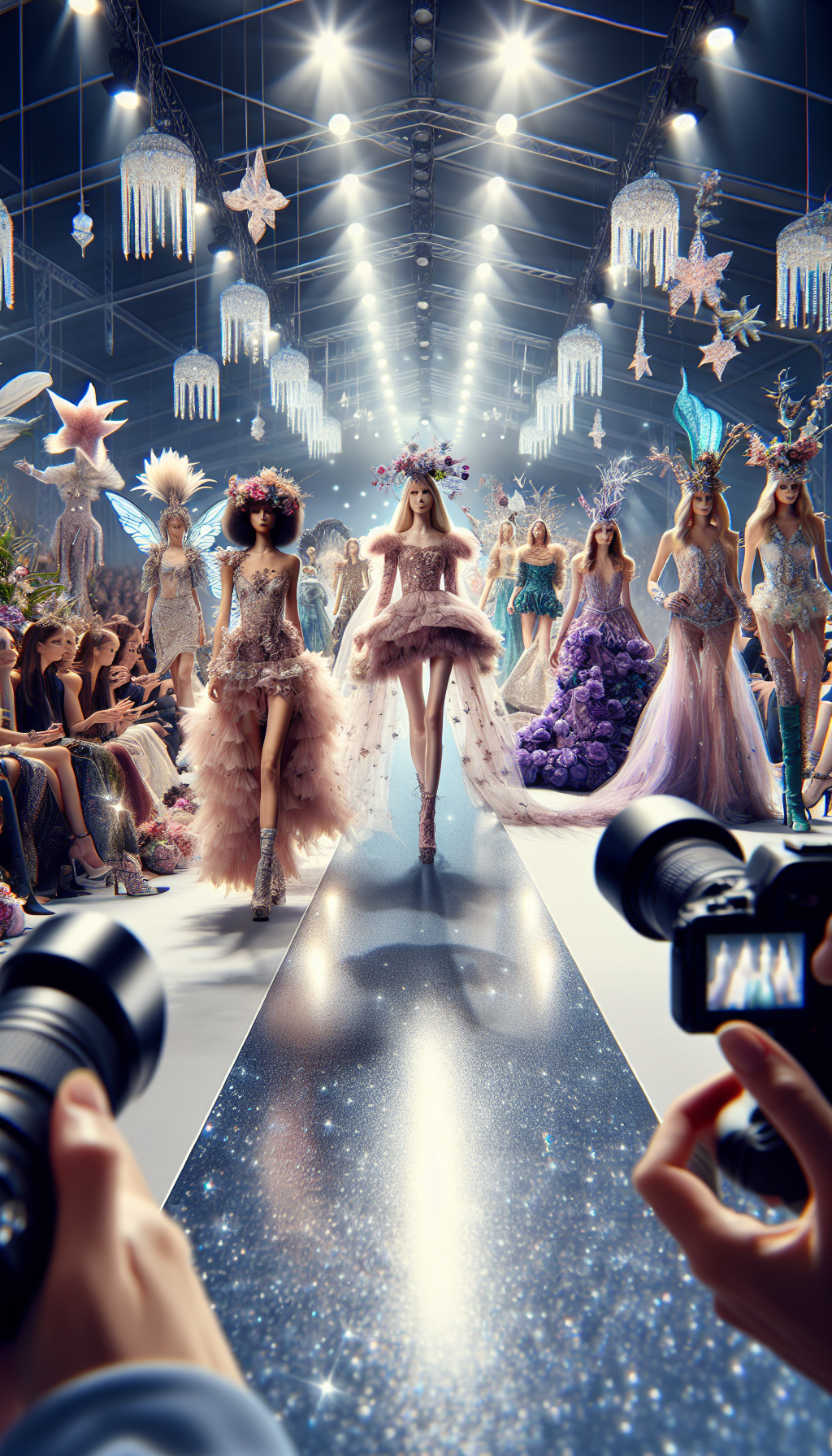
For those of us not directly involved in the industry but still have an avid interest in the latest styles and trends, Fashion Week coverage becomes our lifeline. It’s a window into the world of couture, innovative designs, and the fashion industry’s heartbeat. But how does the media cover Fashion Week, and what impact does it have on the fashion world? Let’s delve into that fascinating process.
Capturing the Glitz and Glamour
Fashion Week coverage is more than just the runway. It is the backstage hustle, the front-row celebrities, the street styles, and the after-parties.
All these layers coalesce to convey the overall narrative of the event. This multi-faceted coverage provides a complete picture that extends beyond the clothing to encapsulate the atmosphere, the ethos, and the energy of the week.
Photos and footage from the runway are, of course, essential to any Fashion Week coverage. They showcase the actual designs and trends that designers are championing. From the extravagant to the minimalist, each ensemble tells a story, and it’s the job of the media to disseminate these stories far and wide.
Harnessing the Power of Social Media
Social media platforms have revolutionized Fashion Week coverage. Instagram, Twitter, and TikTok have allowed a democratization of the industry.
Now, anyone with a smartphone can become a fashion critic, and anyone with an internet connection can view the shows, often in real-time. This instantaneous connection has seen global engagement with Fashion Week skyrocket, turning a once exclusive event into a worldwide spectacle.
Influencers, celebrities, and bloggers use these platforms to provide their own unique perspective on the shows, adding another layer of depth to the coverage. Their personal insights, coupled with high-quality imagery and video content, help whet the appetites of fashion aficionados worldwide who eagerly anticipate their posts and stories.
The Influence of Fashion Week Coverage
The coverage of Fashion Week has a monumental impact on the fashion industry. It drives sales, influences trends, and shapes the public perception of brands. High praise from critics and influencers can catapult a designer to stardom, while a negative review can spell disaster.
On a broader scale, Fashion Week coverage contributes to the global conversation around fashion.
It encourages dialogue on sustainable fashion practices, diversity in modeling, and the evolving definition of style. In a world increasingly concerned with social issues, this aspect of the coverage is just as important as the runway looks themselves.
Fashion Week coverage, in essence, serves as a bridge between the exclusive world of high fashion and the everyday person. By capturing the dynamism, the creativity, and the spirit of Fashion Week, the media allows us to participate in a spectacle that defines style trends for the seasons to come.
As Fashion Week unfolds across the globe, one thing is for sure: the coverage will be as diverse, dynamic, and exciting as the runway looks themselves. So, whether you’re a seasoned fashionista or a casual observer, get ready to immerse yourself in the thrilling world of fashion, presented to you through the lens of robust, all-encompassing coverage.