Unveiling the Impact of Fashion Week Coverage: Insights from the Runway to the Internet
The Glittering World of Fashion Week Coverage: A Deep Dive Fashion Week events around the globe have become unmissable milestones in the fashion industry’s calendar. From the legacy houses of Paris and Milan to the cutting-edge designers in London and New York, these events are where trends are set and boundaries are pushed. But, as […]
The Glittering World of Fashion Week Coverage: A Deep Dive
Fashion Week events around the globe have become unmissable milestones in the fashion industry’s calendar. From the legacy houses of Paris and Milan to the cutting-edge designers in London and New York, these events are where trends are set and boundaries are pushed.
But, as any fashionista will tell you, it’s not just about the runway. The real allure of these events is in the coverage.
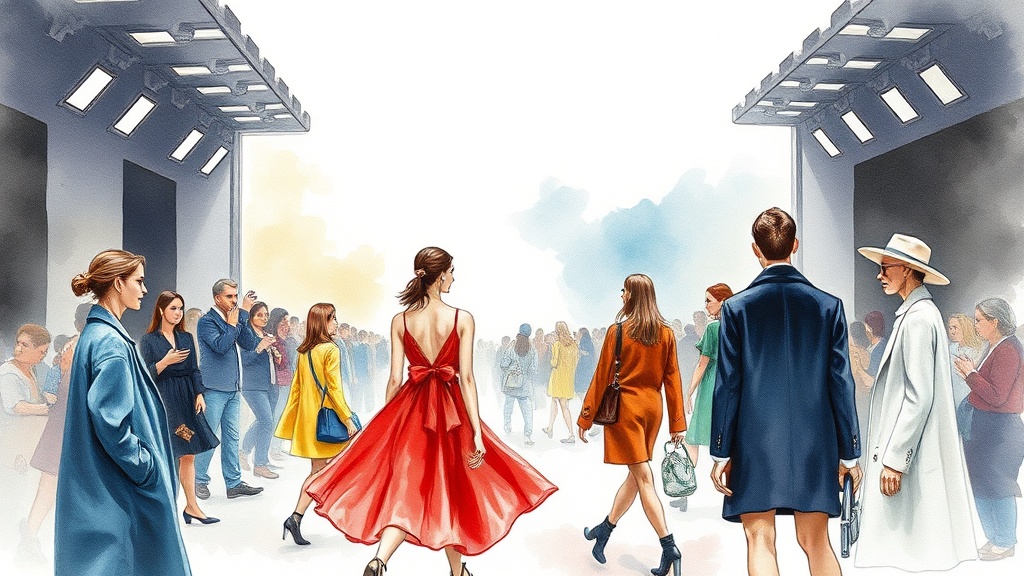
Fashion Week coverage has become an industry unto itself. Today, it’s not just about who’s sitting on the front row but also who’s reporting from it. A myriad of fashion critics, bloggers, influencers, and photographers descend on these events, each with their own unique perspective.
This variety of voices has enriched the conversation around fashion, transforming it from a monologue to a dialogue.
One of the most vital aspects of Fashion Week coverage is fashion criticism. Just like in film or theatre, fashion critics play a crucial role in analyzing and interpreting the collections. Their insights, usually published in esteemed fashion magazines or online platforms, help to contextualize the trends and influences seen on the runway. They offer a thoughtful perspective that goes beyond what’s ‘hot’ or ‘not’, delving into the cultural, social, and historical narratives woven into each garment.
In the digital age, fashion bloggers and influencers have also become a core part of Fashion Week coverage. With their large social media followings, these fashion enthusiasts have democratized Fashion Week events, making them accessible to an audience that extends far beyond the front row. Their behind-the-scenes footage, live updates, and candid reviews offer an authentic and relatable perspective of these often-exclusive events.
And let’s not forget the photographers. A single photograph can speak volumes, capturing the drama, creativity, and emotion of a runway show. This is why street style photographers have become a staple of Fashion Week coverage. Their candid shots of attendees have become as influential as the runway shows themselves, offering real-time style inspiration that is often more attainable and inclusive.
But Fashion Week coverage isn’t just about the clothes.
It’s equally about the people, the atmosphere, the artistry. It’s an opportunity to peek into the creative process of designers, to see the months of hard work, the dedication, the passion that goes into each collection.
This is beautifully captured in behind-the-scenes features and interviews that form a significant part of Fashion Week coverage.
Lastly, it’s worth noting that Fashion Week coverage also plays a vital role in driving the industry forward.
By spotlighting sustainable practices, championing diversity, and challenging outdated norms, it has the power to influence change within the fashion world.
This kind of coverage is just as crucial as the runway shows themselves, pushing the industry to evolve and grow in a more inclusive and ethical direction.
Today, Fashion Week coverage is as diverse and dynamic as the industry itself.
With critics, influencers, photographers, and enthusiasts all contributing their unique voices and perspectives, it’s an exciting time to be a part of the fashion conversation.
It’s clear that while the runway shows may draw to a close, the impact of comprehensive Fashion Week coverage continues to ripple throughout the fashion world, setting the tone for the seasons ahead.