Unraveling the Mystique: The Influence and Evolution of Luxury Fashion Brands
The Allure and Impact of Luxury Fashion Brands The world of luxury fashion brands is nothing short of a captivating spectacle. With their meticulously crafted designs, top-tier materials, and an undying commitment to innovation, these brands have managed to create a realm that stretches far beyond the scope of clothing. They carry a significant cultural […]
The Allure and Impact of Luxury Fashion Brands
The world of luxury fashion brands is nothing short of a captivating spectacle. With their meticulously crafted designs, top-tier materials, and an undying commitment to innovation, these brands have managed to create a realm that stretches far beyond the scope of clothing. They carry a significant cultural footprint and a palpable influence in the worlds of art, design, and popular culture.
As the craze for luxury brands continues to surge, we’re bearing witness to a fascinating shift in consumer behavior. Today, more than ever, consumers are not simply buying a product; they are purchasing a piece of a brand’s story, its heritage, and its identity. This change in consumption patterns has prompted luxury fashion brands to refine their branding strategies and to place a heavier emphasis on their history, quality, and uniqueness.
The Rise of Experience Over Product
Increasingly, consumers are looking to associate themselves with a brand’s identity as much as its product offering. The luxury fashion market has been quick to pick up on this, transforming the retail experience into a journey of discovery. The focus has moved from mere ownership to experiences, resulting in the concept of ‘experiential luxury’.
Brands like Chanel and Louis Vuitton are leading the charge by creating immersive experiences for their customers. From fashion shows in exotic locations to curated pop-up stores that tell a brand’s unique story, the line between retail and entertainment is blurring.
Emphasizing the Art of Craftsmanship
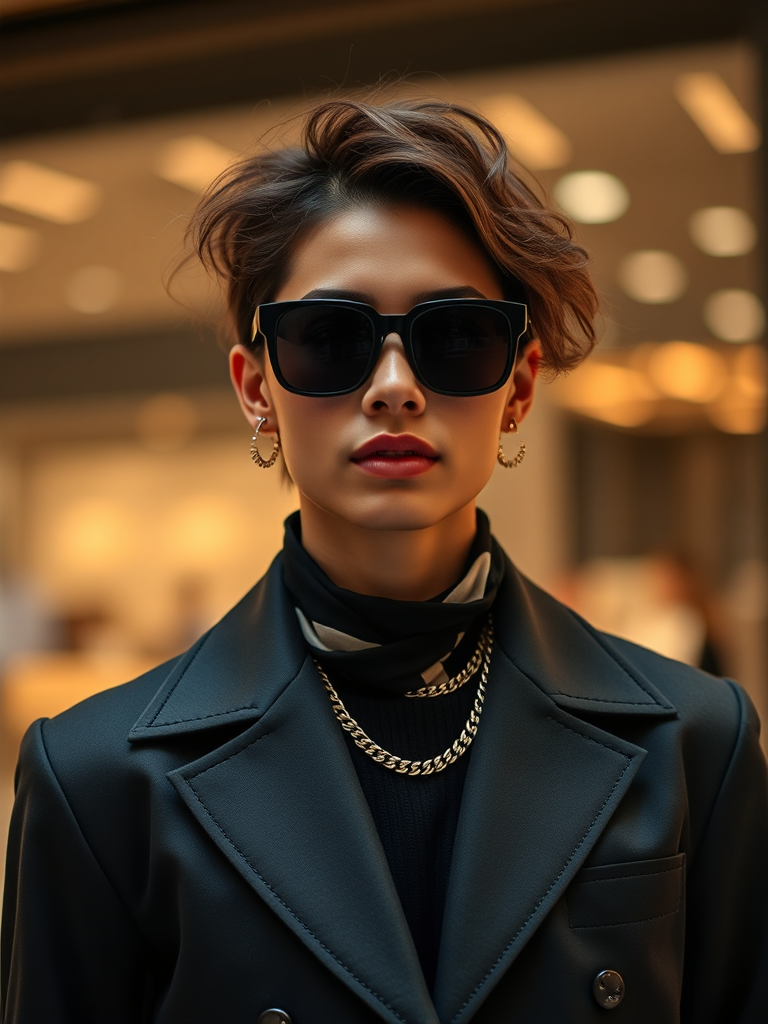
A major part of the allure of luxury fashion brands lies in their commitment to craftsmanship. While fast fashion brands are known for mass-produced clothing, the likes of Gucci, Prada, and Hermes pride themselves on their artisan production methods.
By focusing on the hand-made and the slow-made, these brands give their customers the assurance of quality, longevity, and exclusivity.
This attention to detail permeates all aspects of the luxury fashion industry, from the selection of the finest materials to the training of skilled artisans.
The result is a product that can last decades, making each purchase an investment in timeless fashion.
The Impact of Sustainability in Luxury Fashion
Recently, luxury fashion brands have also started to embrace sustainability. This growing trend reflects the increasing consumer demand for ethical and eco-friendly products. Brands like Stella McCartney have been pioneers in this respect, using only sustainable materials and employing ethical production methods.
More and more luxury brands are following suit, making sustainability a core tenet of their business model. They are investing in research and development to introduce innovative sustainable materials, committing to carbon neutrality, and promoting circular fashion. These steps not only cater to the eco-conscious consumer but also ensure the brand’s relevance and longevity in the ever-evolving fashion landscape.
Ultimately, the world of luxury fashion brands is a complex and fascinating domain, characterized by its commitment to quality, its focus on brand identity, and its willingness to adapt in the face of shifting consumer demands. As these brands continue to evolve, they will undoubtedly continue to shape and influence the wider world of fashion, design, and popular culture. Whether you are an avid fashion enthusiast or a casual observer, it is undeniable that the evolution and impact of luxury fashion brands will continue to be a spectacle to behold.