Ultimate Guide to Fashion Week Coverage: Planning, Content Strategy, Social Amplification & Sustainability
Fashion Week coverage has evolved from a handful of front-row editors and photographers to a global, multi-channel spectacle. Whether reporting for a magazine, running a brand account, or covering street style for a blog, a strategic approach helps cut through the noise and reach an engaged audience. Planning and preparationSuccessful coverage starts before the first […]
Fashion Week coverage has evolved from a handful of front-row editors and photographers to a global, multi-channel spectacle. Whether reporting for a magazine, running a brand account, or covering street style for a blog, a strategic approach helps cut through the noise and reach an engaged audience.
Planning and preparation
Successful coverage starts before the first invite drops.
Build a running calendar of shows, events, presentations, and off-schedule happenings.
Prepare press kits and media lists tailored to each show—include visuals, lookbooks, and key messages that editors and influencers can use. Coordinate with PR teams and show producers to confirm access, timings, and restrictions for photography and recording.
Content formats that work
Diversify content to match audience behavior. High-quality stills and editorials remain essential for long-form storytelling and features. Short-form vertical video performs strongly on social platforms and is ideal for runway clips, backstage moments, and quick designer interviews. Live streams reach remote audiences and drive immediacy; pair live video with on-screen captions and a dedicated moderator to surface key questions and comments.
Street style and moments beyond the runway
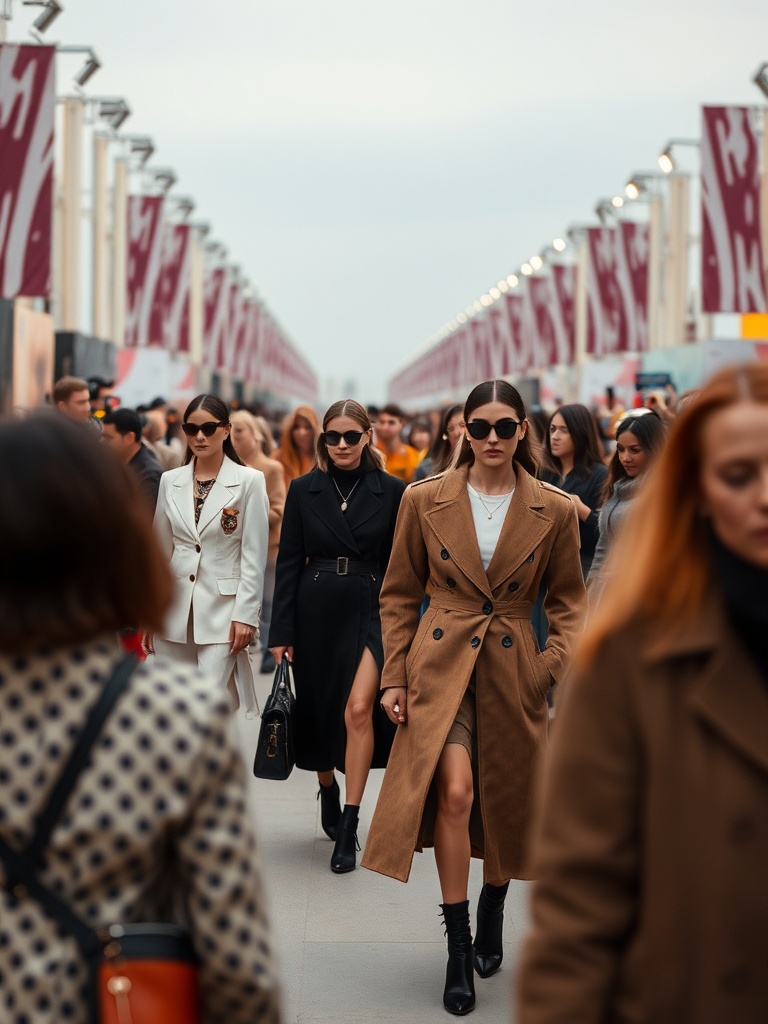
Street style has become its own headline act. Position photographers and videographers near show venues to capture authentic outfits, brand mashups, and the energy of the crowd. Look for visual contrasts, unexpected details, and personal narratives—those images will resonate across features, galleries, and social reels.
Storytelling and editorial angles
Go beyond the garments.
Highlight craftsmanship, sustainable practices, and the creative process behind collections. Profiles of emerging designers, deep dives into materials, or explainers on silhouettes and tailoring build authority and provide evergreen value. Use pull quotes or short designer soundbites to add personality and context to visual content.
Social strategy and amplification
Map content to platform strengths. Use evergreen editorial posts on feeds, snackable reels and stories for immediate engagement, and long-form video or interviews on owned channels for audience retention. Create a consistent hashtag strategy tied to each show and collection, and optimize captions with keywords like designer names, collection themes, and location tags for discoverability.
Accessibility and inclusivity
Make coverage inclusive and accessible.
Provide alt text for images, captions for videos, and clear summaries of runway themes. Showcase diverse models, sizes, and cultural perspectives. Audience trust grows when coverage reflects the full spectrum of fashion communities.
Collaboration and influencer partnerships
Partner with stylists, photographers, and micro-influencers to broaden reach. Brief collaborators on key campaign messages and supply assets like logos and approved visuals for cohesive storytelling. Micro-influencers often deliver higher engagement and authentic reactions that complement editorial authority.
Sustainability in coverage
Press often spotlights sustainability claims—verify them.
Ask designers about sourcing, production methods, and lifecycle plans. Transparent reporting builds credibility and highlights meaningful innovation in materials and manufacturing.
Measuring impact
Track a blend of vanity and engagement metrics: impressions, saves, and watch-time for content performance; referral traffic and time-on-page for editorial impact; and conversion metrics when promoting commerce or events.
Use post-event analytics to inform pitch lists, editorial focus, and platform investment for future coverage.
Final note
Fashion Week coverage is as much about curating a narrative as it is about capturing visuals. Prioritize story-driven content, optimize for the platforms your audience uses, and maintain editorial integrity—those elements will turn fleeting runway moments into lasting cultural conversations.