The Ultimate Guide to Couture and Haute Couture: Atelier Secrets, Sustainability, Buying & Care
Couture and haute couture remain the pinnacle of fashion craftsmanship, where imagination meets meticulous handwork. Far from being only extravagant showpieces, these garments set the tone for design, technique, and luxury across the wider fashion ecosystem. Understanding what makes couture distinct helps collectors, stylists, and curious fashion lovers appreciate its enduring influence. What defines coutureCouture […]
Couture and haute couture remain the pinnacle of fashion craftsmanship, where imagination meets meticulous handwork. Far from being only extravagant showpieces, these garments set the tone for design, technique, and luxury across the wider fashion ecosystem.
Understanding what makes couture distinct helps collectors, stylists, and curious fashion lovers appreciate its enduring influence.
What defines couture
Couture garments are made-to-measure, often one-of-a-kind creations produced in an atelier by skilled artisans. The hallmark techniques include hand draping, bespoke pattern making, multiple toile fittings, and dense hand embroidery.
High-quality textiles—silk gazar, silk faille, organza, tulle, and rare laces—are paired with hours of hand finishing: hemming, beading, and invisible seams that can’t be replicated by mass production. Couture’s bespoke nature means each piece fits the wearer’s body and personality, elevating clothing into wearable art.
The atelier process
A couture piece typically moves through careful stages: consultation, pattern development, muslin mock-ups (toile), fabric cutting by hand, and progressive fittings. Embroidery or embellishment houses may spend hundreds of hours on a single gown, using techniques like tambour beading, goldwork, or needlepoint. Master tailors and seamstresses execute precision construction—pad stitching, hand-set sleeves, and couture linings—ensuring longevity and flawless silhouette.
Couture’s influence on ready-to-wear
Couture is a laboratory for ideas. Details tested in the atelier—innovative pleating, novel fabric treatments, or new silhouettes—often cascade into ready-to-wear collections and high-street interpretations. Even when couture garments are exclusive, their craftsmanship and design language inform seasonal trends, textile development, and commercial manufacturing techniques.
Sustainability and modern approaches
Many couture ateliers are embracing sustainability by sourcing responsibly, adopting zero-waste pattern cutting, and reviving artisanal techniques that reduce reliance on mass production.
Upcycling vintage fabrics into bespoke pieces and using natural dyes are practical ways couture houses minimize environmental impact while preserving craftsmanship. Additionally, some maisons offer couture repair and alteration services, extending a garment’s life and reducing waste.
How couture is presented today
Runway presentations remain dramatic, but private showings, salon-style appointments, and exclusive client presentations are increasingly common. These intimate formats allow deeper engagement between designers and clients, emphasizing personalization over spectacle. Digital tools—virtual lookbooks, 3D renderings, and remote fittings—can enhance the couture experience but never replace the tactile value of a hand-stitched garment.
Buying and caring for couture
Couture is an investment in rarity and craftsmanship. Buyers should request condition reports, provenance, and care instructions. Proper storage is essential: use padded hangers for structured items, acid-free tissue for folding, breathable garment bags, and climate-controlled conditions to protect fragile embellishments.
Professional conservation cleaning and repair ensure longevity; avoid DIY methods for stains or beadwork damage.
Why couture matters
Beyond exclusivity, couture preserves cultural heritage—hand embroidery traditions, artisanal workshops, and regional textile crafts. It nurtures artisan communities and keeps specialized skills alive. For creatives and consumers alike, couture offers a lesson in quality, patience, and refinement that elevates how fashion is made and worn.
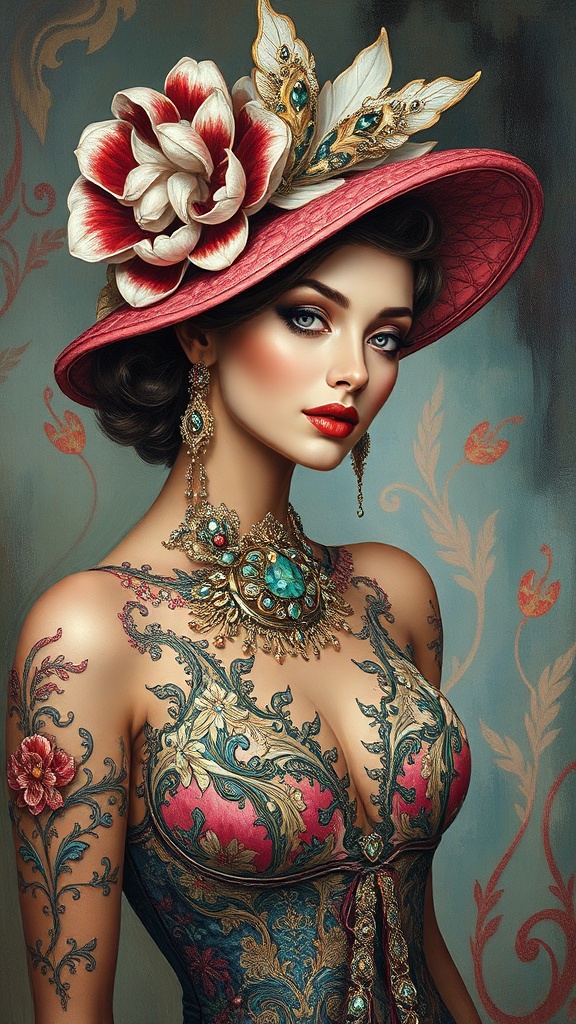
Whether admired from the front row or experienced in a private fitting, couture represents a commitment to craft that continues to shape fashion’s creative and ethical directions.