The New Rules of Luxury Fashion in 2025: Craftsmanship, Sustainability & Personalization
High-end fashion is evolving beyond seasonal cycles into a more considered, experience-driven space. Luxury houses and independent ateliers are responding to consumer demands for craftsmanship, sustainability, personalization, and wearable innovation—shaping trends that blend tradition with modern life. What’s shaping luxury now– Craft and atelier techniques: A renewed appetite for handwork and limited runs is lifting […]
High-end fashion is evolving beyond seasonal cycles into a more considered, experience-driven space.
Luxury houses and independent ateliers are responding to consumer demands for craftsmanship, sustainability, personalization, and wearable innovation—shaping trends that blend tradition with modern life.
What’s shaping luxury now
– Craft and atelier techniques: A renewed appetite for handwork and limited runs is lifting artisanal techniques back into the spotlight.
Embroidery, hand-dyed textiles, and made-to-measure tailoring signal exclusivity and longevity, appealing to buyers who want pieces that age beautifully.
– Sustainable luxury: Eco-conscious materials and transparent supply chains are core to desirability.
Regenerated cashmere, recycled nylon, plant-based dyes, and traceable leather are increasingly common, alongside brands committing to small-batch production and extended repair services.
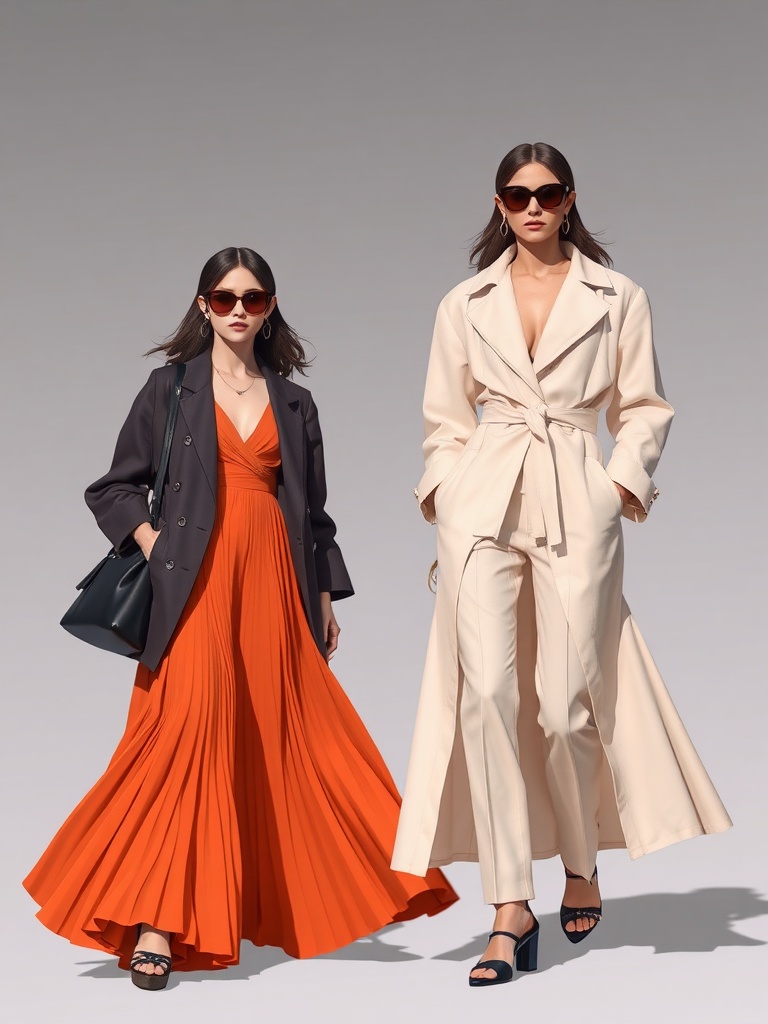
– Elevated loungewear and hybrid tailoring: The lines between workwear and leisurewear continue to blur. Tailored blazers with relaxed shoulders, luxe knit sets, and structured sweatshirts in premium fabrics offer comfort without sacrificing polish—ideal for a lifestyle that moves between home, office, and social settings.
– Heritage modernized: Legacy brands are reinterpreting archives with fresh silhouettes and modern proportions. The effect is a mix of nostalgia and novelty—recognizable codes updated for present-day wardrobes.
Accessories and finishing touches
Bags and shoes are focal points for luxury statements. Sculptural heels, bold hardware, and tactile surfaces (like braided leather and mixed-media treatments) add presence. Small-luxe accessories—mini bags, decorative scarves, and layered jewelry—are used to personalize looks, letting wearers invest in pieces that make an outfit distinct.
Color and material directions
Color stories swing between grounding earth tones and saturated jewel hues. Think warm beiges, olive, and terracotta balanced with emerald, sapphire, and amethyst accents. Fabric innovation also plays a role: performance blends that look luxurious, lab-developed silks, and responsibly sourced furs or high-quality alternatives create texture and depth.
Digital influence and new ownership models
Digital showrooms, augmented reality try-ons, and virtual fashion drop experiences are changing how luxury is discovered and purchased. Meanwhile, resale platforms and rental services are legitimizing circular ownership of designer pieces. Pre-owned markets preserve value and broaden access, while made-to-order offerings reduce overproduction.
Design directions to watch
– Gender-fluid tailoring: Silhouettes that move beyond rigid gender codes continue to expand, with designers prioritizing fit, proportion, and versatility.
– Maximalist details: For eveningwear and statement pieces, embellishments, mixed prints, and layered textures return as a counterpoint to minimalism.
– Personalization at scale: Monogramming, bespoke colorways, and curated capsule services let clients shape their wardrobe narratives without sacrificing the luxury experience.
How to invest wisely
– Prioritize craftsmanship and fit over trend-driven fast luxury; well-made pieces maintain relevance and resale value.
– Consider hybrid garments that adapt across settings—these give more wear per investment.
– Use luxury resale and rental for statement pieces to enjoy variety while lowering environmental impact.
– Look for transparency: brands that publish sourcing details and offer repair services often deliver longer-term value.
High-end fashion is increasingly defined by thoughtful choices—whether that means choosing heritage craftsmanship reimagined for modern life, embracing sustainable materials, or mixing digital discovery with tactile buying experiences. The most enduring luxury pieces will balance beauty, purpose, and responsibility, reflecting personal style and smarter consumption.