The New Luxury: How Sustainable Craftsmanship, Quiet Style, and Timeless Pieces Are Redefining High-End Fashion
Luxury fashion is moving beyond seasonal hype and chasing a new set of priorities: craftsmanship, sustainability, and enduring style. Designers and buyers alike are rethinking what makes a piece truly high-end, blending innovation with wardrobe longevity. Here’s a clear guide to the most influential currents shaping high-end fashion today—and how to navigate them when building […]
Luxury fashion is moving beyond seasonal hype and chasing a new set of priorities: craftsmanship, sustainability, and enduring style.
Designers and buyers alike are rethinking what makes a piece truly high-end, blending innovation with wardrobe longevity. Here’s a clear guide to the most influential currents shaping high-end fashion today—and how to navigate them when building a refined closet.
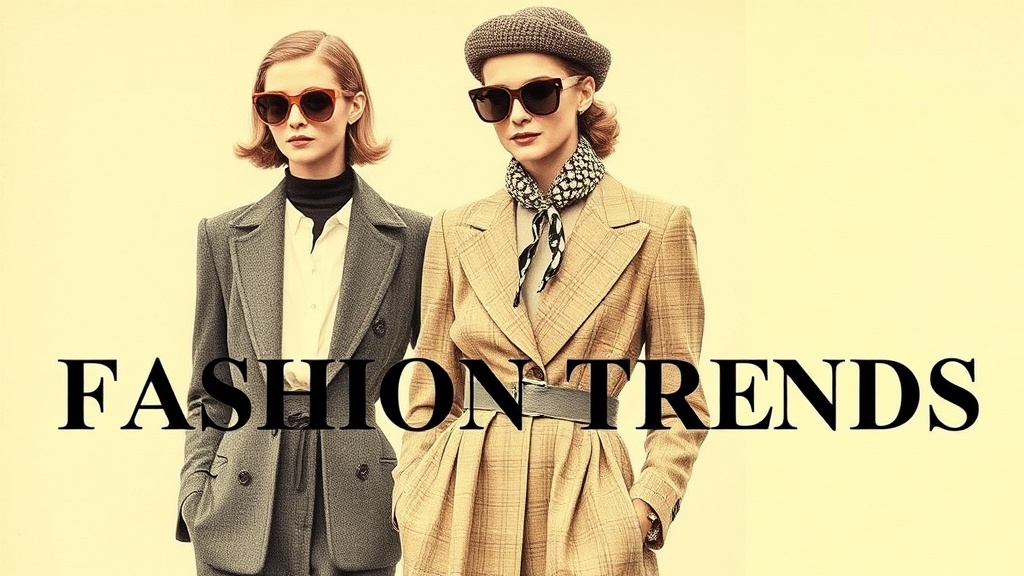
Key trends shaping luxury fashion
– Sustainable luxury as status
High-end brands are redefining prestige around responsible sourcing and transparent production.
Lab-grown materials, regenerated fibers, and closed-loop manufacturing are becoming core selling points. Consumers now equate thoughtful materials and traceable supply chains with genuine luxury.
– Quiet luxury and elevated minimalism
Quiet luxury—the art of refined, logo-free dressing—continues to dominate.
Fine fabrics, impeccable tailoring, and subtle details signal pedigree more effectively than loud branding.
Investing in well-cut coats, classic knitwear, and tonal suiting pays dividends across seasons.
– Craft, heritage, and artisanal techniques
Hand-finished details, traditional crafts, and limited-run collections emphasize uniqueness. Houses that highlight artisanal processes—embroidery, hand-stitching, and bespoke finishes—appeal to buyers seeking items with story and provenance.
– Reimagined logos and expressive identity
While some houses pull back on overt branding, others experiment with reinterpretations: archival motifs, abstract monograms, and playful reworks that feel modern rather than mass-produced. This nuanced approach keeps brand identity fresh without overwhelming the garment.
– Gender-fluid and inclusive design
High-end lines increasingly blur gendered silhouettes. Tailoring adapts to diverse body types, and collections present garments that prioritize fit and comfort over conventional gender codes, reflecting a more inclusive idea of luxury.
– Tech integration and the digital wardrobe
Augmented reality try-ons, virtual showrooms, and digital garments for online personas are expanding how people interact with luxury. Tech-enhanced fabrics—wrinkle-resistant finishes, smart textiles—also find their way into elevated wardrobes, marrying function with form.
– Resale, rental, and circular commerce
The secondary market is now a critical part of luxury culture. Designer resale platforms and rental services enable access to iconic pieces while extending product lifecycles. For conscious shoppers, these channels offer a way to enjoy high-end items with lower environmental impact.
How to shop and invest wisely
– Focus on fit and fabric: Prioritize natural fibers and interior finishes.
A well-tailored blazer or a hand-stitched shoe will outperform a trending fast-fashion splurge.
– Consider provenance: Look for brands that publish sourcing and production details.
Labels committed to traceability are less likely to sacrifice ethics for aesthetics.
– Mix trend with timeless: Use statement pieces—like a bold coat or artisan bag—to update a capsule wardrobe anchored by neutral, versatile staples.
– Explore resale and rental: Buying pre-loved or renting for special occasions can be more economical and more sustainable than chasing single-use purchases.
Care and longevity
Maintenance is part of the luxury proposition. Professional cleaning, proper storage, and timely repairs preserve value and appearance. Investing in quality care extends a garment’s life and reinforces the circular approach that leading brands advocate.
Luxury fashion is evolving to reward discernment: thoughtful purchases, attention to craft, and an eye for enduring design. By blending these priorities, a modern wardrobe becomes both expressive and responsible—reflecting personal taste while respecting the planet and the makers behind the pieces.