The New Luxury: How Craftsmanship, Sustainability, Tech and Streetwear Are Redefining High‑End Fashion
High-end fashion trends are reshaping what luxury means—blending heritage craftsmanship with conscious consumption, technological innovation, and streetwise energy. For anyone tracking luxury fashion, understanding these shifts helps build a wardrobe that’s stylish, sustainable, and future-ready. What’s driving luxury nowConsumers are seeking meaning alongside aesthetics. Luxury buyers value provenance, transparency, and longevity as much as design. […]
High-end fashion trends are reshaping what luxury means—blending heritage craftsmanship with conscious consumption, technological innovation, and streetwise energy. For anyone tracking luxury fashion, understanding these shifts helps build a wardrobe that’s stylish, sustainable, and future-ready.
What’s driving luxury now
Consumers are seeking meaning alongside aesthetics. Luxury buyers value provenance, transparency, and longevity as much as design. That has pushed maisons and independent ateliers to highlight artisanal techniques, materials traceability, and repair services. At the same time, a growing appetite for individuality favors bespoke offerings, limited-run collaborations, and made-to-order pieces that reduce waste.
Key trends shaping luxury style
– Sustainable luxury: High-end brands are investing in circular models—certified pre-owned programs, rental platforms, and refurbishment services.
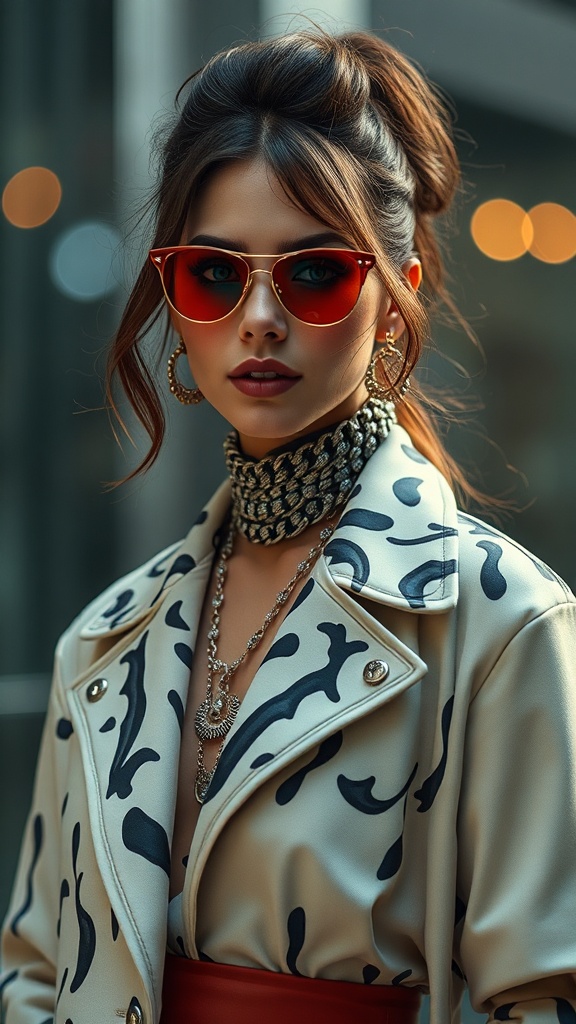
Innovative materials like regenerated cashmere, reclaimed leathers, and plant-based or lab-grown alternatives are being used without sacrificing finish or feel.
– Couture tailoring and quiet luxury: Precision tailoring, superior fabrics, and minimalist silhouettes signal understated wealth. Clean lines, impeccable fits, and subtle branding remain essential investment traits for timeless wardrobes.
– Elevated streetwear and luxury athleisure: Sneakers, technical outerwear, and logo-accented accessories continue to influence runway and red-carpet looks. Luxury houses collaborate with streetwear labels to translate performance-driven details into high-fashion contexts.
– Accessories as investment pieces: Bags, watches, fine jewelry, and artisanal footwear are presented as long-term assets.
Limited-edition drops and vintage-inspired designs keep desirability high on the secondary market.
– Gender-fluid design: Boundaries between menswear and womenswear are blurring. Designers are embracing adaptable silhouettes, shared tailoring, and neutral palettes that prioritize fit and comfort over strict gender codes.
– Tech-infused fashion: Augmented reality try-ons, virtual showrooms, and digital fashion collectibles create hybrid shopping experiences. Traceability tools such as blockchain-based provenance are increasingly used to authenticate luxury goods.
How to shop smart within luxury trends
– Focus on craftsmanship: Prioritize items with impeccable construction and timeless appeal. A well-made coat or tailored blazer delivers more value than a trend-driven fast purchase.
– Mix high and low: Combine a few standout luxury pieces with thoughtfully chosen contemporary items to create balanced, personal looks without overspending.
– Consider circular options: Explore certified pre-owned platforms and rental services for special occasions or to try coveted pieces risk-free.
– Invest in classics, but experiment selectively: Keep a core wardrobe of neutrals and classic shapes, and layer in seasonal accessories or statement pieces to refresh your style.
– Care and repair: Use brand repair services or trusted local artisans to extend the life of luxury items—this sustains resale value and aligns with sustainable practices.
Why these trends matter
High-end fashion is adapting to a market that values authenticity, sustainability, and experience. The interplay between artisanal heritage and modern technology gives luxury both emotional and practical appeal, while circular business models and material innovation respond to consumer demand for responsibility. For style-minded shoppers, success means balancing investment-worthy staples with thoughtful experimentation—selecting pieces that feel personal, last, and retain value.
Whether refining a signature look or exploring new directions, keeping an eye on these themes helps you build a wardrobe that looks good and aligns with evolving standards of luxury and responsibility.