The Fashion Designer’s Guide to Excellence: Fit, Materials, Storytelling & Sustainable Production
Fashion design excellence blends aesthetic vision with technical mastery, ethical choices, and smart business sense. Designers who achieve lasting impact don’t rely on fleeting trends; they build garments and collections that demonstrate exceptional fit, thoughtful materials, precise construction, and a clear narrative. The result is work that resonates with customers, critics, and collaborators alike. The […]
Fashion design excellence blends aesthetic vision with technical mastery, ethical choices, and smart business sense. Designers who achieve lasting impact don’t rely on fleeting trends; they build garments and collections that demonstrate exceptional fit, thoughtful materials, precise construction, and a clear narrative. The result is work that resonates with customers, critics, and collaborators alike.
The pillars of fashion design excellence
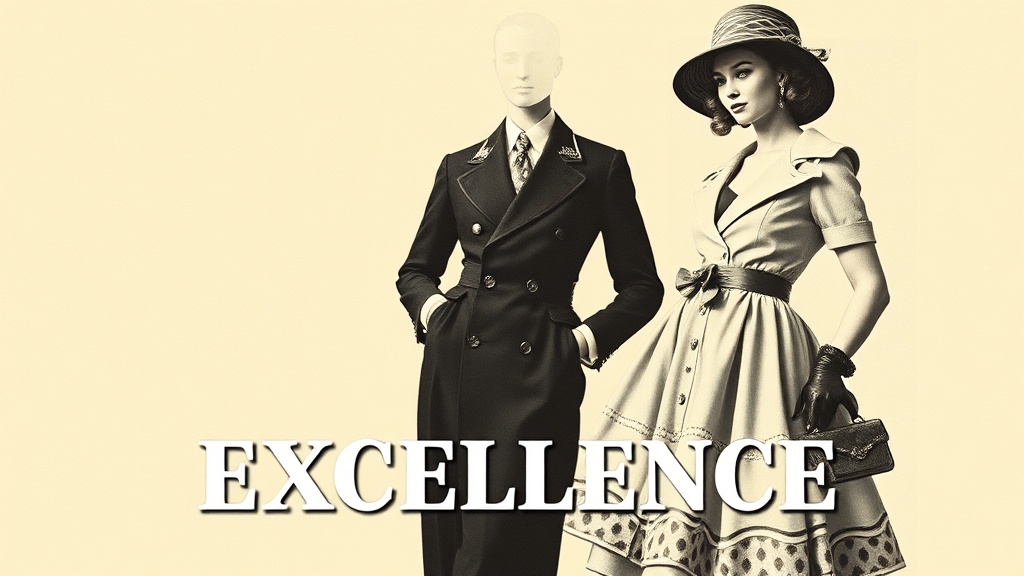
– Mastery of craft: Strong patternmaking, tailoring, and finishing separate standout designs from good ideas.
Precision in grain, seam allowance, and grading ensures garments hang and move as intended. Investing time in toile iterations and fit sessions reduces costly errors in production.
– Material intelligence: Knowledge of fibers, weaves, and finishes shapes every design decision. Sustainable materials and innovative textiles can elevate both functionality and story. Sourcing small-quantity, high-quality fabrics or working with mills to develop custom textile solutions signals commitment to craft and longevity.
– Cohesive storytelling: A compelling creative narrative ties silhouette, color palette, and textile choice into a memorable collection. Moodboards, lookbooks, and curated runway sequencing help buyers and consumers understand the intent behind each piece.
Consistent storytelling strengthens brand identity and customer loyalty.
– Responsible production: Ethical sourcing, transparent supply chains, and durable construction are central to modern excellence. Seasonless thinking, modular designs, and repair-friendly construction extend garment life and align with consumer demand for mindful purchases.
– Innovation and technology: Digital tools accelerate development without compromising creativity. 3D prototyping, virtual try-ons, and advanced CAD help iterate faster and reduce waste.
Smart textiles and subtle wearable tech can add function without overpowering aesthetics when used thoughtfully.
Practical steps designers can implement
– Prioritize fit: Start with a core size block that reflects your customer’s body types, then refine with systematic fittings.
Well-fitting garments create immediate perceived value.
– Limit and refine: Rather than chasing breadth, focus on a tight edit of signature pieces executed exceptionally well. A concise collection with standout items often performs better than a sprawling lineup of mediocre pieces.
– Build relationships with suppliers: Long-term partnerships with mills, ateliers, and cutters yield better lead times, material consistency, and collaboration opportunities for exclusive fabrics or finishes.
– Prototype responsibly: Use digital mockups for early visualization and reserve physical prototypes for critical fit and fabric validation. This hybrid approach reduces waste and speeds development.
– Communicate transparency: Share behind-the-scenes content about craftsmanship, material origins, and care instructions.
Educated customers are more likely to invest in premium pieces and to care for them properly.
Design excellence in the marketplace
Presentation matters as much as product. Thoughtful photography, clear sizing information, and honest product descriptions reduce returns and increase satisfaction. Retail strategies that combine limited-edition drops with timeless wardrobe staples allow brands to maintain relevancy while protecting margins.
Collaboration and continual learning
Collaborate across disciplines—textile engineers, craftsmen, stylists, and marketers all contribute to a superior result. Seek feedback from wear-testers and adapt based on real-world use. Excellence is iterative: each collection refines the previous one.
Achieving fashion design excellence is less about following trends and more about committing to craft, clarity, and conscience. Designers who balance technique, storytelling, sustainability, and strategic presentation create work that endures and delights. Start with a focused set of priorities—fit, material, and narrative—and let innovation and ethical choices amplify the impact.