Shoppable Fashion Week: SEO, Street Style & Sustainability
Fashion Week coverage has moved far beyond runway photos and show schedules. Today it’s a 360-degree media moment where fashion houses, publishers, influencers, and platforms compete for attention through live streams, short-form video, shoppable assets, and storytelling that ties design to culture and values. What audiences expectAudiences want immediacy and context. Quick-hit content like reels […]
Fashion Week coverage has moved far beyond runway photos and show schedules.
Today it’s a 360-degree media moment where fashion houses, publishers, influencers, and platforms compete for attention through live streams, short-form video, shoppable assets, and storytelling that ties design to culture and values.
What audiences expect
Audiences want immediacy and context.
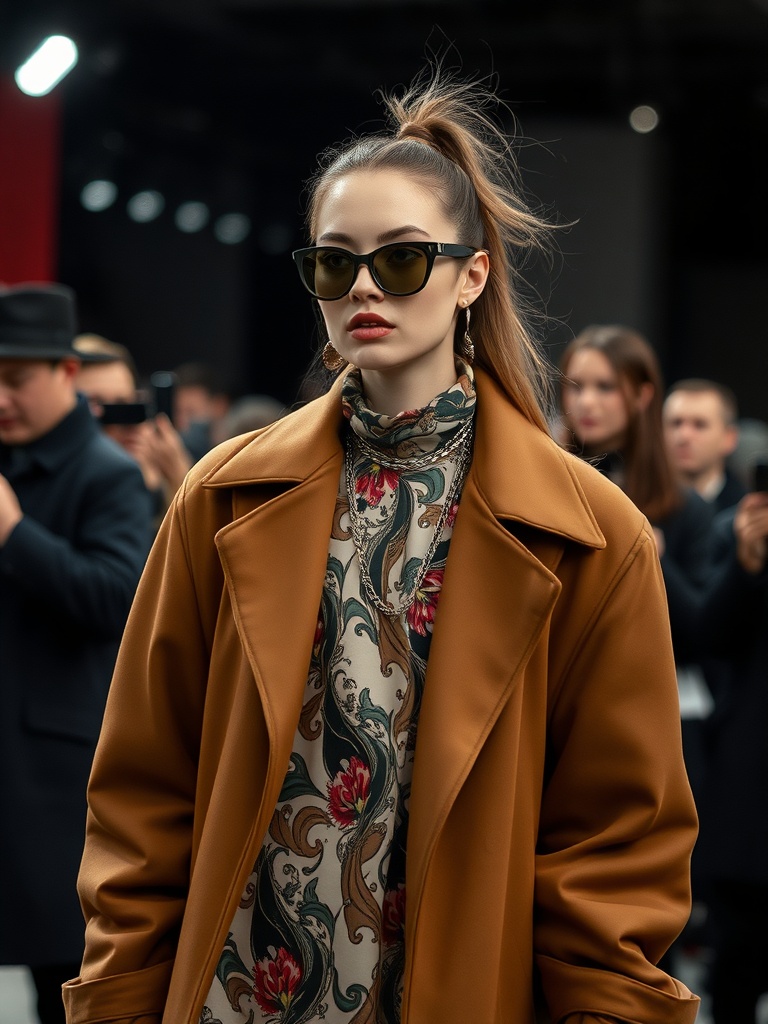
Quick-hit content like reels and TikTok clips capture attention, while long-form interviews and backstage films build brand depth. Street style remains a traffic driver—authentic, highly shareable images that spark outfit discovery and click-throughs to product pages.
Sustainability credentials, diversity in casting, and the cultural influences behind collections also attract media coverage and consumer engagement.
How brands and media should approach coverage
– Prioritize multi-format output: shoot short vertical videos alongside high-res photos and record designer conversations.
Repurpose clips into social ads, email snippets, and website hero content.
– Make shows shoppable: integrate product tags, shoppable videos, and direct links from social posts to reduce friction from discovery to purchase.
– Tell sustainable stories: highlight materials, supply-chain transparency, repair programs, and resale strategies. Concrete details outperform vague sustainability claims.
– Elevate diversity narratives: showcase inclusive casting, adaptive designs, and size-range availability. Presenting diverse talent and perspectives resonates with modern audiences and press alike.
– Lean into experiential: hybrid events, pop-ups, and digital front rows expand reach beyond traditional attendees.
Offer exclusive virtual backstage access or AR try-ons to deepen engagement.
SEO and editorial tactics for maximum visibility
– Craft headline hooks that answer search intent: think beyond “runway” to phrases like “how to wear” or “best street style looks.” Use city or show-specific modifiers for local discovery.
– Optimize image assets: name files with descriptive keywords, add rich alt text, and compress images for fast loading.
Fashion content lives or dies by page speed on mobile.
– Use structured data: implement product and article schema so collections, prices, and show recaps surface in search results and rich snippets.
– Write evergreen angles: focus on trends, styling tips, and sustainability narratives that remain relevant after the spotlight fades.
Update trend pieces with new links or images rather than republishing identical content.
– Leverage social-first SEO: optimize captions and hashtags for platform search, and pin core content to profiles to boost discovery.
Street style and influencer strategies
Street style photographers should capture both full looks and detail shots—textures, accessories, and footwear—to fuel commerce links. Influencers and editors can benefit from micro-collabs: short endorsement reels tied to a specific product page, affiliate links, or limited-time capsule drops.
Authenticity matters: audiences respond better to real styling advice than overt product placements.
Measuring success
Track a blend of vanity and conversion metrics: engagement rates, watch time, and social shares indicate cultural impact, while click-throughs, shoppable conversions, and time on page show commercial performance.
Use UTM tags and product-level tracking to map content to sales.
Fashion Week coverage is now an ecosystem that blends showmanship with commerce and values-driven storytelling. Brands and publishers that combine speed with substantive, optimized content will capture attention during the runway surge and keep relevance long after the last look exits the catwalk.