Quiet Luxury vs. Bold Style: How High-End Fashion Is Balancing Restraint and Personality
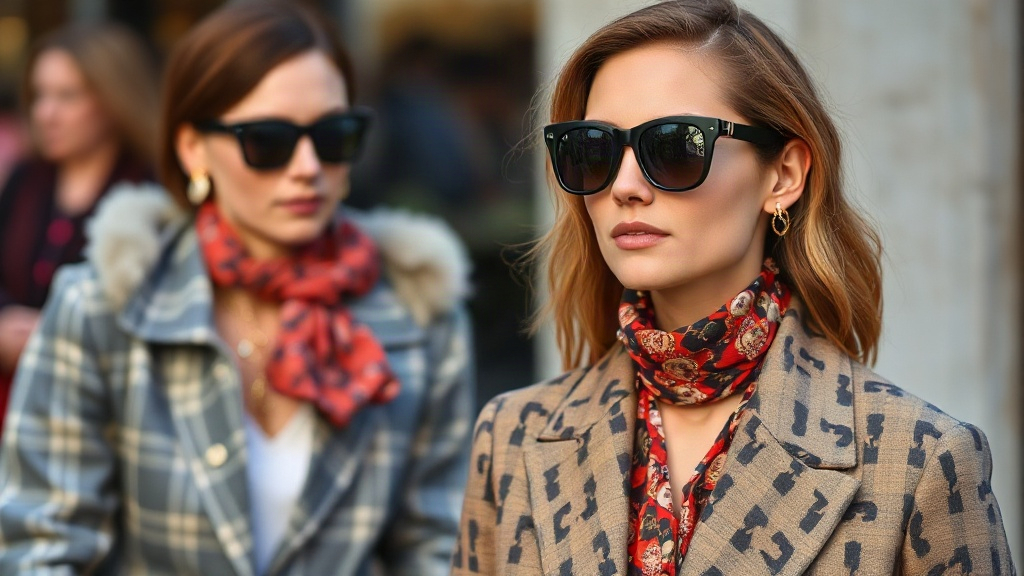
High-end fashion is in an interesting place right now. The industry is pulled between two instincts: the pull toward restraint and the appetite for personality, drama and visible craft. Recent coverage, from seasonal trend roundups to debates over what "luxury" even looks like, suggests that the most compelling looks sit somewhere between the two.
The Quiet Luxury Debate Isn't Over
For a few seasons, understated dressing dominated the conversation: neutral palettes, impeccable tailoring, logo-free cashmere. Lately, though, the backlash has grown louder. Some commentators argue that the aesthetic has become performative, a status signal dressed up as modesty. When a beige knit costs as much as a monthly rent and everyone knows it, the "quiet" part starts to feel like a loud statement.
That critique has real merit, but it misses what made the look appealing in the first place. Quality fabrics, considered cuts and longevity are not going out of style. What is changing is how people wear them. Instead of head-to-toe restraint, shoppers are now pairing a refined wool coat with a bold bag, a sculptural boot or a rich jewel tone. The foundation stays elevated, but the styling gets more individual.
What the Autumn and Winter Runways Are Telling Us
Seasonal trend reports from the major fashion publications point toward a wardrobe built on texture and depth. Think substantial outerwear, tactile materials such as suede, shearling, brushed wool and leather, and silhouettes with a sense of structure. Color is warming up too, with deep browns, burgundy, forest green and chocolate tones standing in for stark minimalism.
The common thread is tactility. After years of sleek, polished surfaces, designers are leaning into pieces that look as good up close as they do from across the room. That suits a luxury customer who is increasingly informed about construction, fabric origin and fit, and who is more likely to invest in one great coat than five forgettable ones.
The High Street Has Learned the Language of Luxury
One of the most notable shifts is how convincingly accessible brands now borrow the codes of high-end fashion. Weekly edits of "expensive-looking" high-street finds have become a staple of fashion media, and they reflect a real change in shopping behavior. Readers want the visual signals of luxury, such as clean lines, fluid drape, good proportions and a restrained palette, without the designer price tag.
For luxury houses, this creates both pressure and opportunity. When a convincing lookalike is a few clicks away, heritage, craftsmanship and exclusivity matter more than ever. The brands that thrive are the ones that offer something a copy cannot: archival storytelling, artisanal detail, bespoke services and a sense of occasion in the buying experience.
How Trends Travel Has Changed
It has been about two decades since *The Devil Wears Prada* illustrated, in one famously cutting monologue, how a runway idea trickles down into the bargain bin. The basic mechanics still hold, but the timeline has collapsed. A look can now move from runway to social feed to mass-market rack in a matter of weeks, and micro-trends rise and burn out just as fast.
In response, a growing number of luxury consumers are deliberately slowing down. They are building capsule wardrobes, shopping the resale market, and choosing pieces with a clear point of view rather than chasing every viral moment. Pre-owned designer platforms continue to grow because they reward exactly this mindset: buy well, wear often, and let the piece hold its value.
How to Wear the Moment
A few practical principles keep the current mood within reach:
- Anchor with quality basics. A well-cut coat, tailored trousers and a quality knit never date. - Add one expressive element. A rich color, an unexpected texture or a statement accessory keeps an outfit from feeling like a uniform. - Prioritize fit above all. Tailoring is often what separates an expensive-looking outfit from an expensive one. - Mix price points freely. Today's most stylish wardrobes blend investment pieces with smart high-street finds.
The real luxury signal today is not a logo or a label. It is confidence, coherence and clothes that feel chosen rather than copied.