Mastering the Art of Fashion Design: Creativity, Market Insight and Technical Excellence
Fashion design is more than just creating clothing; it’s an art form that requires a blend of creativity, technical skills, and an understanding of market trends. Excellence in fashion design is achieved when designers are able to meld these facets into cohesive, innovative, and appealing designs that not only catch the eye but capture the […]
Fashion design is more than just creating clothing; it’s an art form that requires a blend of creativity, technical skills, and an understanding of market trends.
Excellence in fashion design is achieved when designers are able to meld these facets into cohesive, innovative, and appealing designs that not only catch the eye but capture the spirit of the times.
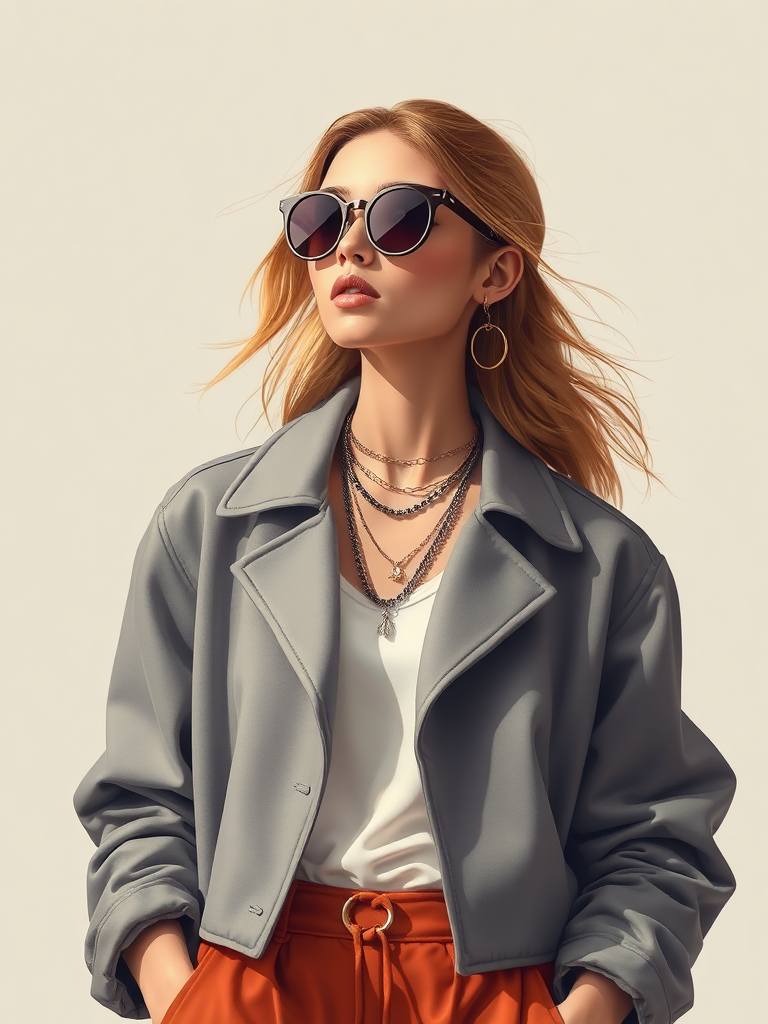
Unleashing Creativity
Creativity is the lifeblood of fashion design. It’s the force that drives designers to break boundaries and set trends. This is often achieved by drawing inspiration from a wide range of sources, including art, music, culture, and the natural world. However, creativity is not just about creating something new; it’s about reinterpreting the familiar in fresh and exciting ways.
Understanding the Market
Despite the importance of creativity, fashion design is not solely an artistic pursuit. It’s a business, and as such, designers must have a firm grasp of market trends. This involves staying abreast of what’s currently popular, as well as predicting future trends.
It also entails understanding what consumers want, both in terms of aesthetics and functionality.
Designing for the Customer
Equally crucial is the need to design for the customer. This means considering not only what looks good but also what’s wearable and comfortable.
It involves a deep understanding of body shapes, sizes, and proportions, as well as various types of fabrics and how they behave on the human form. Moreover, it requires an understanding of the contexts in which the clothing will be worn – the social, cultural, and physical environments.
Technical Aptitude
Fashion design also requires a high degree of technical skill. From the initial sketching of designs to the selection of fabrics, and from pattern making to the final stitching, each step in the process demands precision and attention to detail. Knowledge of various sewing techniques, as well as the ability to manipulate different materials, is vital to creating a quality garment.
Sustainability in Fashion
Today, sustainability is a significant concern in the world of fashion.
Consumers are increasingly demanding products that are ethically made and have minimal environmental impact. Consequently, designers are being urged to consider the full lifecycle of their products, from sourcing and production to transportation and disposal. This shift towards sustainable fashion is not just a trend, but a necessity, and designers who can innovate in this area are poised to lead the industry.
Maintaining Brand Identity
Lastly, maintaining a strong brand identity is a critical element of fashion design excellence. Each design should reflect the unique ethos and aesthetic of the brand. Consistency in style, quality, and vision helps to build a loyal customer base and differentiates the brand in a highly competitive market.
Fashion design is a complex, multifaceted discipline. It demands a blend of creativity, technical prowess, and business acumen. However, when all these elements come together, the result is more than just clothing; it’s a form of self-expression that reflects and shapes our society. As we continue to evolve, so too will the art and science of fashion design, bringing us new innovations and trends to anticipate.