Mastering Fashion Design: A Guide to Creative Storytelling, Technical Craftsmanship, and Sustainable Materials
Excellence in fashion design is the result of a rare balance: visionary creativity anchored by technical mastery and thoughtful responsibility. Designers who stand out combine strong concept development with precise construction, a deep knowledge of materials, and an awareness of social and environmental impact. These pillars create garments that are beautiful, wearable, and meaningful. Concept […]
Excellence in fashion design is the result of a rare balance: visionary creativity anchored by technical mastery and thoughtful responsibility. Designers who stand out combine strong concept development with precise construction, a deep knowledge of materials, and an awareness of social and environmental impact. These pillars create garments that are beautiful, wearable, and meaningful.
Concept and storytelling
A compelling idea gives a collection coherence and emotional resonance. Start with clear research—mood boards, cultural references, archival studies, and street observation—to build a narrative that informs silhouette, color, and fabric choice. Storytelling should be visible in every detail: trim, stitch choice, lining color, even hangtags. Consumers connect with clothing that carries an intelligible story and a consistent brand voice.
Material intelligence
Material selection separates good design from great design. Familiarity with natural fibers, engineered textiles, recycled fabrics, and bio-based alternatives allows designers to match fabric performance to intended use. Consider drape, hand, tensile strength, and how fabrics behave after washing.
Emphasize suppliers with transparent sourcing and certifications. Small-scale swatch testing and wear trials catch issues early and protect brand credibility.
Technical craftsmanship
Patternmaking, grading, and fit are non-negotiable.
Excellence requires mastery of block development, dart manipulation, and zero-waste cutting techniques where appropriate. Investing time in multiple fittings and using experienced fit models prevents common pitfalls that undermine even the most visionary concepts. Finishings—topstitching, seam sealing, button placement—signal quality to consumers and industry buyers alike.
Sustainability and ethics
Sustainable design practices are integral to long-term success.
Prioritize circularity through modular design, repairability, and take-back programs. Minimize waste with strategic pattern layout and consider alternative production methods like made-to-order to avoid overstock.
Transparency in supply chains and fair labor practices builds trust and protects brand reputation.
Innovation and technology
Blending craft with technology elevates design potential. Digital tools for 3D prototyping and virtual sampling accelerate iterations and reduce material waste. Advanced techniques like digital printing, laser cutting, and 3D-printed components open fresh possibilities for texture and structure.
Wearable tech and smart textiles, when used thoughtfully, enhance functionality without compromising aesthetics.
Inclusivity and fit diversity
Design excellence embraces diverse body types and needs.
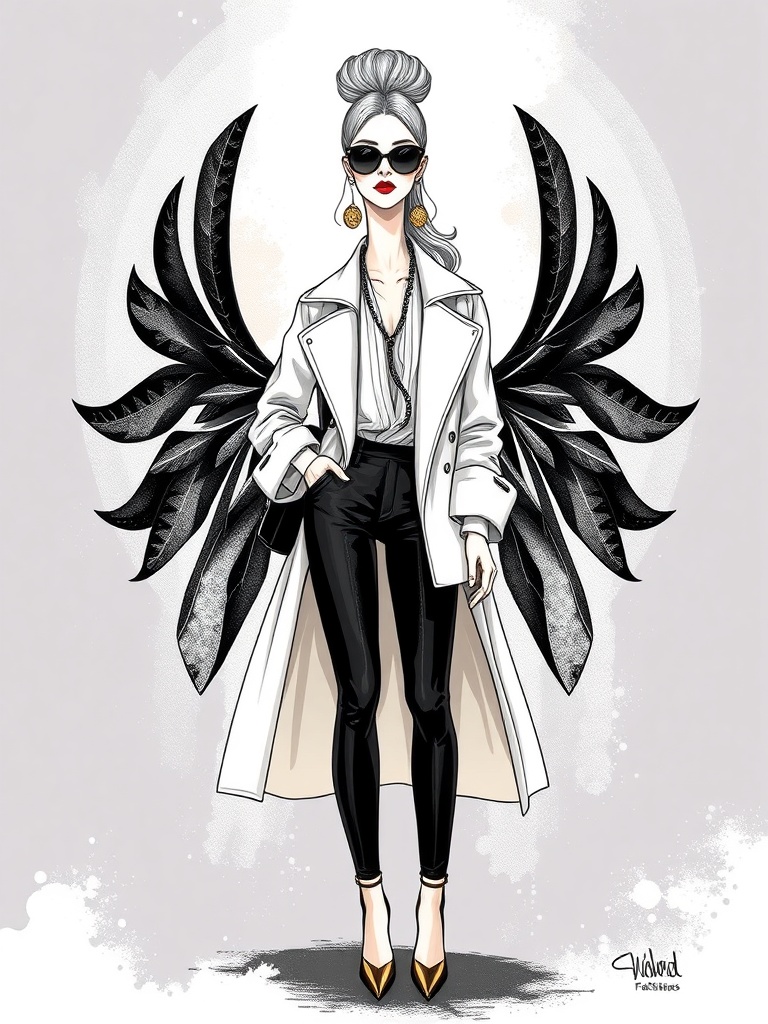
Inclusive size grading, adaptive features, and adjustable design elements expand market reach and reflect modern consumer expectations. Anticipate real-world movement and varied body proportions during the prototyping phase to ensure garments flatter a wide range of customers.
Presentation and market strategy
How a collection is presented affects perception. High-quality lookbooks, consistent social storytelling, and polished showrooms or digital showings translate design excellence into commercial success. Collaborations with artisans, technologists, and photographers amplify craft and widen audience exposure. Pricing strategy should align perceived value with production costs and sustainability investments.
Practical actions for designers
– Begin each season with focused research and a three-line concept statement.
– Maintain a swatch library and log fabric performance over time.
– Schedule multiple fit sessions and document alterations for repeatable patterns.
– Use virtual sampling to test proportion before physical production.
– Build supplier relationships emphasizing transparency and ethical practices.
– Create a clear sustainability statement and measurable goals.
Mastery in fashion design comes from constant iteration: balancing creative risk with disciplined technical standards. Designers who practice intentional storytelling, material intelligence, ethical production, and clear presentation will create work that resonates visually, performs practically, and endures commercially. Excellence is both craft and conscience—a continual pursuit that shapes the future of fashion.