Luxury Fashion Trends: Sustainability, Craft, Quiet Luxury, Maximalism & Phygital Innovation
High-end fashion is evolving along several clear lines: greater emphasis on sustainability and craft, a divide between quiet luxury and expressive maximalism, and rapid integration of digital experiences. These currents are reshaping how luxury is designed, bought, and worn—offering ways to invest in pieces that look modern while retaining long-term value. Sustainable luxury and circularitySustainability […]
High-end fashion is evolving along several clear lines: greater emphasis on sustainability and craft, a divide between quiet luxury and expressive maximalism, and rapid integration of digital experiences. These currents are reshaping how luxury is designed, bought, and worn—offering ways to invest in pieces that look modern while retaining long-term value.
Sustainable luxury and circularity
Sustainability has moved from niche to a mainstream expectation.
High-end labels are prioritizing traceable supply chains, low-impact dyes, and alternative leathers made from plant-based or lab-grown materials. Circular models—resale platforms, rental services, and buy-back programs—are now integral to luxury strategy, reducing waste while keeping higher price points accessible through secondhand markets. When shopping, look for provenance information, repair services, and brands offering certified materials to ensure true sustainability rather than greenwashing.
Craftsmanship and heritage reinterpreted
Craft and artisanal techniques are regaining prominence as consumers seek pieces with stories and longevity. Expect to see reworked heritage techniques applied to modern silhouettes—hand-stitched finishes, intricate embroidery, and bespoke tailoring. This emphasis on craft supports the narrative of investment dressing: clothes that are meant to last, be repaired, and become wardrobe staples.
Quiet luxury vs. maximalism
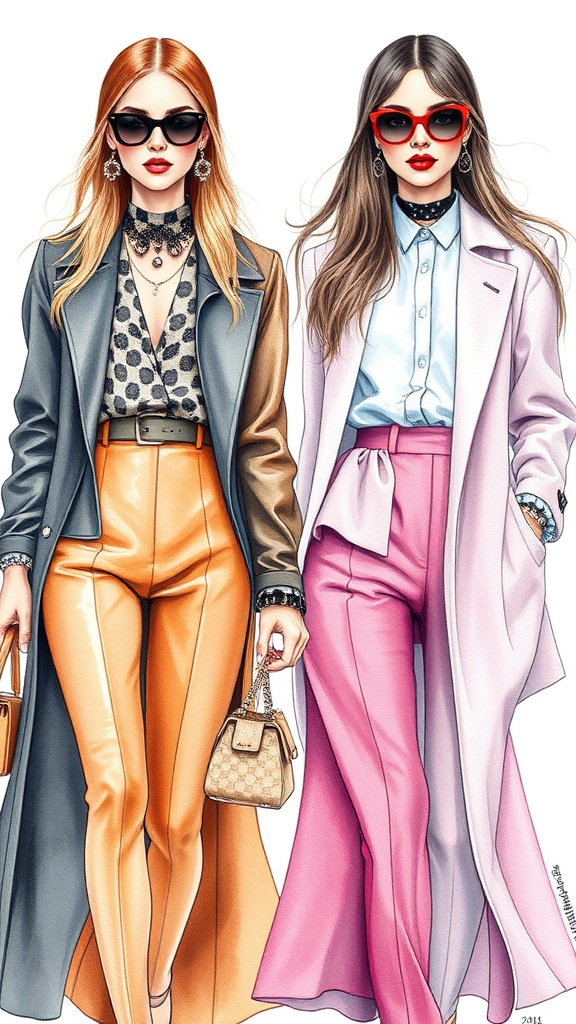
Two opposing aesthetics are thriving simultaneously. Quiet luxury centers on refined minimalism—muted palettes, impeccable tailoring, and discreet logos—appealing to those who favor understated refinement. On the other end, maximalism celebrates bold prints, vivid color contrasts, and sculptural shapes that make a statement. Both approaches encourage quality over quantity, whether through a single striking piece or a curated capsule of timeless staples.
Streetwear meets couture
The fusion of streetwear and luxury continues to influence silhouettes and accessories. Elevated sportswear, couture-level sneakers, and hybrid garments that mix technical fabrics with traditional suiting are common. This crossover gives high-end fashion a relaxed edge without sacrificing polish—think engineered performance fabrics used in trench coats or tailored separates with athletic detailing.
Phygital fashion and digital experiences
Digital innovation is reshaping the luxury customer journey. Augmented reality try-ons, virtual showrooms, and limited-edition “phygital” drops that combine physical garments with digital counterparts are expanding how collectors engage with fashion. These experiences enhance personalization and exclusivity while opening new resale and authentication tools, helping buyers verify provenance in the digital age.
Accessories and the power of detail
Accessories remain pivotal in signaling luxury: sculptural boots, structured handbags, and statement jewelry are key. The trend toward bold proportions sits alongside micro-accessories—both can upgrade a minimalist outfit or complement maximalist layering. Materials and finishing, such as hand-painted hardware or recycled metals, are just as critical as silhouette.
How to adapt these trends
– Invest in tailoring: a well-cut blazer or coat elevates any wardrobe and endures shifting trends.
– Prioritize versatility: choose pieces that can be dressed up or down across seasons.
– Embrace resale and rental for trend-driven items to minimize waste and cost.
– Mix quiet and statement pieces: pair an understated coat with a sculptural bag or bold shoe.
– Check brand transparency: prefer labels that share sourcing, repair policies, and lifecycle initiatives.
High-end fashion is balancing heritage with innovation, encouraging smarter consumption and richer personal style.
The most resilient approach is to focus on quality, provenance, and purposeful design—choices that look current now and remain relevant for seasons to come.