Luxury Fashion Trends 2025: Sustainability, Craftsmanship, Tech & Personalization Shaping High‑End Style
High-End Fashion Trends Shaping Luxury Style Today Luxury fashion continues to evolve rapidly, blending timeless craftsmanship with forward-thinking innovation. Consumers and designers are redefining what “high-end” means, and several clear trends are shaping the direction of luxury wardrobes and the business of fashion. Sustainable and Circular LuxurySustainability has moved from a niche concern to a […]
High-End Fashion Trends Shaping Luxury Style Today
Luxury fashion continues to evolve rapidly, blending timeless craftsmanship with forward-thinking innovation. Consumers and designers are redefining what “high-end” means, and several clear trends are shaping the direction of luxury wardrobes and the business of fashion.
Sustainable and Circular Luxury
Sustainability has moved from a niche concern to a defining attribute of desirability.
High-end brands are investing in traceable supply chains, regenerative materials, and closed-loop production—think recycled metals for hardware, regenerated cashmere, and bio-based leather alternatives. Circular strategies such as buy-back programs, certified repair services, and luxury resale platforms give premium pieces longer lives while protecting brand equity.
Couture Craftsmanship and Artisanal Detailing
There’s renewed appreciation for handwork, bespoke finishing, and small-batch ateliers. Couture-level techniques—hand embroidery, intricate tailoring, and artisanal dyeing—are being showcased as differentiators. Consumers drawn to authenticity value provenance and stories, so highlighting the human skill behind a garment elevates perceived worth.
Gender-Fluid and Inclusive Design
Luxury fashion is embracing fluid silhouettes and inclusive sizing. Designers are moving away from rigid binary codes, trading gendered tropes for adaptable tailoring and versatile separates. This broadens audience reach and aligns high-end labels with progressive cultural values that matter to modern luxury buyers.
Tech-Infused Garments and Digital Fashion
Technical fabrics and wearable features are integrating into luxury pieces without sacrificing elegance. High-performance tailoring, climate-adaptive textiles, and discreet smart features enhance comfort and function. Meanwhile, digital garments and virtual fashion experiences—custom avatars, NFT-linked accessories, and virtual try-ons—are opening new revenue streams and ways to engage collectors.
Resale, Rental, and Experiential Retail
Premium resale platforms and rental services have become mainstream paths to access luxury at different price points while maintaining brand aura. On the retail side, immersive boutiques and appointment-only showrooms offer curated experiences, blending hospitality with commerce to deepen customer relationships and justify premium pricing.
Statement Accessories and Mix-and-Match Styling
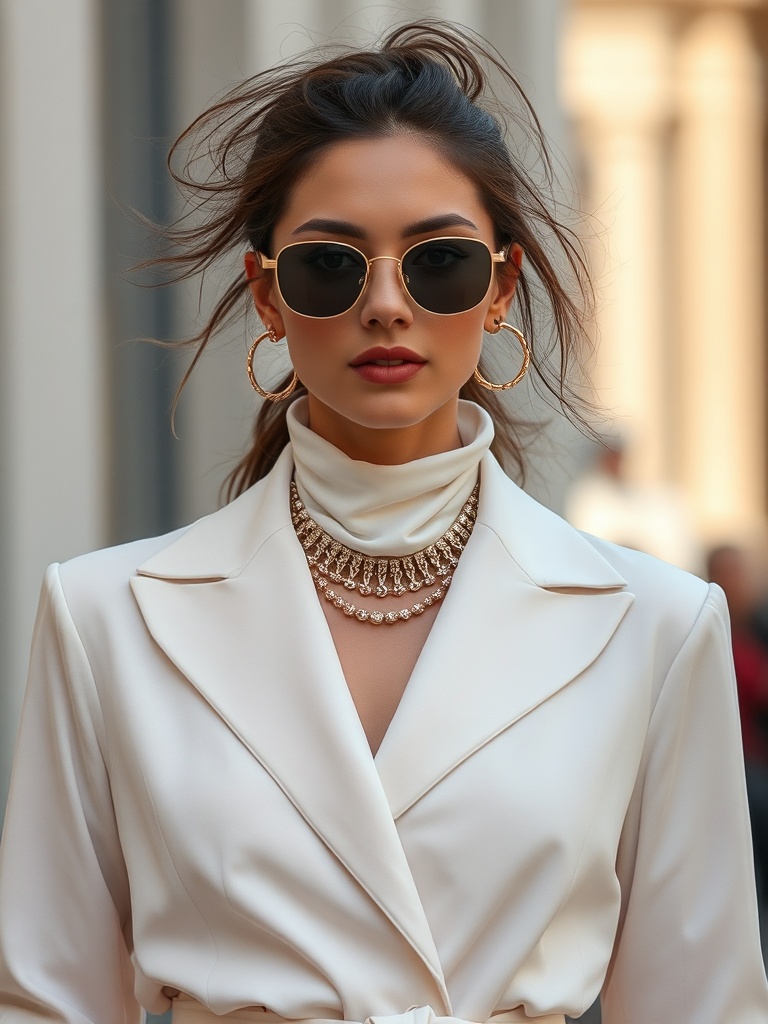
Accessories are commanding headlines: oversized jewelry, sculptural handbags, and hybrid footwear that blends formal and athletic elements.
Luxury consumers are layering unexpected pieces—pairing heirloom-inspired necklaces with technical outerwear or sneakers with tailored suiting—to create personal narratives. Accessories are now primary mood-setters for a look, not just finishing touches.
Personalization and Bespoke Services
Personalization remains a powerful differentiator. From bespoke tailoring to monogrammed hardware and in-store customization suites, high-end brands are offering experiences that reinforce exclusivity.
Data-driven personalization—based on purchase history and styling preferences—helps brands craft service-driven loyalty without compromising privacy expectations.
Material Innovation and Responsible Luxury
Beyond sustainability as a buzzword, material research is enabling responsible luxury that feels and performs like the real thing. Lab-grown gemstones, cruelty-free furs, and plant-based dyeing processes are increasingly acceptable to luxury clientele who demand both aesthetics and ethics.
What Luxury Brands and Shoppers Should Watch
Brands should balance heritage and innovation: preserve signature codes while experimenting with materials, digital channels, and service models. For shoppers, investing in craftsmanship, timeless silhouettes, and verified resale assets offers longer-term value. Prioritizing pieces that blend functionality, sustainability, and unique detailing is the most reliable way to curate a high-end wardrobe that stays relevant.
These trends reflect a luxury landscape that values story, sustainability, and sensory experience as much as aesthetics—shaping what it means to own and wear high-end fashion today.