Luxury Fashion Trends 2025: Sustainability, Craftsmanship, Resale & Digital Retail
High-end fashion is shifting from season-to-season spectacle to a subtler, value-driven language where quality, story, and experience matter most. Luxury houses are balancing heritage craftsmanship with modern expectations: sustainability, personalization, and tech-enabled experiences. For anyone who follows or invests in luxury style, these are the trends shaping what’s desirable right now. Sustainable luxury with provenanceLuxury […]
High-end fashion is shifting from season-to-season spectacle to a subtler, value-driven language where quality, story, and experience matter most. Luxury houses are balancing heritage craftsmanship with modern expectations: sustainability, personalization, and tech-enabled experiences. For anyone who follows or invests in luxury style, these are the trends shaping what’s desirable right now.
Sustainable luxury with provenance
Luxury consumers are demanding transparency about materials and supply chains.
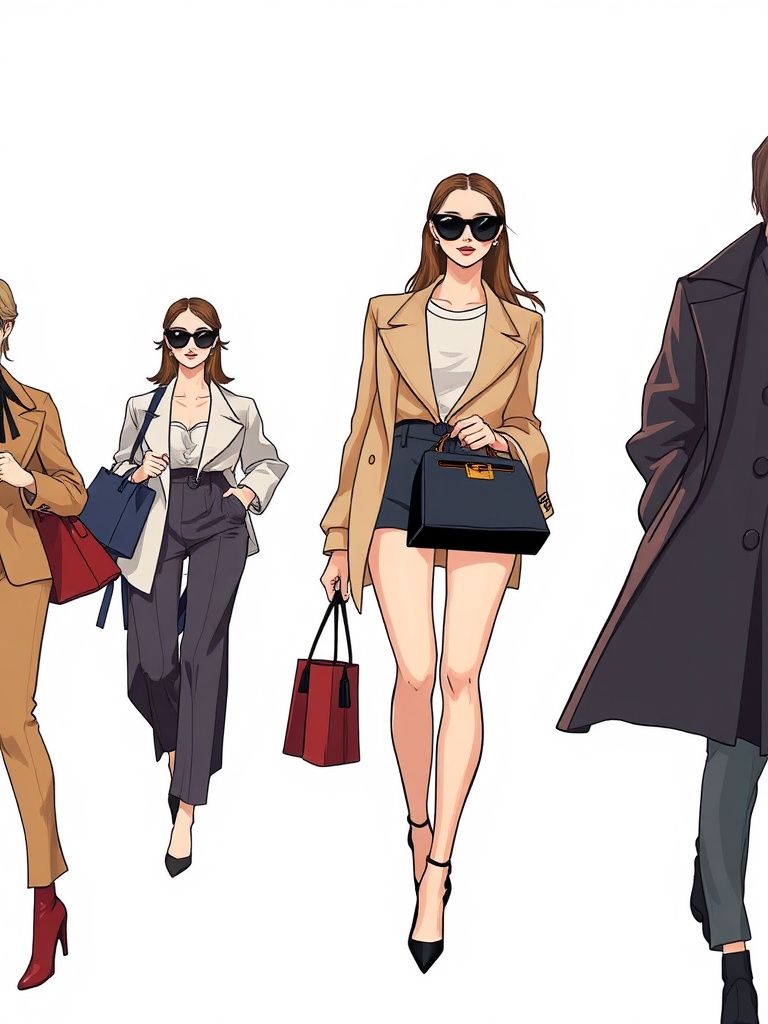
Brands that can document provenance, prioritize regenerative materials, and support circular models build stronger trust.
Look for pieces made with traceable leathers, certified natural fibers, or recycled metals—plus repair programs and lifetime services that extend garment life.
The most compelling buys now are those that combine impeccable finishing with a clear environmental story.
Resale, rental, and the rise of preloved investment
The secondary market has matured into a cornerstone of high-end fashion.
Designer handbags, rare sneakers, and archival couture hold value when authenticated and maintained.
Renting luxury for events or rotating designer pieces through subscription services provides access without long-term commitment. Treating high-end purchases as investments—shopping certified resale platforms or choosing boutique-managed rentals—adds flexibility and sustainability to a luxury wardrobe.
Craftsmanship and artisanal collaborations
Handmade details, limited-edition runs, and collaborations with independent artisans are defining modern luxury aesthetics. Consumers are drawn to artisanal techniques—hand-stitching, bespoke dyeing, and slow-made knitwear—that highlight human skill. Small-batch collections and atelier collaborations also create scarcity and narrative, making pieces feel personal and collectible.
Tailoring, proportion play, and gender-fluid silhouettes
Sharp tailoring remains a pillar, but designers are experimenting with proportion and fluidity. Oversized blazers, wide-legged trousers, and deconstructed suiting coexist with ultra-fitted silhouettes, allowing for tailored pieces that still feel contemporary. Gender-fluid collections continue to gain traction, offering adaptable wardrobes that emphasize cut and fabric over traditional gender codes.
Accessories as focal points
Accessories are becoming the statement-making element of luxury dressing. Sculptural jewelry, bold eyewear, and showpiece bags can transform minimalist outfits. Watchmaking and high-end sneakers continue to draw attention, blending heritage techniques with street-aware design.
Investing in a standout accessory often gives the highest sartorial return.
Digital fashion and immersive retail
High-end brands are experimenting with digital garments, virtual showrooms, and augmented reality try-ons to extend the customer experience beyond physical stores. Flagship stores remain important for tactile discovery, but digital touchpoints—personalized online styling, virtual appointments, and immersive storytelling—are now essential components of luxury retail.
Color, texture, and maximal details
After periods favoring minimalism, maximalist touches are back in measured ways: vibrant color blocking, mixed textures, and ornate embellishments. At the same time, tonal dressing and elevated neutrals remain a core language for those who prefer a quieter luxury. The key is balance—pair a statement piece with refined basics to keep looks polished.
How to adopt these trends
– Prioritize investment pieces with repair and resale value.
– Try rental or resale platforms to rotate styles without overbuying.
– Seek out brands with transparent supply chains and artisan partnerships.
– Invest in tailoring to modernize classic pieces.
– Use bold accessories to update an existing wardrobe.
Luxury today is less about conspicuous consumption and more about considered ownership: buying less but buying better, valuing stories and craftsmanship, and embracing flexible ways to enjoy designer pieces. Whether building a curated collection or refreshing a few statement items, these trends guide a thoughtful approach to high-end fashion that feels modern and enduring.