Luxury Fashion Trends 2025: Craftsmanship, Sustainability & Tech
High-end fashion is evolving beyond seasonal shows and logo-driven luxury. Today’s discerning buyers and designers are shaping an industry that blends heritage craftsmanship with tech-enabled experiences, sustainability, and a fresh take on identity. Here’s a look at the most influential directions shaping luxury style now. Sustainable luxury and circularityLuxury brands are redefining what “premium” means […]
High-end fashion is evolving beyond seasonal shows and logo-driven luxury. Today’s discerning buyers and designers are shaping an industry that blends heritage craftsmanship with tech-enabled experiences, sustainability, and a fresh take on identity.
Here’s a look at the most influential directions shaping luxury style now.
Sustainable luxury and circularity
Luxury brands are redefining what “premium” means by prioritizing materials and longevity. Consumers expect traceability—from regenerative fibres and low-impact dyes to transparent supply chains.
More houses are integrating repair services, lifetime guarantees, and take-back programs to extend a garment’s life. This shift makes sustainability not just an ethics play but a hallmark of craftsmanship and value retention.
Resale and the new secondhand market
High-end resale has graduated from niche to mainstream, turning pre-owned into a desirable category for collectors and everyday buyers alike. Authentication technologies, curated resale platforms, and brand-endorsed resale programs are making it easier to buy, sell, and invest in pieces. For collectors, the resale market offers access to archival or limited pieces once confined to insiders.
Artisanal craft and heritage revival
There’s renewed appetite for artisanal techniques—hand-stitched tailoring, intricate beading, and region-specific textile traditions. Luxury consumers are seeking stories and provenance; brands that spotlight skilled makers and workshops gain cultural capital. This appreciation for craft also fuels made-to-order and bespoke offerings that emphasize individuality over mass production.
The rise of quiet luxury and conspicuous craftsmanship
A swing toward understated elegance continues alongside a parallel interest in conspicuous craftsmanship. “Quiet luxury” focuses on impeccable cut, fine materials, and subtle branding, while more expressive looks celebrate visible expertise—hand-finished seams, experimental silhouettes, and signature construction details. Both serve a sophisticated shopper who values quality and intentionality.
Gender-fluid design and inclusive sizing
Luxury houses are increasingly experimenting with gender-neutral collections, fluid silhouettes, and broader sizing.
This is more than a trend—it’s a cultural recalibration that expands creative possibilities and makes luxury more accessible.
Design language is shifting to celebrate shape, texture, and movement rather than strict binaries.
Tech-infused couture and experiential retail
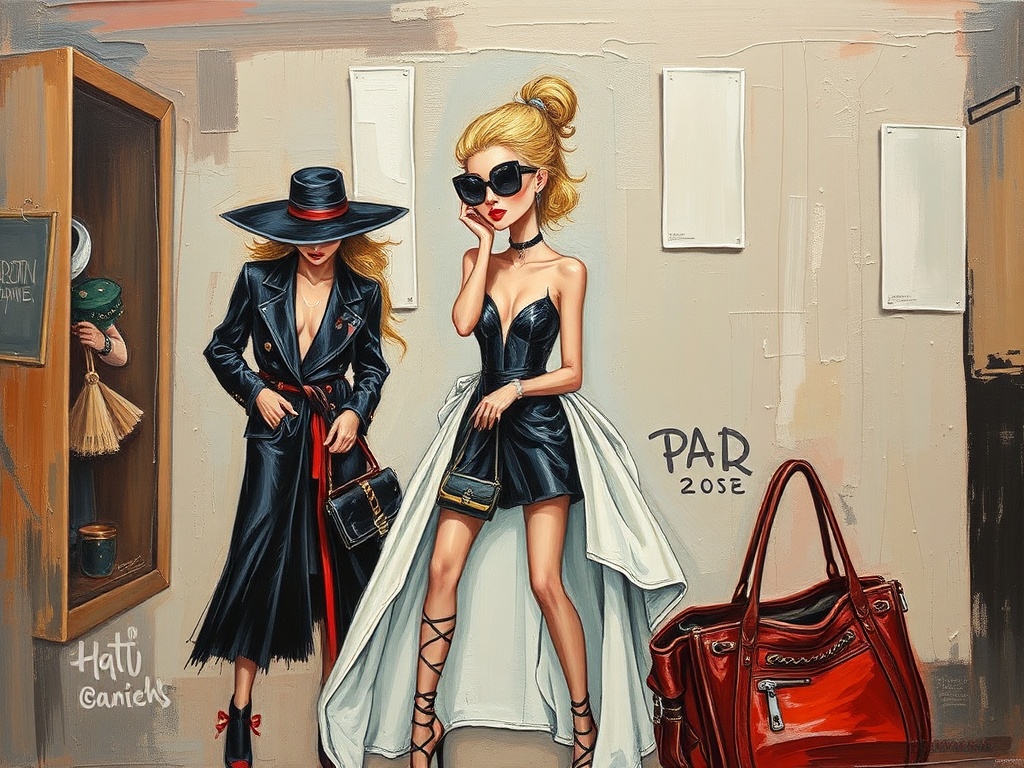
Technology is augmenting luxury in creative ways: virtual showrooms, augmented-reality try-ons, and digitally enabled customization are enhancing the customer journey.
At the same time, physical flagship stores are transforming into immersive spaces—think private salons, artist collaborations, and multisensory installations that fuse commerce with culture.
Collaborations and crossover culture
Strategic collaborations remain a powerful tool for refreshment and relevance.
High-low partnerships, artist capsule collections, and cross-industry projects (from automotive to hospitality) create unexpected narratives and broaden appeal. Limited drops and co-branded pieces build urgency while introducing new audiences to legacy labels.
Color, texture, and silhouette notes
Current palettes range from muted earth tones and sophisticated neutrals to striking jewel tones that punctuate minimalist wardrobes. Textural contrast—shearling with silk, structured tailoring with fluid draping—adds depth to modern luxury. Silhouettes are playing with proportion: oversized tailoring meets sculptural eveningwear, offering both comfort and statement-making presence.
What to watch for as a buyer or brand
– Invest in transparency: provenance and material sourcing are table stakes.
– Embrace circular strategies: resale, repair, and rental services increase lifetime value.
– Prioritize storytelling: highlight makers, techniques, and cultural context.
– Experiment with tech thoughtfully: enhance experience without losing tactile luxury.
– Design inclusively: broaden sizing and explore gender-fluid options to reach new customers.
Luxury fashion is less about ostentation and more about purposeful expression—pieces that carry meaning, function, and lasting appeal. The most successful labels will be those that marry impeccable craft with responsible practices and immersive experiences, creating wardrobes that feel both modern and timeless.