Luxury Fashion Reinvented: Craftsmanship, Sustainability and Digital Innovation
Luxury fashion brands are evolving beyond logo-heavy goods and seasonal runway shows. Today, success hinges on blending heritage craftsmanship with modern values: sustainability, digital innovation, and immersive experiences. Consumers expect authenticity, transparency, and products that signal both taste and responsible choices. Craftsmanship and heritage remain the foundationLuxury still draws its prestige from meticulous workmanship, rare […]
Luxury fashion brands are evolving beyond logo-heavy goods and seasonal runway shows.
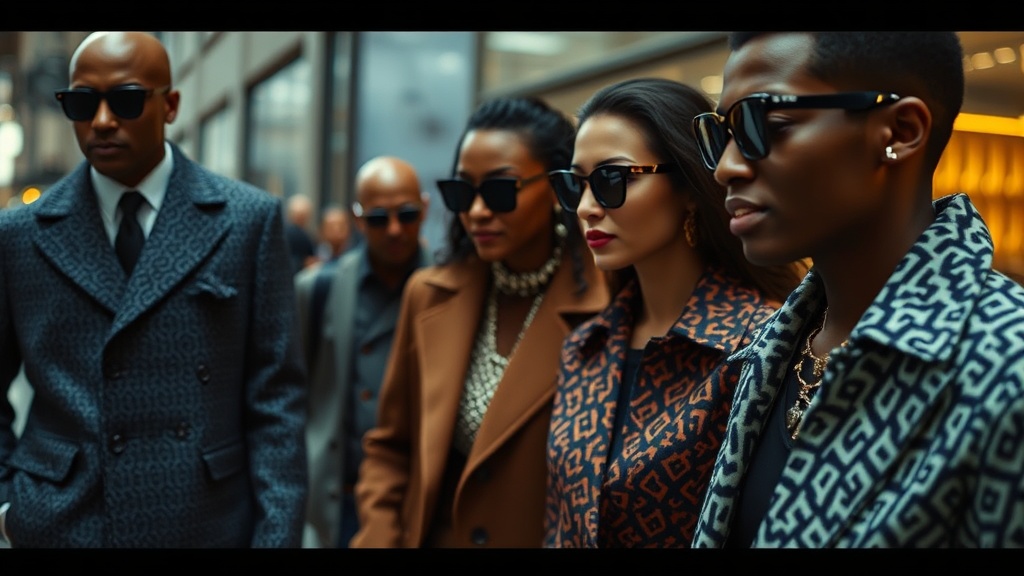
Today, success hinges on blending heritage craftsmanship with modern values: sustainability, digital innovation, and immersive experiences. Consumers expect authenticity, transparency, and products that signal both taste and responsible choices.
Craftsmanship and heritage remain the foundation
Luxury still draws its prestige from meticulous workmanship, rare materials, and deep brand stories.
Houses that maintain workshops, train artisans, and document provenance reinforce value far beyond a label. Highlighting artisanal techniques—hand-stitched seams, vegetable-tanned leathers, or traditional weaving—helps justify premium pricing and strengthens emotional connection with customers.
Sustainability and circular fashion reshape brand strategies
Sustainability is no longer optional.
Luxury brands are adopting circular strategies: repair programs, buy-back and resale initiatives, and design-for-durability principles. Using certified sustainable materials and publishing supply chain transparency reports can reduce risk and build trust.
Circular fashion initiatives also open new revenue streams—official resale platforms and authenticated pre-owned markets let brands capture value that would otherwise flow to third parties.
Resale, rental, and longevity
The secondary market is a strategic ally, not an adversary.
Luxury labels increasingly partner with resale marketplaces or launch in-house certified pre-owned channels to control authentication and margins. Rental services and subscription wardrobes introduce luxury to new demographics while emphasizing use over ownership. For consumers, these options extend the lifecycle of pieces and reduce environmental impact.
Digital innovation and authenticated ownership
Digital tools are reshaping discovery and purchase.
Augmented reality try-ons, virtual showrooms, and AI-powered personalization create seamless omnichannel journeys. Blockchain-based authentication and digital certificates help combat counterfeits, protect brand integrity, and add provenance to collectible pieces.
Limited digital collectibles and collaborations with digital artists offer new storytelling avenues and community engagement.
Collaborations and cultural relevance
Strategic collaborations—whether with streetwear designers, artists, or emerging labels—keep luxury relevant and culturally resonant.
Limited drops generate buzz and urgency, while thoughtful partnerships introduce new aesthetics and audiences without sacrificing brand DNA. Successful collaborations balance novelty with respect for heritage.
Experiential retail and service excellence
Physical retail is becoming an experience.
Flagship stores are curated environments offering personalized services, private appointments, bespoke ateliers, and events that foster loyalty. Staff expertise, seamless online-to-offline integration, and concierge-level service differentiate luxury from mass-market alternatives. Pop-ups and immersive installations drive discovery and social media visibility.
What consumers value now
Discerning shoppers expect:
– Authentic storytelling and visible craftsmanship
– Clear information on sourcing and sustainability practices
– Quality customer service and personalized experiences
– Options for resale, repair, and rental to extend value
– Verified authenticity through trusted channels
How brands can stay ahead
Prioritize long-term trust-building over short-term hype. Invest in traceable supply chains, support artisan communities, adopt circular business models, and experiment with digital formats that enhance—not replace—the tactile luxury experience. Maintain a coherent brand narrative while remaining agile enough to collaborate and innovate.
Whether choosing a classic piece or exploring contemporary drops, the best luxury fashion brands balance legacy and modernity. They offer products that feel timeless, operate transparently, and create meaningful connections that extend beyond a single purchase.