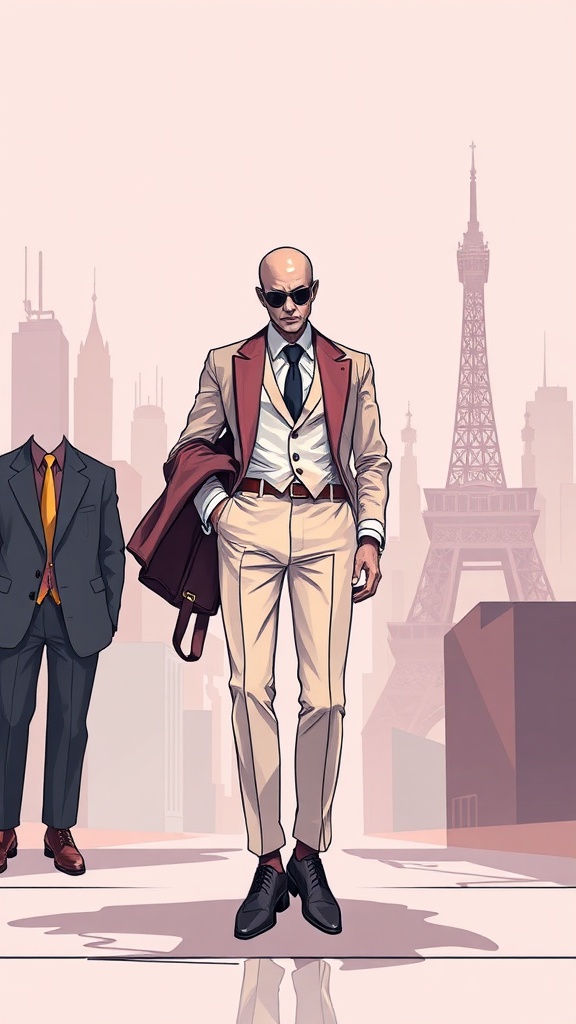
Luxury Fashion Redefined: Heritage, Sustainability & Digital Innovation
Luxury fashion brands are redefining what prestige means as consumer values shift and technology reshapes how pieces are discovered, bought, and valued. Long gone are the days when a label alone guaranteed desirability; today, heritage, sustainability, storytelling, and digital experience all play central roles in what makes a luxury house stand out. Heritage and craftsmanship […]
Luxury fashion brands are redefining what prestige means as consumer values shift and technology reshapes how pieces are discovered, bought, and valued. Long gone are the days when a label alone guaranteed desirability; today, heritage, sustainability, storytelling, and digital experience all play central roles in what makes a luxury house stand out.
Heritage and craftsmanship remain the backbone of high-end fashion. Iconic maisons leverage century-old techniques and artisanal ateliers to justify premium positioning.
Hand-stitched details, rare materials, and limited runs continue to create scarcity and emotional attachment. For many buyers, owning a piece from a brand with a documented lineage is about preserving a small piece of cultural history as much as it is about style.
Sustainability and transparency are no longer optional. Luxury consumers increasingly demand responsible sourcing, ethical production, and clear information about environmental impact. Brands that adopt circular approaches—repair services, take-back programs, and upcycling—build trust while extending product lifecycles. Certifications, transparent supply-chain mapping, and third-party audits are powerful differentiators for shoppers who want to align purchases with values.
Collaborations and cross-genre creativity fuel relevance.
When heritage houses team up with streetwear labels, artists, or tech companies, the result is often renewed cultural currency and media attention.
These partnerships allow legacy brands to tap into new audiences, while collaborative drops create the kind of hype that drives both resale values and brand desirability. Limited-edition collabs are effective tools for marrying craftsmanship with contemporary narratives.
The pre-owned and resale market is a major force in luxury. Consumers treat investment pieces differently now: demand for vintage handbags, watches, and couture remains strong because resale platforms validate authenticity and condition, making high-end items more accessible and sustainable.
Resale also feeds a circular economy where pieces can appreciate in value, encouraging careful stewardship by owners.
Digital innovation enhances discovery and personalization. Luxury houses are blending high-touch retail with high-tech solutions—virtual try-ons, 3D product visualization, immersive brand apps, and personalized recommendations create seamless omnichannel experiences. Concierge-level online services, limited virtual appointments, and private drops mirror the exclusivity of in-store interactions while meeting shoppers where they spend time.
Retail itself is evolving into an experiential domain. Flagship stores double as cultural hubs hosting exhibitions, pop-ups, and artisan demonstrations. Brands that curate in-person moments—private viewings, customization workshops, or bespoke fittings—offer emotional resonance that pure e-commerce can’t replicate. These experiences foster loyalty and justify premium pricing by delivering memorable, shareable moments.
What should buyers look for? Prioritize transparency: ask about material origins, repair options, and aftercare. Consider pre-owned marketplaces when seeking value or rarities. When purchasing directly, lean toward brands that balance heritage with innovation and demonstrate measurable commitments to social and environmental responsibility.
For brands, the pathway to enduring prestige blends respect for craft with a willingness to adapt. Embracing circularity, investing in authentic storytelling, and leveraging digital tools for personalized service are effective strategies to maintain desirability in a crowded landscape. Ultimately, the most compelling luxury brands will be those that honor their past while responding thoughtfully to the values and behaviors shaping the future of fashion.