Luxury Fashion: Balancing Heritage and Modernity with Craftsmanship, Sustainability and Digital Innovation
Luxury fashion brands balance heritage and modernity, blending time-honored craftsmanship with cutting-edge innovation to stay relevant. As consumer expectations evolve, top fashion houses are reshaping how they design, market, and distribute products—without abandoning the exclusivity and storytelling that define luxury. Heritage, craftsmanship, and limited editionsOne of the strongest assets luxury brands possess is heritage. Hand-stitched […]
Luxury fashion brands balance heritage and modernity, blending time-honored craftsmanship with cutting-edge innovation to stay relevant. As consumer expectations evolve, top fashion houses are reshaping how they design, market, and distribute products—without abandoning the exclusivity and storytelling that define luxury.
Heritage, craftsmanship, and limited editions
One of the strongest assets luxury brands possess is heritage. Hand-stitched finishes, artisanal techniques, and in-house ateliers create tangible value that fast fashion cannot replicate.
Limited editions and small-batch runs amplify desirability by preserving scarcity.
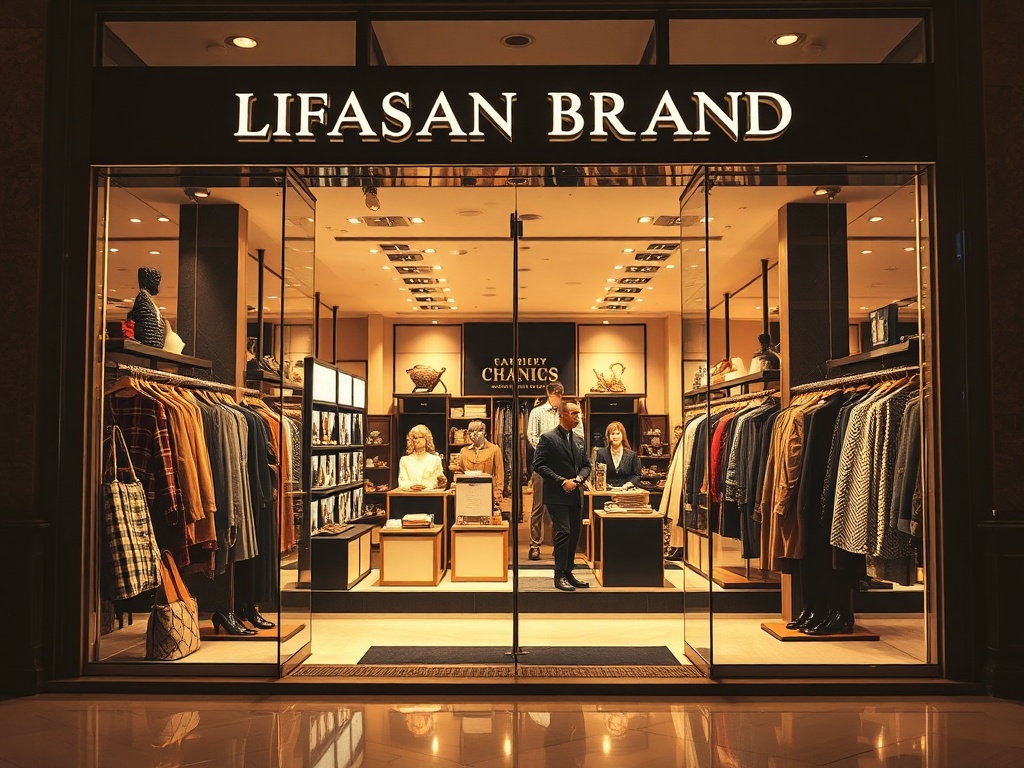
Consumers who value provenance seek labels that can authenticate materials and production methods—making transparency about craft an increasingly important marketing tool.
Sustainability and circular luxury
Sustainability is no longer optional.
Luxury brands are leading the shift toward circularity by using responsibly sourced materials, offering repair services, and supporting resale programs. High-quality construction means pieces last longer and retain value on the secondary market, which aligns with a more mindful consumption model.
Brands that publish clear sustainability goals and provide traceability for raw materials strengthen trust with environmentally conscious buyers.
Resale, authentication, and services
The resale market has become a critical extension of the luxury ecosystem. Certified pre-owned platforms, brand-run resale services, and authenticated marketplaces give products a second life while maintaining brand integrity.
Authentication technologies—like micro-tags, blockchain records, and secure QR codes—help combat counterfeits and reassure buyers about provenance. After-sales services, including repairs, restorations, and customization, deepen customer relationships and preserve long-term value.
Digital innovation and experiential retail
Digital tools transform the shopping experience. Augmented reality try-ons, personalized AI-driven recommendations, and immersive brand storytelling make online luxury shopping more engaging. At the same time, flagship stores evolve into experiential hubs where curated exhibitions, private appointments, and bespoke services create memorable moments that nurture loyalty. The blend of physical and digital touchpoints—known as phygital retail—helps brands deliver both convenience and exclusivity.
Collaborations and cultural relevance
Collaborations between haute couture houses and streetwear labels have reshaped perceptions of luxury, attracting younger audiences while sparking creative reinvention.
Strategic partnerships with artists, designers, and cultural institutions keep collections fresh and conversation-worthy. Limited capsule drops and cross-category collaborations (e.g., fashion x tech, fashion x home) open new revenue streams and signal cultural relevance without diluting core identity.
Personalization and inclusivity
Personalized experiences—monogramming, bespoke fittings, and curated wardrobes—remain a hallmark of luxury service. At the same time, broader definitions of luxury emphasize inclusivity in sizing, gender expression, and cultural representation. Brands that balance exclusivity with accessibility—through tailored communications, diverse marketing, and thoughtful product ranges—expand their audience while preserving prestige.
Tips for buyers
– Research provenance and material quality before investing.
– Consider resale value and repair options—both influence long-term worth.
– Use authentication services when purchasing pre-owned items.
– Look for brands that communicate sustainability and craftsmanship transparently.
Luxury fashion continues to evolve around craftsmanship, sustainability, and immersive experiences. Brands that successfully integrate authentic storytelling with smart digital tools and responsible practices will remain desirable to discerning consumers seeking both beauty and meaning in their purchases.