Inside Haute Couture: Craftsmanship, Ateliers, and Why It Still Matters
Haute Couture remains one of fashion’s most captivating worlds: where imagination meets obsessive craft, and garments become wearable artworks. Often misunderstood, couture is far more than expensive clothing — it’s a tradition of handwork, bespoke fit, and technical innovation that shapes broader fashion trends. What defines coutureCouture refers to garments that are custom-made for an […]
Haute Couture remains one of fashion’s most captivating worlds: where imagination meets obsessive craft, and garments become wearable artworks.
Often misunderstood, couture is far more than expensive clothing — it’s a tradition of handwork, bespoke fit, and technical innovation that shapes broader fashion trends.
What defines couture
Couture refers to garments that are custom-made for an individual client, executed by highly skilled artisans in small ateliers. Haute Couture carries legal and historical weight in France, where a protected designation ensures certain standards: multiple fittings, a house atelier, and extensive handwork are among the expectations. The result is a garment built around a body, not adapted to a standard size, with construction techniques that can’t be replicated at industrial scale.
Craftsmanship and techniques
Couture is a showcase for centuries-old techniques and contemporary reinterpretations. Hand-tailoring, hand-sewn buttonholes, hand-stitched linings, and couture draping are fundamentals. Embroidery houses apply techniques like hand-beading, tambour work, and needlepoint; lace-makers and pleaters contribute specialized skills. Materials are chosen for how they behave under draping and light — from structured silk gazar to diaphanous organza and layered tulle. A couture piece might go through dozens of toiles (mock-ups) and fittings before the final fabric is cut, ensuring flawless movement and silhouette.
The role of ateliers and artisans
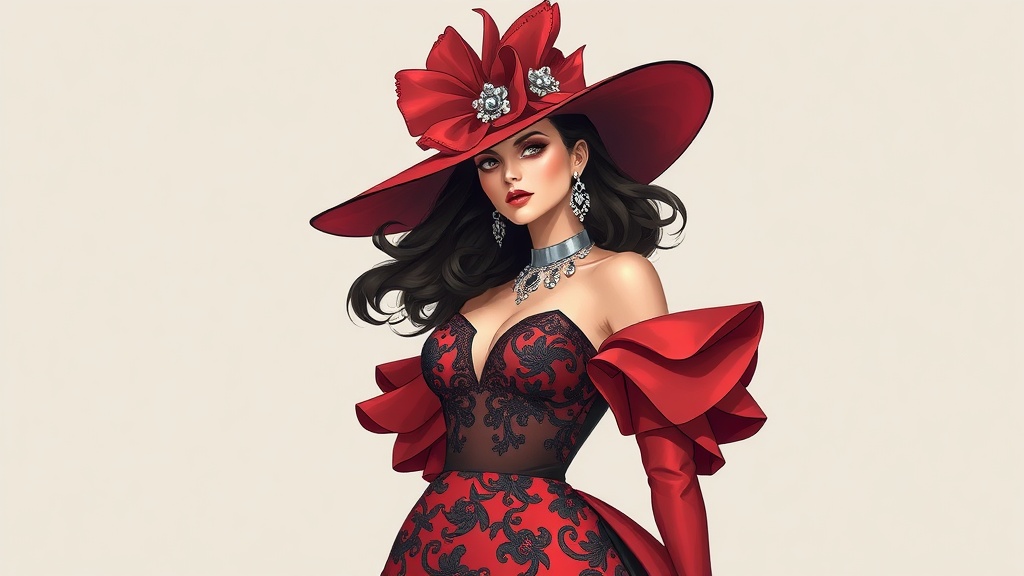
Ateliers are the beating heart of couture. Pattern makers, cutters, seamstresses, embroiderers, and finishers collaborate closely to translate a sketch into an impeccably finished garment. Many maisons now focus on training programs and partnerships with craft schools to preserve rare skills, making couture both a contemporary sector and a form of cultural heritage.
Why couture still matters
Couture functions as an R&D lab for fashion: silhouettes, details, and techniques introduced on couture runways eventually trickle down into ready-to-wear collections, accessories, and even mass-market pieces. Couture also plays an influential role on red carpets and museum exhibitions, shaping how society sees glamour and craft. For collectors and patrons, couture offers exclusivity, storytelling, and an heirloom-quality object that resists the throwaway cycle of fast fashion.
Modern shifts and sustainability
Today’s couture houses are exploring sustainability through longevity, made-to-order approaches, and responsible sourcing. The emphasis on bespoke production reduces overstock and celebrates garments designed to last decades.
Digital tools — virtual fittings, 3D visualization, and online appointments — are used to enhance the client experience without replacing the essential human touch in the atelier.
How to approach couture as a buyer or fan
– Learn the vocabulary: knowing terms like toile, muslin, and couture embroidery helps when commissioning a piece.
– Start small: commissioning a bespoke coat or tailored dress is more accessible than a full couture gown and still offers the personalized experience.
– Visit an atelier or trunk show: direct contact with artisans illuminates the work that goes into every seam and stitch.
– Consider care and preservation: couture requires specific storage and cleaning to maintain value and condition.
Couture endures because it celebrates craftsmanship, creativity, and the intimate relationship between garment and wearer. Whether admired on the red carpet, studied in a museum, or commissioned for a milestone event, couture continues to be where fashion’s most ambitious ideas are made by hand and meant to last.