Inside Haute Couture: Craftsmanship, Ateliers, and the Future of Bespoke Fashion
What distinguishes couture from ready-to-wear is not only price but an ethos: couture elevates clothing into handcrafted art through obsessive attention to detail, rare materials, and bespoke techniques. Haute couture remains the pinnacle of fashion craft, where each piece is conceived and executed by specialized artisans in dedicated ateliers. This ecosystem sustains traditional skills while […]
What distinguishes couture from ready-to-wear is not only price but an ethos: couture elevates clothing into handcrafted art through obsessive attention to detail, rare materials, and bespoke techniques. Haute couture remains the pinnacle of fashion craft, where each piece is conceived and executed by specialized artisans in dedicated ateliers. This ecosystem sustains traditional skills while evolving to meet contemporary tastes and values.
What defines haute couture
Haute couture carries a protected status in its country of origin, governed by strict criteria that include bespoke fittings, a staffed atelier, and a minimum number of skilled employees.
Those labels that meet these standards produce uniquely fitted garments tailored to individual clients. The result is clothing created for a single wearer, from initial sketching to the final hand-stitched hem.
Craftsmanship and ateliers
At the heart of haute couture is the atelier: a workshop where pattern-makers, drapers, embroiderers, milliners, and finishers collaborate. Techniques like hand draping, satin stitch embroidery, tambour beading, and complex pleating remain central. Many couture houses maintain in-house embroidery workshops and partnerships with specialist artisans—for example, feather workers, metallic thread makers, and lace weavers—protecting techniques that have been passed down through generations.
Trends shaping the couture landscape
Couture continues to adapt. Sustainability is a growing focus, with houses exploring deadstock fabrics, low-impact dyes, and repair services that extend a garment’s life. Personalization has expanded beyond measurements to include custom colors, motifs, and upcycled elements. Designers are also rethinking show formats: experiential presentations, intimate client salons, and digital lookbooks coexist with traditional runway showcases to reach a wider, international audience while preserving exclusivity.
Couture and contemporary culture
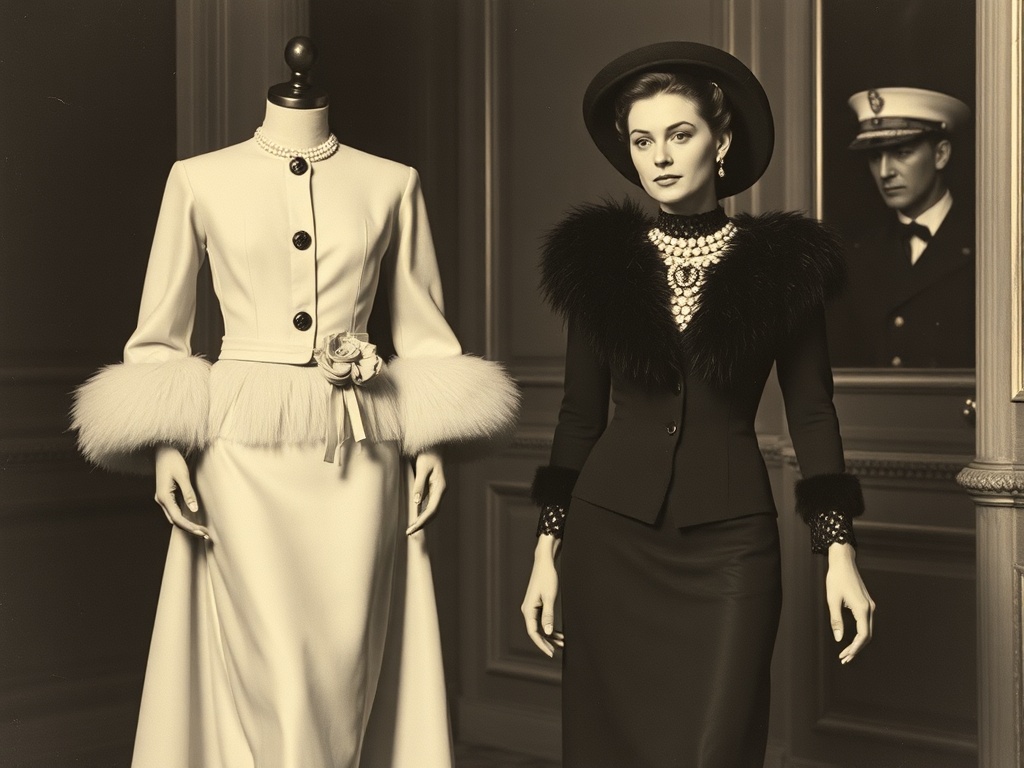
Couture serves multiple roles today: a marketing halo for fashion houses, a platform for creative risk-taking, and a cultural artifact that appears at red carpet moments and museum exhibitions.
Collaboration between couture designers and artists, craftspeople, or tech studios results in pieces that blend heritage techniques with fresh perspectives—3D printing for structural components, innovative textile treatments, and experimental silhouettes that challenge conventional dressmaking.
The value proposition of couture
Beyond the immediate visual spectacle, couture garments often function as investments. Their scarcity, craftsmanship, and provenance contribute to resale and archival value. Many collectors and institutions acquire couture for both aesthetic appreciation and historical preservation. For clients, couture offers a unique service model: multiple fittings, direct access to ateliers, and garments designed to reflect personal narratives rather than seasonal trends.
Preserving skills and educating audiences
Maintaining couture’s future depends on training and knowledge transfer. Apprenticeship programs, museum collaborations, and foundation-supported workshops help sustain artisanal vocations. Public exhibitions and behind-the-scenes content also demystify the process, inviting broader appreciation for the time and labor embedded in each piece.
How to engage with couture
For those curious about couture, options include attending public exhibitions, following house presentations and documentary features, visiting museum shows, or arranging private appointments where available.
Appreciating couture means looking beyond surface glamour to the stitch, the seam allowance, and the artisan’s hand—the elements that make haute couture both a craft and a cultural treasure.
Couture persists because it balances heritage with reinvention. It remains a space where rare materials meet masterful technique, where personal expression is made tangible, and where fashion’s most exacting standards continue to inspire the wider industry.