How to Cover Fashion Week: What to Watch, How to Report and Monetize Coverage
Fashion Week Coverage: What to Watch and How to Report It Fashion Week coverage has evolved beyond runway notes and front-row seating. Today’s audiences want context, immediacy, and authenticity. Whether you’re reporting for an outlet, curating a brand’s social feed, or simply following the shows, focusing on storytelling, platform strategy, and trend signals will make […]
Fashion Week Coverage: What to Watch and How to Report It
Fashion Week coverage has evolved beyond runway notes and front-row seating. Today’s audiences want context, immediacy, and authenticity. Whether you’re reporting for an outlet, curating a brand’s social feed, or simply following the shows, focusing on storytelling, platform strategy, and trend signals will make your coverage stand out.
What matters on the runway
– Silhouette shifts: Look for new takes on proportion, whether oversized tailoring, sculptural shoulders, or micro-hemlines. Photographing details that show construction and movement helps readers understand why a silhouette matters for retail.
– Fabric and finish: Textures sell. Capture tactile elements—sheer overlays, technical nylons, handcrafted embellishment—and explain how they translate to everyday wear or aspirational pieces.
– Color and motif: Note dominant palettes and recurring prints.
Color forecasting is a useful hook for trend pieces and buying guides.
Street style and the scene beyond the shows
Street style remains essential for capturing how trends are translated into real life. Prioritize diversity of body types, ages, and cultural influences.
Street style coverage should highlight approachability: how a runway trend becomes wearable, and how accessories, shoes, and outerwear complete looks.
Digital-first formats viewers engage with
Live streaming and short-form video are primary ways people consume Fashion Week.
Plan content for:
– Short clips and reels: Quick outfit reveals, designer cameos, and backstage moments perform strongly.
– Behind-the-scenes features: Makeup, hair, and fitting rooms provide human interest and brand narrative.
– Long-form analysis: Podcasts or editorial videos that break down themes, business moves, and designer intent attract engaged audiences.
Sustainability and craftsmanship as storytelling anchors
Sustainability is no longer a niche beat; it’s a recurring lens for coverage. Highlight brands using recycled fibers, closed-loop manufacturing, and transparent supply chains.
Equally compelling are stories about artisanship—hand-stitched details, local sourcing, and small-batch production—which resonate with readers seeking meaning behind purchases.
How to report smarter
– Prioritize press kits and lookbooks: Having high-resolution images, designer quotes, and product details speeds up publication and improves accuracy.
– Build relationships: Regular contact with showrooms, PR reps, and independent designers ensures access to interviews and exclusives.
– Balance speed with depth: Publish quick highlights for breaking interest, then follow with deeper analysis that adds value and context.
– Use metadata and SEO: Optimize headlines and captions with keywords like runway trends, street style, and sustainable fashion to improve discoverability.
Monetization and audience building
Collaborations with brands, affiliate guides, and shoppable galleries turn coverage into revenue without compromising editorial integrity. Consider newsletters that aggregate daily highlights, curated shop lists, or trend roundups to retain an audience between Fashion Weeks.
What readers want next
Audiences crave connection—insight into how trends impact closets, where to shop responsibly, and the cultural forces shaping the runway.
Coverage that blends quick visuals with thoughtful reporting will resonate across platforms and keep readers coming back.
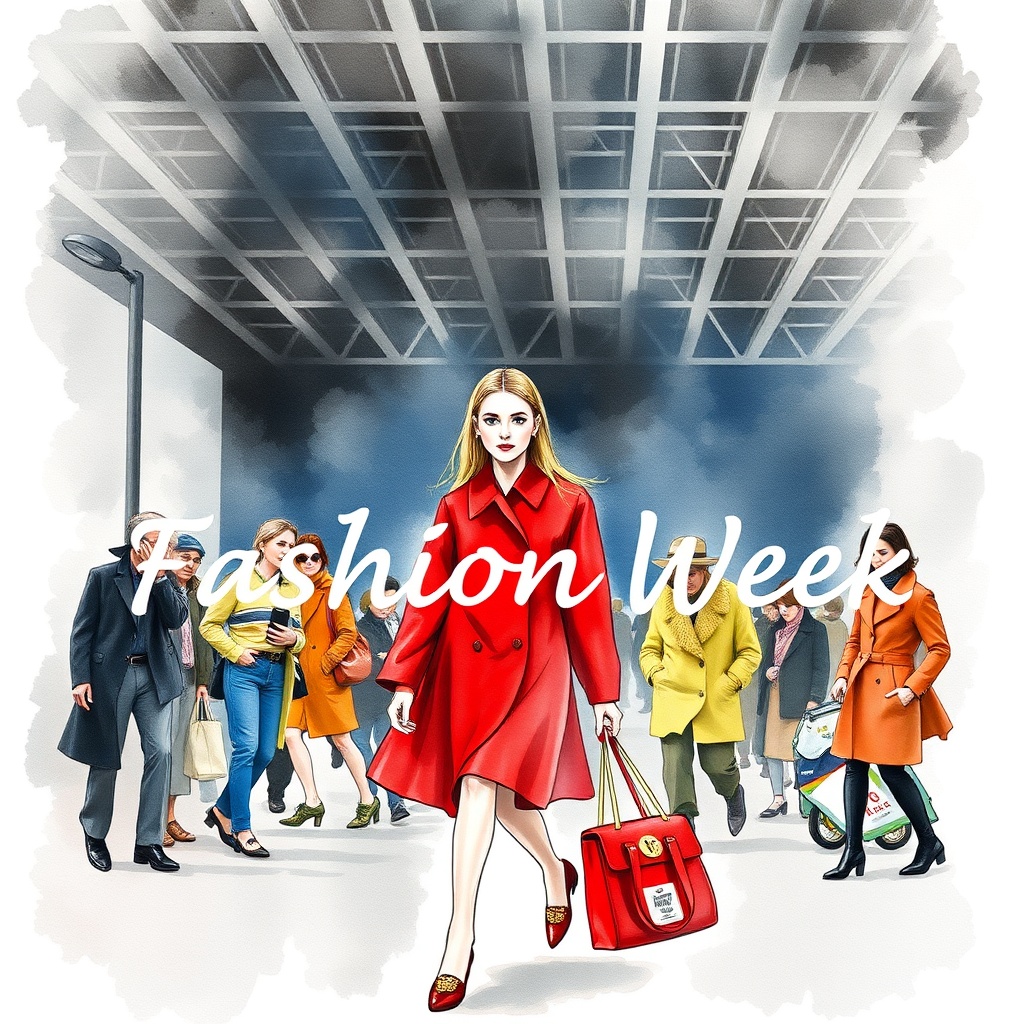
Stay nimble, emphasize the human stories behind the clothes, and match your format to the platform.
That approach ensures Fashion Week coverage remains exciting, relevant, and commercially viable for any audience.