How to Cover Fashion Week: Runway Storytelling, Social Formats & Sustainable Trends
Fashion Week coverage is more than reporting runway looks—it’s about capturing the cultural moment, translating texture and tone into stories that resonate across platforms, and turning fleeting moments into lasting content. Whether you’re a journalist, photographer, influencer, or brand marketer, a smart approach will keep coverage sharp, timely, and valuable. Plan for the story behind […]
Fashion Week coverage is more than reporting runway looks—it’s about capturing the cultural moment, translating texture and tone into stories that resonate across platforms, and turning fleeting moments into lasting content. Whether you’re a journalist, photographer, influencer, or brand marketer, a smart approach will keep coverage sharp, timely, and valuable.
Plan for the story behind the show
Every collection carries a narrative—materials, silhouette shifts, color palettes, and cultural references.
Before a show, research the designer’s recent work, collaborations, and any stated inspirations. That context helps you spot what’s truly new versus what’s iterative.
Look for recurring motifs across multiple designers; these often signal emerging trends editors and buyers will take seriously.
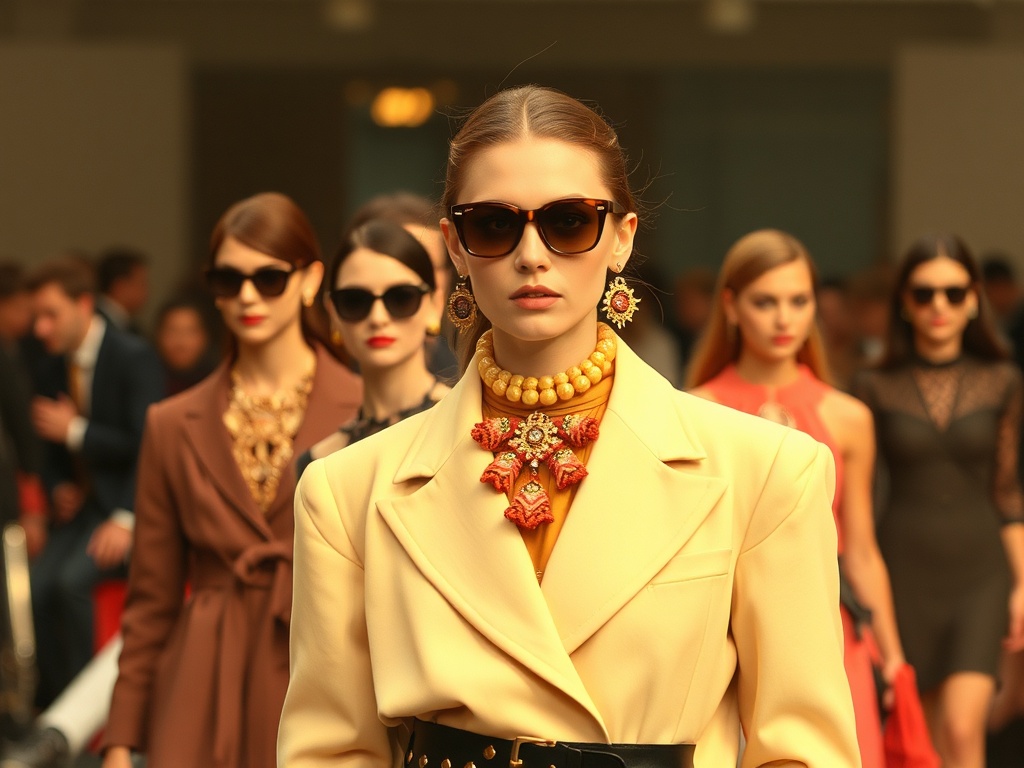
Master visual storytelling
Runway images should communicate movement, fit, and fabric.
Capture multiple frames: full-length runway shots, close-ups of details (stitching, trims, fabric texture), and candid moments that reveal mood. For backstage coverage, prioritize emotion and process—tailoring in action, makeup touch-ups, and fittings—these images humanize the glamour.
Maintain consistent editing and color grading to build a recognizable visual signature across channels.
Optimize for social and editorial formats
Different platforms demand different formats.
Short-form videos and vertical images work best for social feeds and stories, while longer form video and high-res images serve editorial pieces and lookbooks.
Repurpose content: a runway clip can become an Instagram Reel, a TikTok edit, and a gif for a blog post. Quick turnaround is crucial—publish highlights within hours to capitalize on search and social trends.
Prioritize interviews and quotes
A concise, insightful quote from a designer or creative director elevates coverage. Prepare targeted questions that probe process, sustainability choices, and intended audience. When possible, capture audio or short video for social posts—real-time reactions and soundbites often perform better than text alone.
Spotlight sustainability and innovation
Sustainable materials, circular production methods, and transparent supply chains continue to shape industry narratives.
Highlight certifications, innovative fabrications, and efforts to reduce waste. Equally important are technological innovations—new dyeing processes, digital production tools, and immersive show formats—that influence both design and commerce.
Street style with strategic intent
Street style still sells stories. Instead of just cataloging outfits, look for interesting contrasts, subcultures, and wearable trends with broad appeal. Tag brands and designers, and obtain consent for commercial use when needed.
Curate street-style galleries around themes—color trends, accessory focus, or emerging silhouettes—to provide readers with actionable inspiration.
Legalities, credits, and rights
Always confirm image usage rights and credit photographers, stylists, and makeup artists correctly. For reselling images or using them in promotional campaigns, secure written permissions. Accurate credits build goodwill and protect you legally.
SEO and headline tactics
Craft headlines that balance immediacy with search intent—think “Top Runway Trends,” “How Designers Are Embracing Sustainable Fabrics,” or “Street Style Looks to Wear Now.” Use descriptive alt text for images and concise meta descriptions to improve discoverability. Tag names, hashtags, and keywords consistently.
Measure and iterate
Track engagement metrics—time on page, shares, and conversions—to understand which formats and stories resonate. Use that data to refine future coverage, experiment with new angles, and tailor content to audience preferences.
Fashion Week coverage thrives at the intersection of speed and substance. By combining rigorous preparation, strong visual storytelling, ethical practices, and platform-specific distribution, coverage can inform, inspire, and influence buyers, editors, and consumers alike.