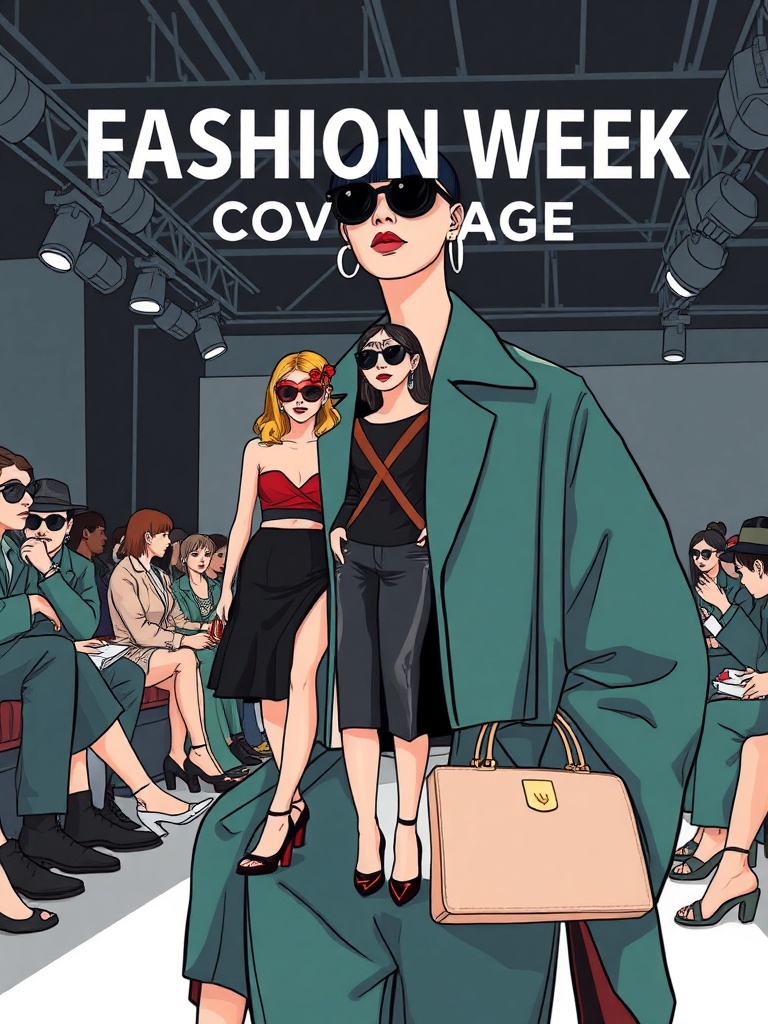
How to Cover Fashion Week: Multimedia Strategies for Runway, Designers & Street Style
Fashion Week coverage has evolved into a multimedia sprint that blends live reporting, curated visuals, and smart social strategy. Whether covering a major runway or a regional presentation, effective coverage balances immediacy with storytelling, leverages multiple platforms, and highlights what matters to readers: trends, designers’ intent, and cultural context. Plan your coverage around clear content […]
Fashion Week coverage has evolved into a multimedia sprint that blends live reporting, curated visuals, and smart social strategy. Whether covering a major runway or a regional presentation, effective coverage balances immediacy with storytelling, leverages multiple platforms, and highlights what matters to readers: trends, designers’ intent, and cultural context.
Plan your coverage around clear content pillars
Start with three core pillars: runway highlights (key looks and trend themes), designer profiles (backstory, techniques, sustainability claims), and street style (real-world interpretation). These pillars keep coverage focused and make repurposing straightforward across channels — long-form articles, short-form videos, image galleries, and social posts.
Nail the logistics and press basics
Secure accreditation early, confirm show times and check embargo rules. Build a simple content calendar with designated slots for pre-show teasers, live captures, post-show writeups, and curated galleries.
Pack essential gear: a reliable mirrorless or DSLR body, fast prime lenses (35mm and 85mm are versatile), extra batteries, portable SSD, and a compact gimbal for smooth mobile video.
Shoot with intent
Runway images should tell a clear visual story: establish the venue, capture wide shots for set design, and isolate standout looks with tighter frames. For street style, aim for natural light and candid moments; always ask permission when possible. For video, prioritize vertical 9:16 framing for Reels and short-form formats and horizontal for longer edits and YouTube. Keep short-form videos punchy — 15–60 seconds works best for engagement.
Embrace multimedia and real-time formats
Livestreams, backstage interviews, and quick-look Reels are essential for modern audiences.
Use live captioning or quick subtitles for accessibility. Interactive features like polls and Q&A during live streams increase engagement. Augmented reality filters and AR try-ons can be used to amplify a collection’s digital presence, especially for brands experimenting with virtual dressing rooms.
Tell the trend story — beyond “what” to “why”
Highlight recurring motifs (color palettes, silhouettes, fabric innovations) and explain why they matter: cultural influences, sustainability practices, or wearability. Include designer quotes and context on production techniques or material sourcing.
This depth helps editors, buyers, and style-savvy audiences make meaning of what they see.
Optimize for search and discoverability
Craft concise, keyword-friendly headlines and metadata that reference the designer and city (e.g., “Runway Review: [Designer] at [City] Fashion Week”). Use descriptive alt text on images and transcribe or caption videos for accessibility and SEO value. Repurpose long-form articles into short social posts with linkbacks to drive traffic.
Respect ethics and sustainability
Be transparent about sponsored content, gifted items, and partnerships. Practice consent-first photography for street shots and backstage moments. Spotlight sustainable practices honestly — highlight certifications, traceability, and where claims are still evolving.
Monetize thoughtfully
Combine editorial coverage with sponsored content, affiliate links to key pieces, and exclusive subscriber newsletters. Offer buyers-focused roundups and shoppable galleries that retain editorial integrity.
Measure and iterate
Track engagement by format: which looks generate saves, which designers spark conversation, and which videos drive completion rates. Use those insights to refine pitch angles, allocate photographer time, and shape follow-up interviews.
Fashion Week coverage is a fast-moving blend of craft and strategy. Prioritize a few strong narratives, deliver high-quality visuals across formats, and remain transparent and ethical. That approach keeps audiences informed, inspired, and coming back for the next wave of runway storytelling.