How to Cover Fashion Week in a Digital-First Era: Livestreams, Street Style, Sustainability & Shoppable Content
Fashion Week coverage has evolved from glossy, appointment-only pressrooms into a multimedia spectacle that reaches millions. The shift toward digital-first experiences, amplified by social platforms and shoppable content, has changed what it means to “cover” a show. Whether you follow from your phone or attend backstage, the way designers, editors, and influencers tell the story […]
Fashion Week coverage has evolved from glossy, appointment-only pressrooms into a multimedia spectacle that reaches millions. The shift toward digital-first experiences, amplified by social platforms and shoppable content, has changed what it means to “cover” a show. Whether you follow from your phone or attend backstage, the way designers, editors, and influencers tell the story matters more than ever.
What’s shaping coverage now
– Runway livestreams and behind-the-scenes video: Brands increasingly offer livestreams and edited recaps that prioritize storytelling—mood, music, and model casting—making the collection accessible without sacrificing narrative.
– Short-form social content: Vertical video formats drive immediate engagement.
Quick edits, close-ups of fabrics, and designer reactions perform best on platforms that favor short attention spans.
– Street style as cultural signal: Photographer-driven street style has become a reliable barometer of what people will actually wear. Outfits captured outside shows often translate faster into retail demand than the runway looks themselves.
– Sustainability and transparency: Audiences expect context about materials, production, and brand practices. Coverage that includes sourcing and responsible production details resonates strongly with informed consumers.
– Diversity and storytelling: Inclusive casting and culturally aware styling create richer coverage.
Profiles of designers, artisans, and collaborators help ground collections in authentic narratives.
– Phygital experiences and shoppable content: Interactive lookbooks, AR try-ons, and shoppable livestreams let viewers move from inspiration to purchase in minutes.
How media and brands approach it differently
Traditional editors emphasize critique and trend analysis; influencers translate aesthetic cues into wearable looks for followers; brands focus on controlled messaging and commerce. The most effective coverage blends these strengths: critical context, cultural translation, and clear paths to purchase.
Tips for editors and creators
– Prioritize a cohesive narrative: Lead with a single, memorable idea—color, silhouette, or source inspiration—and tie imagery and captions back to it.
– Optimize for platforms: Produce both long-form runway video and short-form vertical cuts.
Captions should include searchable keywords like “runway,” “street style,” “sustainable fabrics,” and “shoppable.”
– Use real-time updates smartly: Live-tweeting and instant Reels create FOMO, but follow up with polished recaps and analysis for long-tail SEO value.
– Collaborate with micro-influencers: Niche creators often drive higher conversion and authenticity than blanket celebrity placements.
Tips for brands and PR teams
– Make press materials concise and resource-rich: Provide hi-res images, B-roll, detailed fabric notes, and bios that help journalists craft meaningful stories quickly.
– Build shoppable assets early: Integrate product feeds and tags so coverage converts interest into sales seamlessly.
– Invite diverse voices: Panels, backstage interviews, and artisan spotlights enrich coverage and broaden reach.
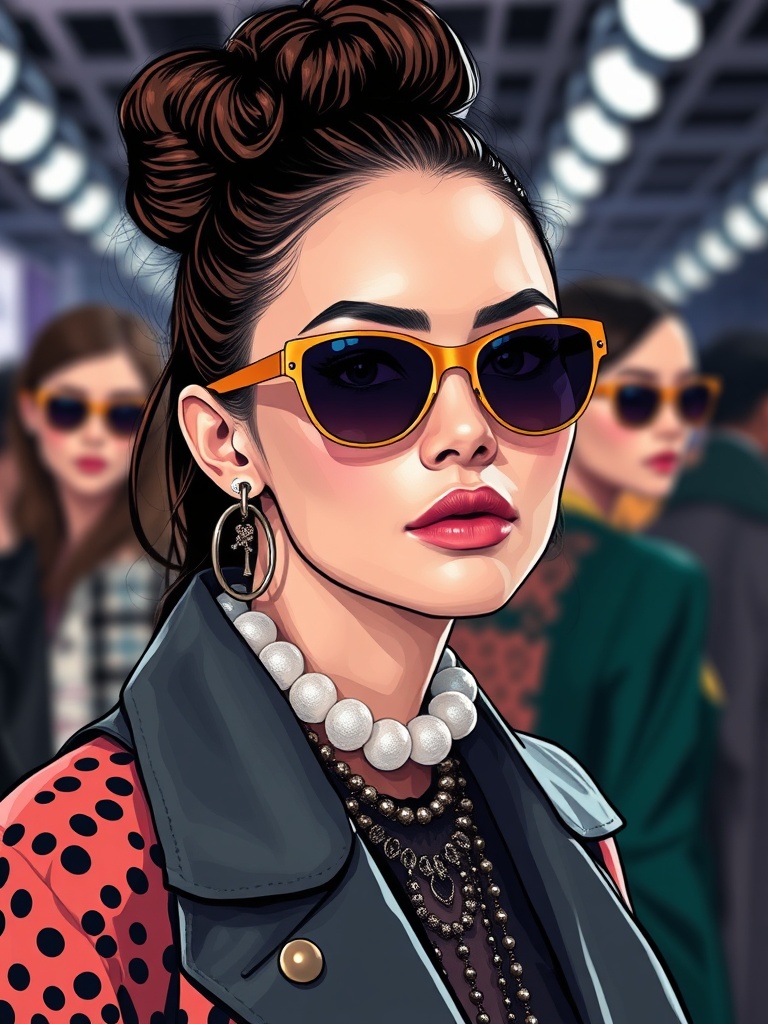
How to follow Fashion Week coverage as a consumer
– Curate a feed: Follow designers, trusted editors, and a few street-style photographers to get both official and candid perspectives.
– Watch highlights, not every minute: Key moments and influencer summaries often capture the season’s most actionable ideas.
– Look for context: Articles or videos that explain who made the garments, what materials were used, and how pieces translate to everyday wear give greater value than pure spectacle.
Fashion Week coverage now balances spectacle with substance.
Coverage that informs, inspires, and connects directly to what people want to wear—and how they can buy it—wins attention and drives impact across media, retail, and culture.