How to Cover Fashion Week: Fast, Strategic, Story-Driven Tips for Editors, Influencers & Brands
How to Cover Fashion Week: Fast, Strategic, and Story-Driven Fashion Week remains the moment when designers, models, and culture collide — and coverage must be faster, smarter, and more narrative-driven than ever. Whether you’re an editor, influencer, photographer, or brand marketer, the goal is the same: capture what matters and turn it into compelling content […]
How to Cover Fashion Week: Fast, Strategic, and Story-Driven
Fashion Week remains the moment when designers, models, and culture collide — and coverage must be faster, smarter, and more narrative-driven than ever.
Whether you’re an editor, influencer, photographer, or brand marketer, the goal is the same: capture what matters and turn it into compelling content across platforms.
Prepare before you land
Research the schedule, designers, and show themes ahead of time.
Build a content calendar that maps pre-show teasers, live updates, and post-show analysis. Request press kits and lookbooks early to confirm credits, key silhouettes, fabrics, and designer quotes.
Pack versatile gear: a reliable camera for stills, a gimbal or stabilizer for smooth vertical video, spare batteries, fast memory cards, and lightweight lighting. Have mobile editing apps and a laptop workflow ready for quick turnaround.
Own the live moment
Speed is essential, but accuracy wins credibility. Share short-form video (vertical for Reels and TikTok) of runway highlights, quick designer reactions, and behind-the-scenes clips. For Instagram and Twitter-style posts, prioritize one stunning hero image with concise captions that include designer and product names, tags for collaborators, and relevant hashtags.
Use live-streaming strategically — either as a direct feed or as curated commentary — and promote watch links in advance to grow a live audience.
Tell stories beyond the runway
Fashion Week coverage that stands out goes deeper than silhouettes. Spotlight artisans, sustainable materials, and the cultural references that informed a collection.
Arrange short interviews with stylists, cast members, or brand creatives to add context. Create trend explainers (“how to wear” guides, capsule styling ideas) that extend reach beyond immediate show followers and perform well in search.
Optimize for discoverability
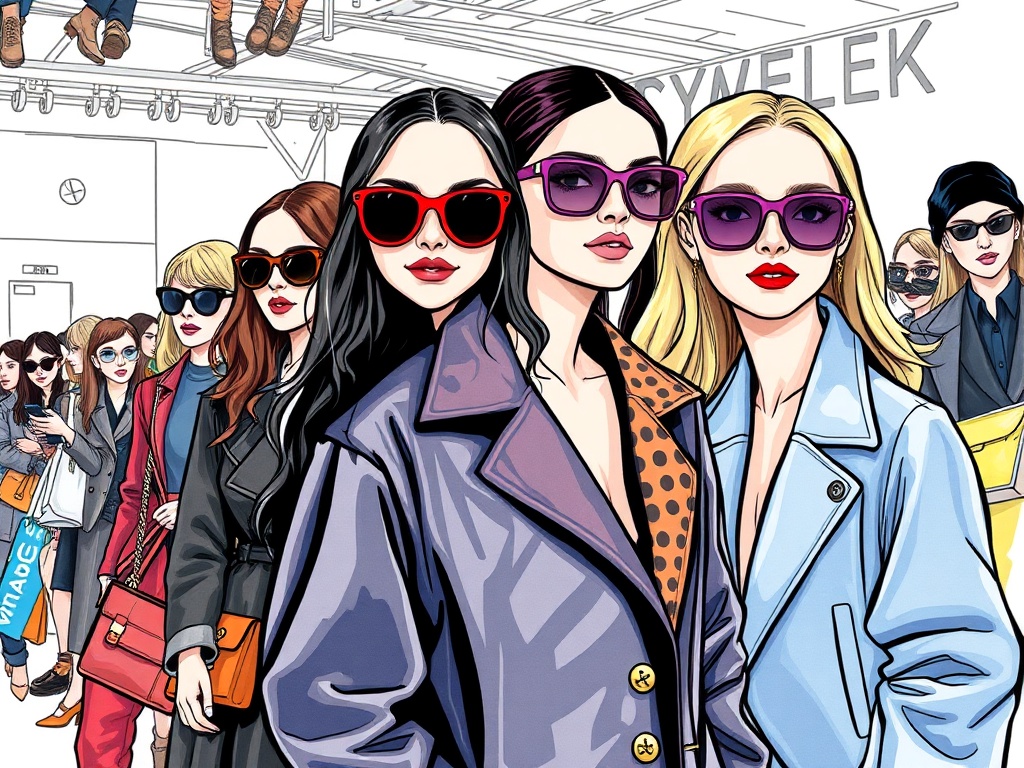
Write clear, keyword-rich headlines and descriptions. Include designer names, collection themes, and trend keywords such as “street style,” “runway trends,” “sustainable fashion,” and “ready-to-wear.” Use descriptive alt text on images and transcribe video captions for accessibility and SEO benefits. Link to designer pages, show schedules, and related editorial for authority and reader value.
Curate street style and front-row moments
Street style often fuels consumer trends more than runway looks. Capture repeatable outfits and closet-friendly styling ideas that readers can adapt.
For front-row coverage, identify influential guests and their stylists, and tag them accurately. Curated “best-dressed” galleries or short listicles perform well across social feeds and help build evergreen traffic.
Respect rights and relationships
Confirm accreditation requirements and photo policies for each venue. Respect model privacy and obtain releases when needed, especially for commercial use. Credit photographers, stylists, PR teams, and designers in every post to build long-term professional relationships.
Monetize and expand reach
Leverage shoppable posts, affiliate links, and sponsored content without compromising editorial integrity. Repurpose runway clips into shoppable breakdowns or “buy the look” galleries. Consider email newsletters that recap daily highlights for a high-engagement audience.
Checklist for effective Fashion Week coverage
– Research designers and pre-book interviews
– Prepare fast mobile and desktop editing workflows
– Prioritize vertical video and short-form formats
– Use clear captions, tags, and alt text for SEO
– Create trend reports and “how to wear” pieces post-show
– Respect venue rules and obtain necessary releases
– Monetize thoughtfully with shoppable content
By combining rapid on-the-ground reporting with thoughtful storytelling and SEO-savvy distribution, Fashion Week coverage can do more than document shows — it can shape the seasonal conversation and convert runway ideas into real-world style.