How to Cover Fashion Week: Balancing Live Reporting, Evergreen Storytelling, and Shoppable Content
Fashion Week coverage has evolved from paper press notes and front-row sketches to a fast-moving, multi-platform ecosystem where speed, visual storytelling, and commerce converge. Covering shows effectively now means balancing live reporting with evergreen storytelling that remains useful long after the final bow. What to prioritize– Runway reporting: Capture the narrative of a collection — […]
Fashion Week coverage has evolved from paper press notes and front-row sketches to a fast-moving, multi-platform ecosystem where speed, visual storytelling, and commerce converge. Covering shows effectively now means balancing live reporting with evergreen storytelling that remains useful long after the final bow.
What to prioritize
– Runway reporting: Capture the narrative of a collection — color palette, fabric choices, silhouette shifts, and standout pieces. Note how a designer updated codes or responded to cultural moments; readers look for context as much as garments.
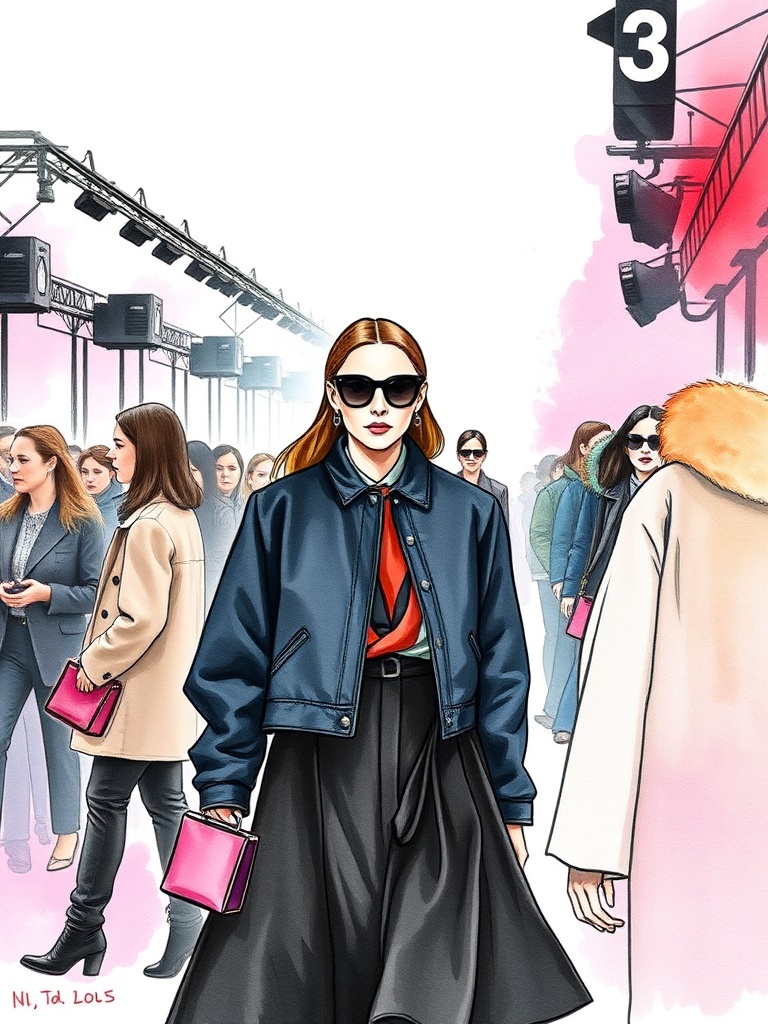
– Street style: Street imagery often drives audience engagement. Focus on distinctive looks, unexpected pairings, and accessories that translate to everyday wardrobes. Strong captions that explain why the outfit works boost shareability.
– Behind the scenes: Backstage shots, designer interviews, and studio processes humanize the show. Short-form video of fittings, makeup details, and tailors at work performs well across social platforms and lends depth to articles.
Formats that work
– Live blogging and real-time social updates satisfy audiences who want immediacy. Pair quick captions with crisp images and short videos for maximum impact.
– Edited roundups and trend pieces convert into long-term traffic.
Structure these with clear subheads and shopping or styling advice so they’re useful beyond the event window.
– Long-form interviews and designer profiles create linkable assets that help SEO and brand partnerships.
Distribution and platform strategy
– Prioritize native content for each platform. Short, punchy clips for vertical video platforms; carousel images and thoughtful captions for photo-first feeds; longer, embedded videos for editorial pages.
– Livestreams are essential for audience access. Promote start times across channels, and repurpose the stream into shorter highlight reels for later promotion.
– Shoppable content drives revenue—tag runway looks or curated alternatives so readers can act on inspiration immediately.
SEO and editorial best practices
– Use clear, searchable headlines that include “Fashion Week” and relevant city or designer names if applicable.
Optimize meta descriptions and image alt text to capture search traffic.
– Create keyword-rich trend roundups (e.g., “how to wear oversized tailoring”) that link back to runway reports and product pages. Internal linking increases session depth and authority.
– Preserve embargoed content carefully; respect press rules to maintain access while preparing quick-publish assets that go live when allowed.
Ethics, access, and inclusivity
– Representation and diversity are non-negotiable.
Highlight designers and models pushing inclusive sizing, adaptive fashion, and cultural authenticity.
– Transparency around sponsorship and gifted items maintains trust.
Label sponsored posts and affiliate links clearly.
– Sustainability deserves thoughtful coverage beyond PR rhetoric. Ask designers about supply chains, materials, and end-of-life plans, and report specifics rather than slogans.
Practical tips for teams
– Build an editorial calendar with slots for live posts, mid-day roundups, and evening trend pieces.
– Pack lightweight, reliable gear: fast lenses, spare batteries, and a mobile editing workflow. Test connectivity options at venues.
– Coordinate photographers, writers, and social producers via a shared doc to avoid duplicate coverage and to maximize unique angles.
What readers want most is context: why a look matters, how it fits into broader trends, and how to wear it. Combining speed with storytelling and commerce-minded distribution ensures Fashion Week coverage performs for audiences, brands, and editorial goals well beyond the shows themselves.