How to Cover Fashion Week: A Practical Guide to Planning, Visual Storytelling, Social Strategy & SEO
Fashion Week remains one of the most high-energy, trend-defining moments in the fashion calendar. Covering it well requires a mix of speed, narrative, and visual clarity so your audience gets more than a lineup of looks — they get context, personality, and usable style ideas. Here’s a practical guide to creating standout Fashion Week coverage […]
Fashion Week remains one of the most high-energy, trend-defining moments in the fashion calendar. Covering it well requires a mix of speed, narrative, and visual clarity so your audience gets more than a lineup of looks — they get context, personality, and usable style ideas.
Here’s a practical guide to creating standout Fashion Week coverage that performs across platforms.
Create a tight pre-show plan
– Build your show list and prioritize: designers, presentations, and events that align with your audience and editorial voice.
– Secure accreditation early and maintain a press kit with bio, previous coverage, and links to social channels.
– Research each designer’s recent work and brand story so you can ask meaningful questions and identify narrative angles before the show starts.
Make visuals your storytelling backbone
– Photos: Focus on high-quality hero images of full looks, close-ups of materials and accessories, and backstage candids that reveal process. Use consistent editing so your gallery reads cohesively.
– Video: Short-form clips (15–60 seconds) work best for social platforms—think quick walkouts, fabric movement, or a designer’s reaction. Vertical video is essential for stories and reels.
– Captions & tags: Write captions that add insight—fabrications, silhouettes, or how a look fits into broader trends.
Tag designers, PR contacts, and models to increase reach.
Balance speed with depth
– Real-time coverage: Live-tweet or post stories during shows for immediate engagement. Prioritize clarity—accurate designer names, look numbers, and standout pieces.
– Long-form follow-ups: Publish a round-up or essay that interprets recurring themes across shows (color palettes, sustainability approaches, tailoring shifts).
This drives search traffic and provides value beyond momentary hype.
Find fresh angles that cut through the noise
– Behind-the-scenes access: Workshops, fittings, and tech demos offer unique content. Audiences love process-driven stories that reveal craftsmanship.
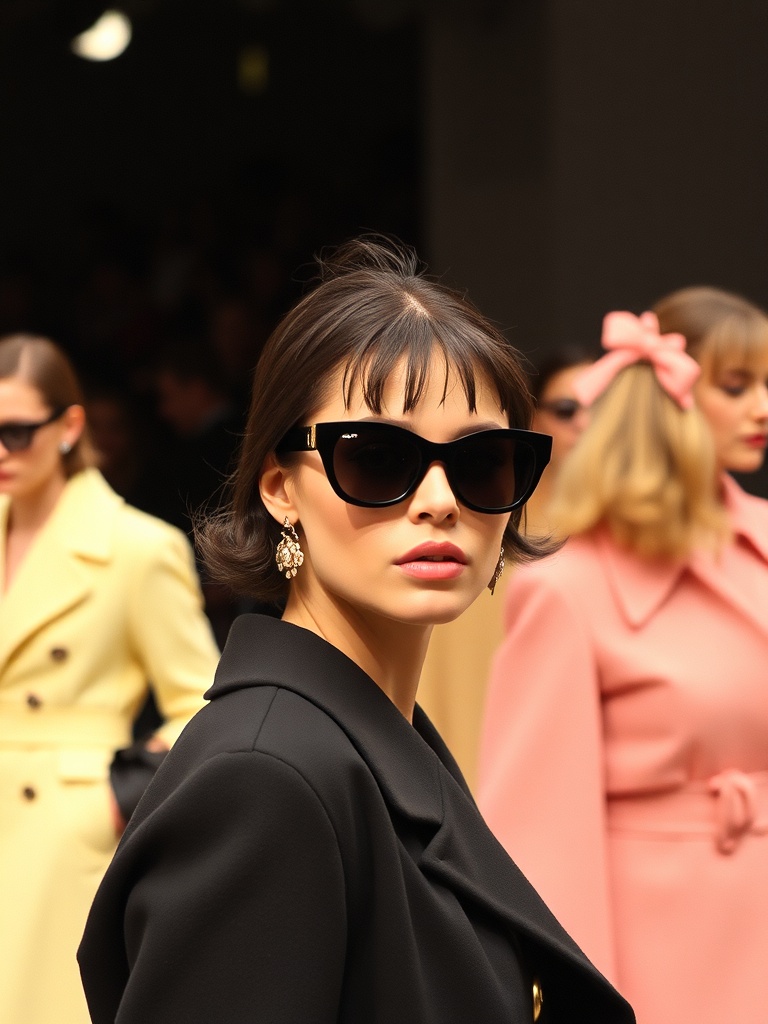
– Street style with purpose: Instead of generic outfit dumps, highlight individual style narratives—why someone chose a look, the mix of vintage and contemporary, or local designers being worn.
– Diversity and representation: Track casting choices, size inclusivity, and cultural narratives. Thoughtful coverage that names progress and shortcomings resonates deeply.
Optimize for search and social
– SEO: Use descriptive, searchable headlines and include key terms early in the copy. Alt text for images and structured meta descriptions help visibility.
– Social-first assets: Create reusable templates for show recaps, trend lists, and designer spotlights. Repurpose long-form interviews into quote cards, short videos, and carousel posts to maximize engagement.
Monetize and measure wisely
– Sponsored features and affiliate links can supplement coverage but keep transparency and editorial integrity front and center.
– Track performance metrics by format (photos, reels, articles) and channel to see where your audience is most engaged. Use those insights to refine future strategies.
Respect ethics and relationships
– Always credit photographers, stylists, and PR teams.
Get consent before publishing close-up backstage images. Build long-term relationships by delivering timely links and social assets to partners.
Fashion Week coverage succeeds when it pairs timely reactions with lasting insights. By planning ahead, prioritizing story-driven visuals, and offering perspectives that go beyond the runway, you can craft coverage that informs, inspires, and stands the test of repeat readership.