How to Cover Fashion Week: A Digital-First Guide to Runway Trends, Backstage Access & Social Amplification
Fashion Week coverage has evolved from a handful of runway show reports into a multimedia moment that shapes trends, commerce, and culture. Whether you’re an editor, influencer, photographer, or brand PR, smart coverage turns fleeting catwalk moments into lasting audience engagement. What to prioritize before shows– Research the schedule and designer narratives so you can […]
Fashion Week coverage has evolved from a handful of runway show reports into a multimedia moment that shapes trends, commerce, and culture. Whether you’re an editor, influencer, photographer, or brand PR, smart coverage turns fleeting catwalk moments into lasting audience engagement.
What to prioritize before shows
– Research the schedule and designer narratives so you can tell a cohesive story rather than churning out play-by-play. Know which designers are debuting collections, championing sustainability, or spotlighting craft techniques.
– Assemble a flexible gear kit: fast lens for low light, backup batteries, a portable charger, and a phone gimbal for vertical video.
Fast, reliable Wi‑Fi access or a good mobile hotspot keeps live content flowing.
– Prepare a concise press kit or media pitch with high-res images, look lists, and contact info for quick editorial turnaround.
Runway coverage that resonates
Runway notes should capture mood and mechanics: silhouette, key fabrics, palette shifts, and standout accessories. Focus on a few signature looks from each show and explain why they matter for consumer wardrobes.
Contextualize trends—link a runway style to street adoption, retail-ready iterations, or how it fits a broader fashion cycle.
Backstage: exclusive storytelling
Backstage access is where trust and craft meet. Short interviews with designers and key artisans, BTS shots of fittings, and makeup breakdowns add depth. Respect time and space—ask before photographing and always credit stylists and artists. Those human details often become the most shared content.
Street style and social proof
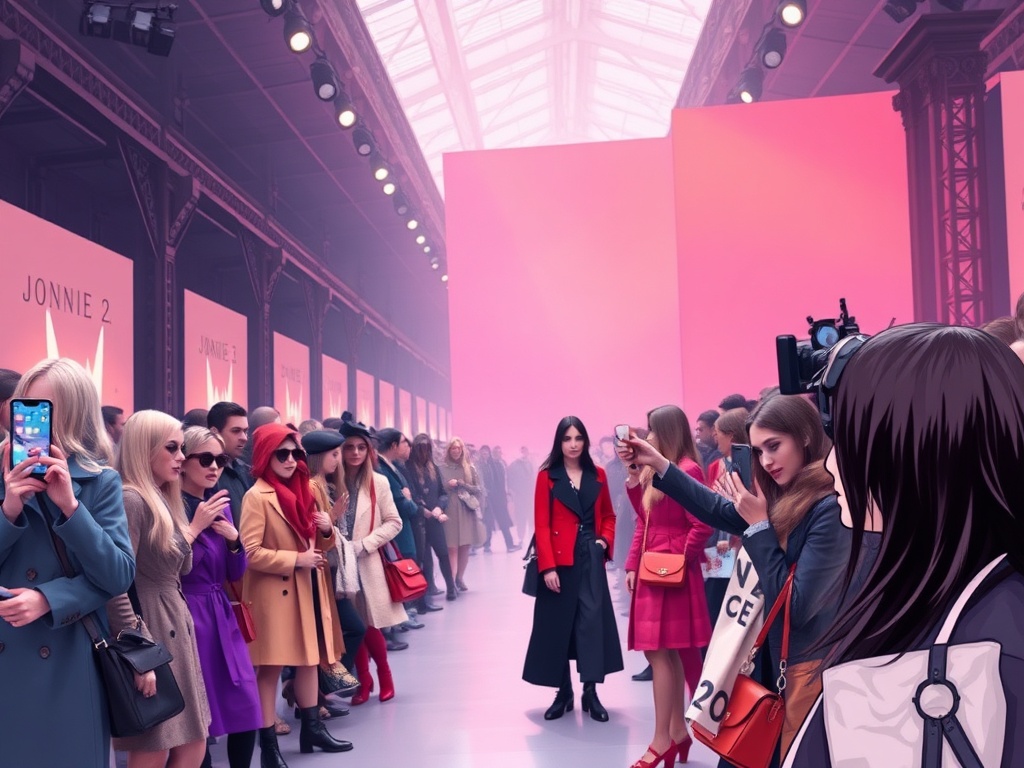
Street style remains essential for translating runway concepts into wearable ideas.
Capture diversity in age, size, and personal expression; audiences respond to real-world styling. Quick, candid portraits paired with style notes and shopping links create evergreen traffic.
Digital-first content strategies
Short-form video rules attention—think 15–60 second Reels and TikToks with clear hooks (e.g., “3 runway trends you can wear tomorrow”). Use vertical editing, on-screen captions, and music that fits the show’s energy. For longform audiences, publish thoughtful recaps or photo essays that analyze shifts across the week.
Sustainability and inclusivity coverage
Highlight materials, transparent supply chains, circular initiatives, and size-inclusive casting. Reporters and creators who interrogate claims with specific questions (e.g., material sourcing, production geography) earn credibility and reader trust.
SEO and social amplification
Optimize headlines and captions with searchable phrases like “runway trends,” “street style,” and designer names. Include alt text for images, descriptive filenames, and timestamped sections for video. Use consistent, event-specific hashtags and tag designers, PR, and collaborators to increase discoverability.
Ethics, rights, and attributions
Always credit photographers, stylists, and designers. Verify permissions for behind-the-scenes imagery and be mindful of model releases when using close-up shots. Transparent sourcing avoids legal pitfalls and builds professional relationships.
Quick checklist for effective coverage
– Pre-show research and press materials ready
– Multi-format content plan (photo, short video, longform)
– Fast gear and reliable connectivity
– Backstage etiquette and interview prep
– SEO-optimized captions and metadata
– Clear attributions and rights management
Fashion Week is a storytelling playground where context matters as much as spectacle. Coverage that blends informed analysis, ethical reporting, and dynamic multimedia storytelling will cut through the noise and continue to drive engagement long after the final walk.