How to Cover Fashion Week: A Digital-First Guide to Runway Highlights, Street Style, Backstage Access & Monetization
Fashion Week coverage has evolved from a handful of hush-hush runway shows into a global media event that blends live spectacle, digital innovation, and commerce. Whether reporting for a fashion blog, producing content for a brand, or curating street-style galleries, effective coverage requires a clear plan, nimble storytelling, and an eye for trends that will […]
Fashion Week coverage has evolved from a handful of hush-hush runway shows into a global media event that blends live spectacle, digital innovation, and commerce. Whether reporting for a fashion blog, producing content for a brand, or curating street-style galleries, effective coverage requires a clear plan, nimble storytelling, and an eye for trends that will resonate beyond the season.
What to prioritize
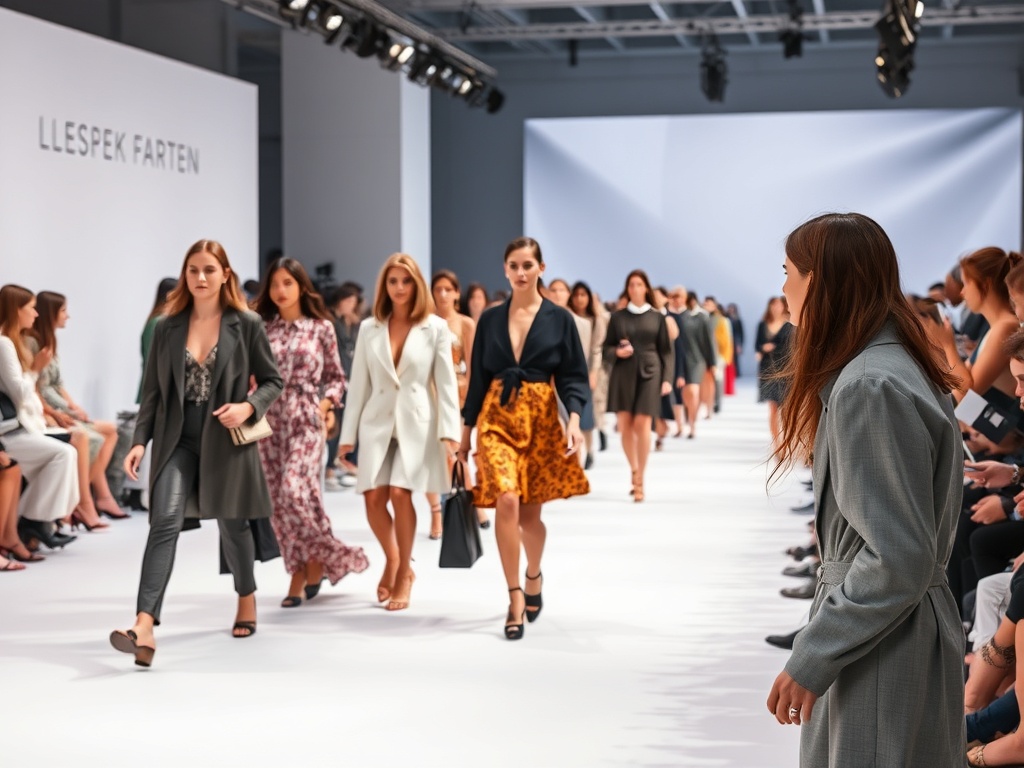
– Runway highlights: Capture the defining looks and the narrative a designer builds across the collection—silhouettes, fabrics, and standout details. Focus on what makes a collection cohesive and what pushes the conversation forward.
– Street style: Street photography often drives viral moments.
Look for novel styling, wearable takes on runway trends, and personalities likely to influence commerce and consumer tastes.
– Backstage access: Backstage offers raw, human stories—hairstylists and makeup artists at work, last-minute fittings, and designer interactions. These behind-the-scenes moments create authentic content that audiences crave.
– Industry context: Note collaborations, celebrity endorsements, and show formats like presentations or digital lookbooks. Contextual reporting helps readers understand why a collection matters commercially and culturally.
Digital-first storytelling
Social platforms shape how Fashion Week reaches the public. Short-form video—vertical reels and short clips—captures momentum and converts best on social channels. Pair quick clips with carousel posts for deeper visual storytelling: one clip or image for the headline look, followed by details and a caption that explains the collection’s inspiration or wearability.
Live coverage strategies
– Real-time posting during shows gives audiences a front-row feeling, but prioritize quality over speed.
A high-impact image or concise video with a strong caption outperforms a flurry of mediocre posts.
– Use Stories and ephemeral content for candid moments, and save curated highlights for your feed or channel playlists to extend shelf life.
– Live interviews and Q&A sessions with designers or models add depth and keep audiences engaged beyond visual spectacle.
Trend signals to watch
Certain themes consistently surface in modern Fashion Week coverage: sustainability and circular design, artisan techniques, gender-fluid silhouettes, and multifunctional garments that reflect blended lifestyles. Tech-enabled features—like wearable tech or AR-enhanced lookbooks—are increasingly part of the conversation and worth noting for forward-thinking readers.
Monetization and commerce
Fashion Week is a major commerce driver. Shoppable content—direct links to pre-orders, capsule drops, or designer collaborations—bridges the runway and the retail floor.
Affiliate links, sponsored content with clear disclosures, and partnerships with emerging brands can create reliable revenue while keeping coverage relevant.
Practical tips for journalists and creators
– Plan coverage around show schedules and accreditation; prioritize shows and designers aligned with your audience.
– Build relationships with PR teams for press materials, lookbooks, and access to interviews.
– Invest in one high-quality camera or smartphone setup and a reliable editing workflow to maintain consistency.
– Tag correctly: use official show tags, designer handles, and widely recognized fashion hashtags to maximize discoverability.
Measuring success
Track engagement metrics such as saves, shares, watch time, and direct traffic to shoppable links. These indicators reveal which stories resonate and inform editorial focus for upcoming events.
Fashion Week remains a dynamic mix of artistry, commerce, and cultural signaling. Coverage that blends strong visuals, timely analysis, and smart digital distribution will not only report the moment but help shape what comes next.