How to Cover Fashion Week: A Complete Guide to Runway Trends, Street Style & Backstage Stories
Fashion Week coverage has evolved from front-row photos and magazine write-ups into a multi-platform storytelling operation. Whether reporting for a fashion outlet, running an influencer account, or building a brand presence, capturing the energy and insights of runway seasons demands strategy, speed, and a clear voice. What to watch– Runway themes: Designers are leaning into […]
Fashion Week coverage has evolved from front-row photos and magazine write-ups into a multi-platform storytelling operation. Whether reporting for a fashion outlet, running an influencer account, or building a brand presence, capturing the energy and insights of runway seasons demands strategy, speed, and a clear voice.
What to watch
– Runway themes: Designers are leaning into wearable luxury, gender-fluid silhouettes, and unexpected fabric pairings. Look for cohesive color stories, recurring accessories, and tailoring innovations that signal broader retail shifts.
– Street style: Street-style stars increasingly shape trends as much as runway shows.
Pay attention to mix-and-match dressing, sustainable swaps like rental pieces, and eclectic layering—these snapshots often fuel viral moments.
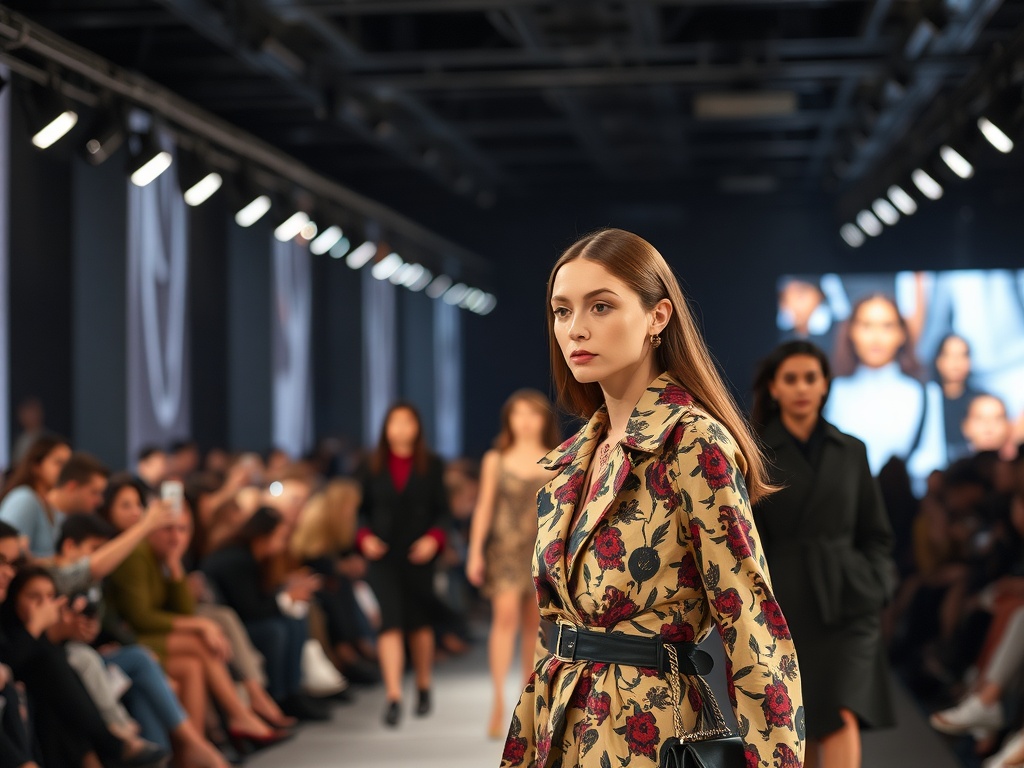
– Backstage access: Hair, makeup, and garment construction reveal the creative process and are gold for exclusive content. Backstage interviews with designers and stylists add depth that runway photos alone can’t deliver.
– Industry shifts: Hybrid shows, live-streamed presentations, and appointment-based showrooms are changing how collections are revealed and shopped. Coverage should note experiential and commerce integrations.
Content formats that perform
– Short-form video (vertical): Quick cuts of key looks, reaction clips, and behind-the-scenes moments perform best on social platforms. Aim for 15–60 second edits that highlight movement and texture.
– Long-form analysis: Deep-dive articles, trend roundups, and designer profiles remain essential for authority and SEO. Pair rich copy with runway galleries and annotation for search visibility.
– Carousel posts and galleries: Multiple-photo posts let audiences linger—include wide shots, close-ups of fabrics and accessories, and detail captions that explain why a look matters.
– Live moments: Live-stream Q&As, show reactions, and on-the-ground interviews create immediacy. Promote live windows in advance to capture viewers.
Practical coverage checklist
– Pre-show research: Know the designer’s aesthetic, previous collections, and collaborators. Identify must-see looks and prepare questions for talent.
– Equipment essentials: Fast lenses for low-light runways, a stabilized phone or gimbal for vertical video, spare batteries, and a small flash for backstage details. Quality audio captures for interviews elevate content.
– Shot list: Full-length runway shots, 3/4 views, close-ups of texture and accessories, backstage candid moments, and crowd/street-style context.
– Speed and accuracy: Publish swift visual highlights, then follow up with researched analysis.
Accurate designer credits and look descriptions are crucial for credibility.
SEO and social tips
– Keywords: Use long-tail phrases like “runway trend roundup” or “street style at Fashion Week” in headlines and meta descriptions. Alt text on images boosts discoverability.
– Hashtags and tags: Combine event-specific tags, designer handles, and platform-optimized hashtags. Tagging designers, models, and stylists increases engagement and reach.
– Repurpose: Turn a runway edit into several assets—reels, stories, static posts, and a written roundup—each tailored to platform norms and audience intent.
Ethics and storytelling
Respect model privacy and consent for backstage content. Credit creative teams prominently. Prioritize storytelling that highlights sustainability and inclusivity where relevant—audiences respond to context that connects runway choices to real-world wardrobes.
Fashion Week coverage is a blend of fast-moving visuals and thoughtful commentary.
Balancing immediate social content with researched analysis and ethical sourcing builds trust and keeps audiences returning for the next wave of trends.