How to Cover Fashion Week: A Compact Guide to Runway, Backstage & Social Strategy
Fashion Week coverage is a high-energy mix of timing, storytelling and visual strategy. Whether you’re a reporter, blogger, brand marketer or influencer, the goal is the same: capture moments that feel both immediate and evergreen. Here’s a compact guide to creating standout coverage that reaches audiences on multiple platforms and keeps content performing long after […]
Fashion Week coverage is a high-energy mix of timing, storytelling and visual strategy.
Whether you’re a reporter, blogger, brand marketer or influencer, the goal is the same: capture moments that feel both immediate and evergreen. Here’s a compact guide to creating standout coverage that reaches audiences on multiple platforms and keeps content performing long after the last show.
Start with a clear content plan
Before the first invitation arrives, map the types of content you’ll produce: live updates, street style, backstage access, trend roundups and post-show analyses. Prioritize quick-hit formats for social (Stories, Reels, TikTok clips) alongside longer-form blog or video content that deepens context.
Assign roles if you’re working with a team—who shoots runway, who handles interviews, who posts in real time.
Gear, logistics and media access
Fast, reliable gear matters more than maximum specs. A mirrorless camera with a bright prime lens is ideal for runway shots; a smartphone with a gimbal will handle run-and-gun street style and vertical video.
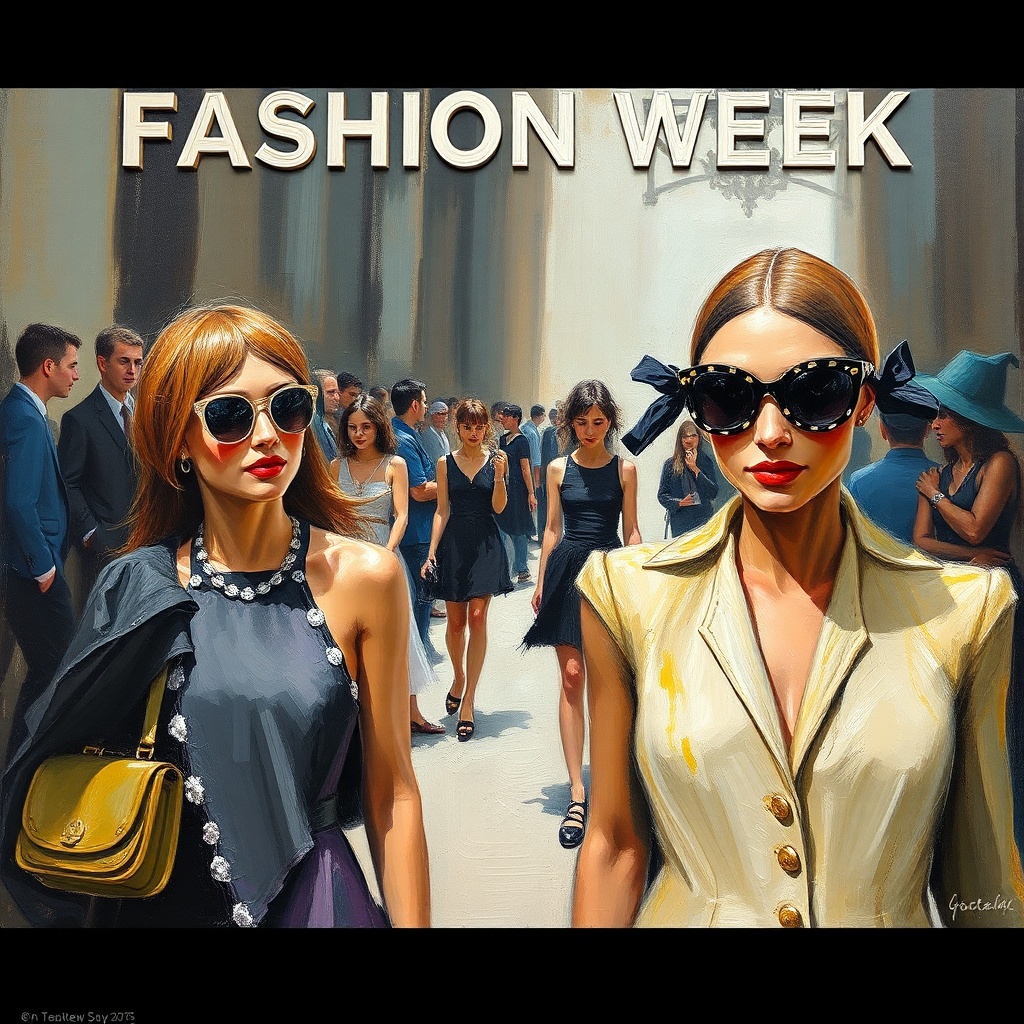
Confirm press credentials and understand photographer rules for each venue—some designers limit flash or restrict shooting angles. Know the embargo times and publishing rights to avoid legal issues.
What to shoot — the essential checklist
– Runway: full looks, close-ups of fabrics and detailing, and the finale moments.
– Backstage: hair and makeup setups, quick interviews with designers or stylists, moodboards.
– Street style: three-quarter length shots, environmental context, candid details (shoes, bags, accessories).
– Atmosphere: arrival shots, venue décor, front-row reactions.
– Video: 15–60 second clips optimized for Reels/TikTok plus a few longer-cut interviews for IGTV or YouTube.
Tell stories, not just looks
Audiences crave context. Pair visuals with quick insights: what inspired the collection, how a silhouette reinterprets tailoring, or what materials suggest about sustainability. Short captions with a hook and a single searchable keyword (for example, “runway tailoring” or “sustainable knitwear”) improve discoverability.
Tag designers, PR accounts and relevant hashtags to amplify reach.
Leverage platforms strategically
– Instagram: lead with high-quality images and short video; use Stories for BTS and immediate reactions.
– TikTok: show quick transitions, styling hacks, and trend-driven edits that invite replicability.
– Twitter/X: live tweeting is useful for punchy commentary and links to full coverage.
– YouTube/Long-form: publish roundups, trend analyses, and designer interviews for lasting authority.
Monetize and measure success
Turn traffic into revenue through affiliate links for shoppable pieces, sponsored posts, or partnerships with beauty and fashion brands. Track metrics that matter: engagement rate, watch time for videos, and conversion metrics for shoppable posts. Use UTM parameters to measure referral traffic and refine what content formats convert best.
Ethics, sustainability and sensitivity
Highlight sustainable practices when they’re genuinely part of a collection, and avoid greenwashing. Be mindful of model consent for interviews or close-up footage.
Respect cultural references and avoid sensationalizing designers’ inspirations.
After the shows
Publish a curated trend report with high-quality images and clear takeaways. Evergreen posts—“how to wear the runway’s biggest silhouettes” or “key accessory trends to shop now”—perform well across seasons. Update those posts as trends evolve to maintain search relevance.
Strong Fashion Week coverage balances speed with depth. Focus on memorable visuals, concise storytelling and platform-native formats to turn event moments into content that resonates immediately and endures.