How to Achieve Fashion Design Excellence: Craftsmanship, Circularity, and Digital Innovation
Fashion design excellence blends creative vision with rigorous craft, ethical responsibility, and smart use of technology. Designers who reach the highest level do more than produce attractive clothes; they solve problems, tell stories, and build systems that respect people and the planet while delivering garments that perform and endure. What defines excellence in fashion design?Excellence […]
Fashion design excellence blends creative vision with rigorous craft, ethical responsibility, and smart use of technology.
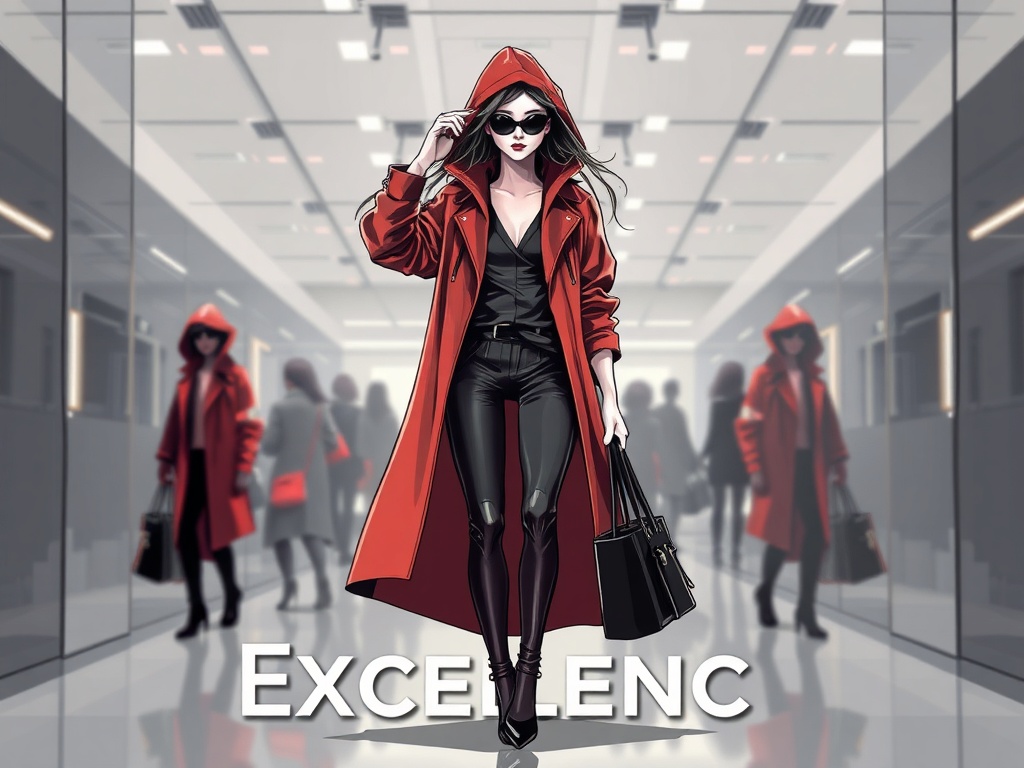
Designers who reach the highest level do more than produce attractive clothes; they solve problems, tell stories, and build systems that respect people and the planet while delivering garments that perform and endure.
What defines excellence in fashion design?
Excellence begins with concept clarity. A strong narrative—whether cultural, functional, or aesthetic—guides every decision from silhouette to stitch. That narrative is supported by deep material knowledge and technical mastery: understanding drape, tensile behavior, dye chemistry, and construction techniques ensures that a design translates from sketch to wearable reality without compromise.
Key pillars of lasting design
– Material intelligence: Selecting fabrics and trims for longevity, repairability, and lower environmental impact is central. Recycled fibers, regenerative natural fibers, and low-impact dye processes are part of a broader material strategy focused on traceability and performance.
– Pattern and construction excellence: Precise pattern-making, proportional harmony, and attention to seam allowances and finishing elevate a garment. Techniques like zero-waste cutting, modular construction, and seamless knitting reduce waste while adding functional value.
– Fit and inclusivity: Size systems that reflect diverse bodies and adaptive details that improve wearability reflect modern expectations. Smart grading, inclusive fit models, and adjustable elements (elasticated panels, modular closures) turn a beautiful garment into one that truly fits more people.
– Craftsmanship and detail: Hand finishes, thoughtful hardware choices, and durable stitching turn a trend into a staple. Quality hardware, reinforced stress points, and accessible repairs extend lifecycle and brand reputation.
– Ethical and circular thinking: Designing for longevity—repairability, disassembly for recycling, and take-back programs—aligns commercial goals with environmental stewardship. Transparency about supply chains and labor practices builds trust with increasingly conscious consumers.
– Digital and physical integration: Digital prototyping, 3D sampling, and virtual try-ons accelerate development cycles and reduce waste in sampling. Computational design tools enable complex geometry and pattern efficiencies that would be difficult by hand alone, while physical prototyping keeps tactile judgement central.
Design processes that foster excellence
A collaborative, iterative process that mixes workshops with cross-disciplinary input produces stronger results. Bringing pattern-makers, material scientists, sustainability leads, and manufacturing partners into early development avoids costly revisions later. Rapid physical prototyping combined with digital visualization allows designers to evaluate hand-feel, drape, and sizing quickly.
Storytelling and brand coherence
Excellence is not just technical; it’s communicative. A coherent brand voice—articulated through lookbooks, product copy, and in-store experience—makes design intent legible. Consumers connect with authenticity: clear provenance, transparent practices, and narratives that highlight craft or innovation resonate more deeply than ephemeral hype.
Practical steps for designers
– Audit materials and suppliers for traceability and performance.
– Invest in rigorous pattern-making and fit testing across diverse bodies.
– Prioritize modularity and repairability in product design.
– Use digital sampling to minimize waste but validate with physical prototyping.
– Tell the product story clearly to elevate perceived and real value.
Exceptional fashion design balances beauty with durability, innovation with restraint, and ambition with responsibility. When aesthetic intent aligns with technical skill and ethical choices, garments do more than clothe—they create lasting value for wearers and the wider world.