How to Achieve Fashion Design Excellence: A Practical Guide to Craftsmanship, Sustainable Materials, and Inclusive Fit
Fashion design excellence is more than a pretty silhouette or a buzzy runway moment. It’s the deliberate fusion of craft, innovation, and empathy — a practice that respects materials, the body, and the story a garment tells. Designers who achieve excellence balance technical mastery with cultural awareness, creating pieces that feel inevitable rather than trendy. […]
Fashion design excellence is more than a pretty silhouette or a buzzy runway moment.
It’s the deliberate fusion of craft, innovation, and empathy — a practice that respects materials, the body, and the story a garment tells. Designers who achieve excellence balance technical mastery with cultural awareness, creating pieces that feel inevitable rather than trendy.
Core pillars of design excellence
– Craftsmanship and construction: Superior garments rely on impeccable patternmaking, precise seam finishes, and thoughtful construction. Mastery of draping, toile development, and sewing techniques elevates design ideas from sketch to enduring product. Small details — seam allowances, interfacing choice, reinforcement at stress points — define long-term wear and perception of quality.
– Material innovation and sourcing: The smartest designers prioritize materials that perform and align with brand values.
That means knowing fiber behavior, sourcing traceable textiles, and experimenting with recycled and bio-based options without sacrificing hand or longevity. Material decisions affect drape, durability, and lifecycle impact.
– Fit and inclusivity: Fit remains a top driver of customer loyalty.
Using fit blocks adapted to diverse bodies, integrating inclusive size ranges, and testing prototypes on real people reduces returns and builds trust.
Technologies like body-scanning and virtual try-on tools can speed development but should complement human fittings.
– Sustainability and circular thinking: Excellence today includes circularity — designing for repair, disassembly, and second-life potential.
Consider modular design, mono-fiber constructions for easier recycling, and clear care instructions. Transparency about supply chains and working conditions strengthens brand credibility.
– Storytelling and brand identity: A compelling narrative gives work context.
Whether rooted in craft heritage, regional techniques, or a clear sustainability mission, consistent storytelling across product, packaging, and communications turns buyers into advocates.
– Collaboration and interdisciplinary thinking: Working with textile innovators, ethical manufacturers, technologists, and artisans expands creative possibilities. Cross-disciplinary collaboration yields new structures, finishes, and business models that single-discipline approaches miss.
Practical steps to raise design standards
1. Start with a technical foundation: Invest time in patternmaking and draping exercises. Prototyping is where concepts are tested and refined.
2.
Build a material library: Curate swatches with notations on weight, shrinkage, and care.
Reference this library during every collection to make informed design choices faster.
3. Establish fit cohorts: Test garments on a representative group of bodies and document adjustments. Use those learnings to update base blocks and grading rules.
4. Prototype with intent: Limit early-stage sampling to focused experiments that answer specific questions — structure, seam behavior, or stretch recovery — before scaling.
5. Prioritize traceability: Map your supply chain and communicate the most relevant data to customers: fiber origin, factory practices, and care guidance.
6. Iterate with feedback loops: Collect post-purchase feedback and returns data to inform future designs and reduce wasteful production.
Why it matters
Design excellence drives measurable outcomes: fewer returns, stronger brand loyalty, and better margins through reduced waste and more targeted production. It also positions a brand to adapt as consumer expectations shift toward transparency and longer-lasting wardrobes. Excellence isn’t achieved overnight; it’s built through disciplined practice, thoughtful partnerships, and a commitment to creating garments that respect people and the planet.
Ultimately, fashion design excellence means designing with purpose — technical rigor married to human-centered thinking.
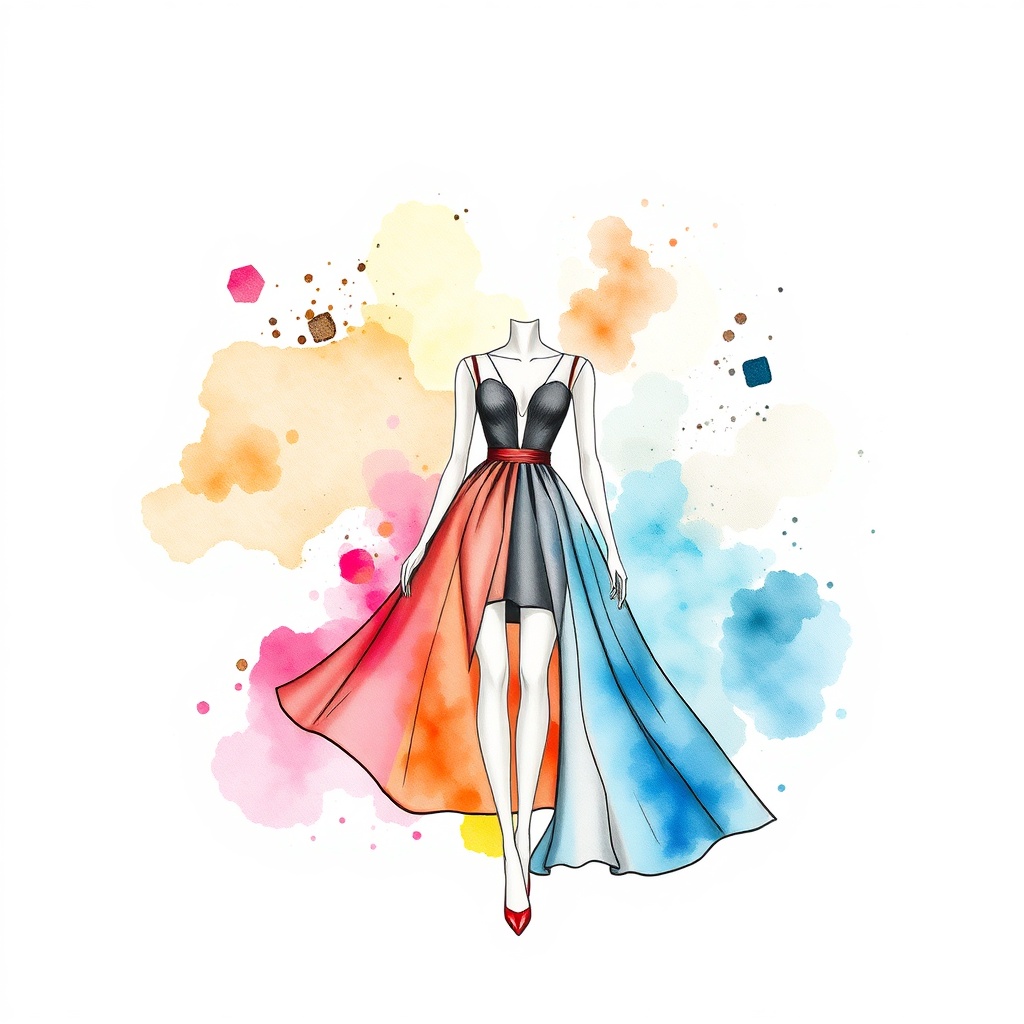
That approach creates garments people choose again and again, and brands that stand the test of time.