How Luxury Fashion Is Evolving: Craftsmanship, Circularity, Resale and Digital Experience
Luxury fashion brands are evolving beyond aesthetics and logos; they’re redefining value, relevance, and relationships with customers. Once driven purely by heritage and exclusivity, the top houses now balance craft and innovation, blending artisanal techniques with fresh business models that respond to conscious consumers and a fast-moving digital landscape. Why luxury is changingLuxury fashion brands […]
Luxury fashion brands are evolving beyond aesthetics and logos; they’re redefining value, relevance, and relationships with customers. Once driven purely by heritage and exclusivity, the top houses now balance craft and innovation, blending artisanal techniques with fresh business models that respond to conscious consumers and a fast-moving digital landscape.
Why luxury is changing
Luxury fashion brands still trade on storytelling and rarity, but modern consumers expect more than a storied archive.
They demand transparency about sourcing, a credible environmental stance, and meaningful experiences. Brands that maintain impeccable craftsmanship while adapting to these expectations retain desirability; those that don’t risk losing cultural currency.
Sustainability and circularity
Sustainability has shifted from optional marketing language to operational priority.
Many luxury houses are increasing the use of traceable materials, committing to responsible tanning and minimizing waste in ateliers. Circular initiatives—repair services, buy-back programs, and certified resale partnerships—extend product lifecycles and reinforce brand value. For customers, investing in a meticulously made handbag or coat is now also an ethical decision when brands provide repairability and clearly traceable provenance.
Resale and accessibility
The resale market is reshaping perceptions of luxury. Pre-owned platforms have normalized buying secondhand high-end items, making iconic pieces accessible while preserving exclusivity through verification and curation. Luxury brands are engaging with resale in various ways: some partner with platforms to certify authenticity, others launch their own recommerce channels. This cooperation protects brand integrity and taps into a growing audience that values sustainability and smart spending.
Collaborations and cultural relevance
Collaborations remain a powerful strategy to inject freshness into heritage labels. Partnerships with contemporary designers, artists, or cultural icons create new narratives and expand reach without diluting core identity.
Streetwear crossovers and capsule drops generate buzz, create scarcity, and bridge generations—keeping legacy houses culturally relevant while introducing them to younger, style-savvy shoppers.
Digital innovation and experiential retail
Digital channels are now essential touchpoints. Luxury fashion brands use immersive storytelling in e-commerce, virtual showrooms, and elevated customer service—think personalized styling sessions, VIP online events, and digital concierge services.
At the same time, physical retail is being reimagined as experiential spaces: flagship stores become galleries, social hubs, and cultural venues where the product is only part of the attraction.
Craftsmanship meets tech
Preserving artisanal skill is central to luxury identity, but tech enhances rather than replaces craftsmanship.
Advanced pattern-making tools, virtual prototyping, and laser precision can improve fit and reduce material waste while keeping hand-finishing integral to the final product.
Savvy brands combine traditional ateliers with selective technological interventions to raise quality and sustainability.
What savvy consumers should look for
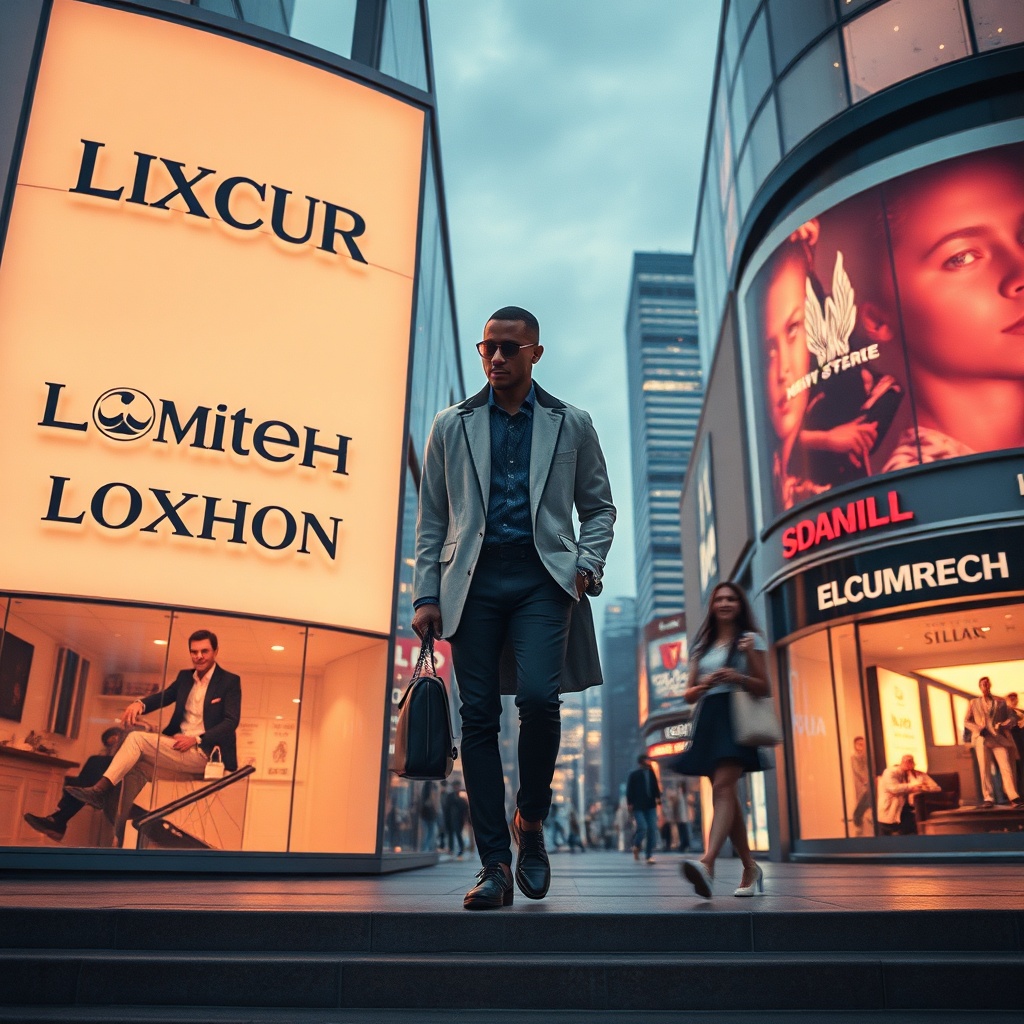
When shopping luxury, consider transparency and aftercare as indicators of long-term value. Look for clear material sourcing, repair and refurbishment services, and resale options supported or endorsed by the brand. Limited editions and collaborations can offer investment potential, while classic, well-constructed pieces often retain cultural and financial worth over time.
The future of luxury fashion brands is about harmonizing heritage with modern expectations—craftsmanship with responsibility, exclusivity with accessibility, and tactile experience with digital convenience. Brands that navigate these tensions thoughtfully will remain aspirational and economically resilient, while delivering products that matter to both collectors and conscientious consumers.