How Luxury Fashion Brands Are Reinventing Prestige: Sustainability, Digital Innovation and Craftsmanship
How Luxury Fashion Brands Are Reinventing Prestige Luxury fashion brands are redefining what prestige means by blending craftsmanship and heritage with modern values and technology. As consumer expectations shift, the top maisons are embracing sustainability, digital experiences, and new commerce models while protecting the emotional value that makes luxury desirable. Sustainability and circularitySustainability has moved […]
How Luxury Fashion Brands Are Reinventing Prestige
Luxury fashion brands are redefining what prestige means by blending craftsmanship and heritage with modern values and technology. As consumer expectations shift, the top maisons are embracing sustainability, digital experiences, and new commerce models while protecting the emotional value that makes luxury desirable.
Sustainability and circularity
Sustainability has moved from fringe initiative to strategic priority.
Luxury houses are investing in traceable supply chains, regenerative sourcing, low-impact dyes, and small-batch production to reduce waste.
Circularity—through repair services, certified resale, and rental programs—keeps pieces in use longer and reinforces the idea that luxury items are investments meant to last.
Consumers increasingly favor brands that can demonstrate provenance and reduced environmental impact without compromising quality.
Resale, rental, and recommerce
The resale market is reshaping value perceptions. High-end labels are partnering with or launching their own recommerce platforms to capture secondary-market value and maintain control over pricing and authenticity. Rental services for special occasions and short-term wardrobes make iconic pieces more accessible while preserving their cachet. For buyers, certified pre-owned offerings from the brands themselves provide peace of mind about condition and legitimacy.
Digital transformation and authenticity
E-commerce remains essential, but the digital experience now demands more than product pages. Interactive storytelling, virtual try-ons, augmented reality showrooms, and shoppable social content create richer discovery paths. To counter counterfeit challenges, many brands are deploying secure authentication tools—like blockchain-based provenance—and visible hallmarks of authenticity that appeal to collectors and first-time buyers alike.
Craftsmanship and heritage as differentiators
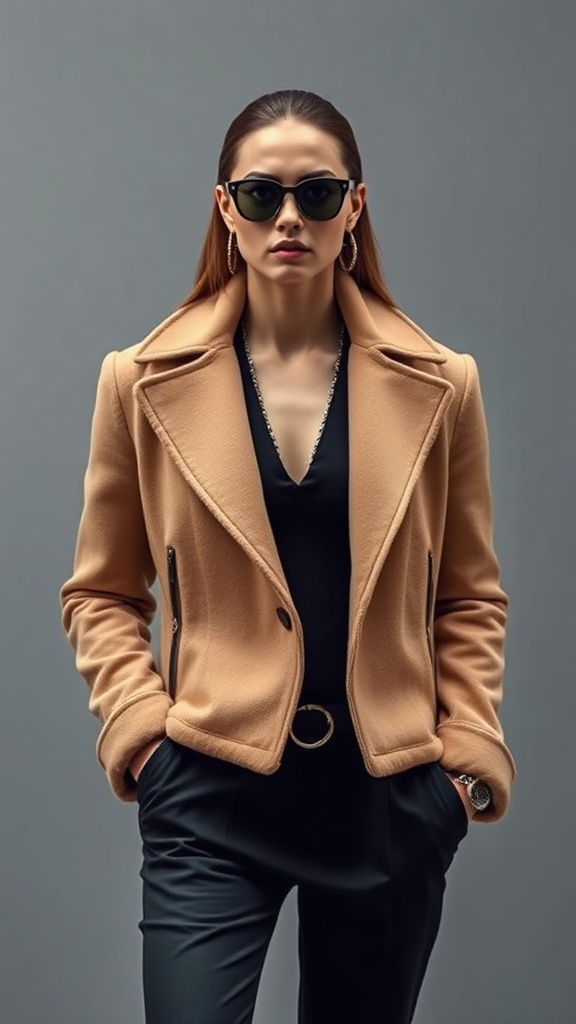
Heritage and artisanal expertise remain at the core of luxury’s appeal. Limited-edition runs, in-house ateliers, and bespoke services underscore a commitment to quality and rarity.
Brands that invest in storytelling around craft—showing the hands, techniques, and time behind a piece—turn functional attributes into emotional currency.
Collaborations and cultural relevance
Collaborations between heritage houses and influential creatives, streetwear labels, or artists generate fresh relevance and visibility. These partnerships merge different audiences and inject playfulness into established codes, while still leveraging scarcity through capsule releases and co-branded collections.
Experiential retail and concierge service
Physical retail is evolving into immersive brand theaters where curation and service matter more than square footage. Flagship stores serve as cultural hubs with exhibitions, personalized styling, and on-site ateliers.
Luxury consumers expect white-glove hospitality—seamless online-to-offline experiences, private appointments, and aftercare services that extend the relationship beyond the point of purchase.
Personalization and data-driven luxury
Personalized products and curated experiences are powerful differentiators. Data—gathered respectfully and transparently—allows brands to tailor communications, recommend rare items, and anticipate lifecycle services like resizing or restoration. Balancing personalization with privacy is critical to maintaining trust.
What savvy shoppers should look for
– Provenance and transparency: clear information on materials and manufacturing.
– Aftercare and repair services: evidence the brand stands behind longevity.
– Certification on resale platforms: guarantees of authenticity and condition.
– Unique storytelling: craftsmanship narratives that justify price and rarity.
– Omnichannel convenience: seamless options across online and in-store touchpoints.
Luxury fashion is no longer just about logos and exclusivity; it’s about a coherent promise that blends timeless craftsmanship with responsible practices, meaningful experiences, and technological safeguards. Brands that succeed are those that preserve the emotional core of luxury while adapting how they create, sell, and care for their products. For buyers, choosing wisely means prioritizing provenance, durability, and the services that keep treasured pieces in circulation for years to come.