How Fashion Week Coverage Is Changing: Livestreams, Shoppable Runways & Short‑Form Video
Fashion Week Coverage: How the Runway Conversation Is Changing Fashion Week coverage has evolved beyond front-row sketches and glossy magazine spreads. The conversation now lives across livestreams, short-form video, interactive shopping and real-time street style, making the season more accessible and dynamic than ever. Whether you’re a journalist, influencer, brand marketer or a fan, understanding […]
Fashion Week Coverage: How the Runway Conversation Is Changing
Fashion Week coverage has evolved beyond front-row sketches and glossy magazine spreads. The conversation now lives across livestreams, short-form video, interactive shopping and real-time street style, making the season more accessible and dynamic than ever.
Whether you’re a journalist, influencer, brand marketer or a fan, understanding the new rhythms of coverage helps you capture attention and shape cultural moments.
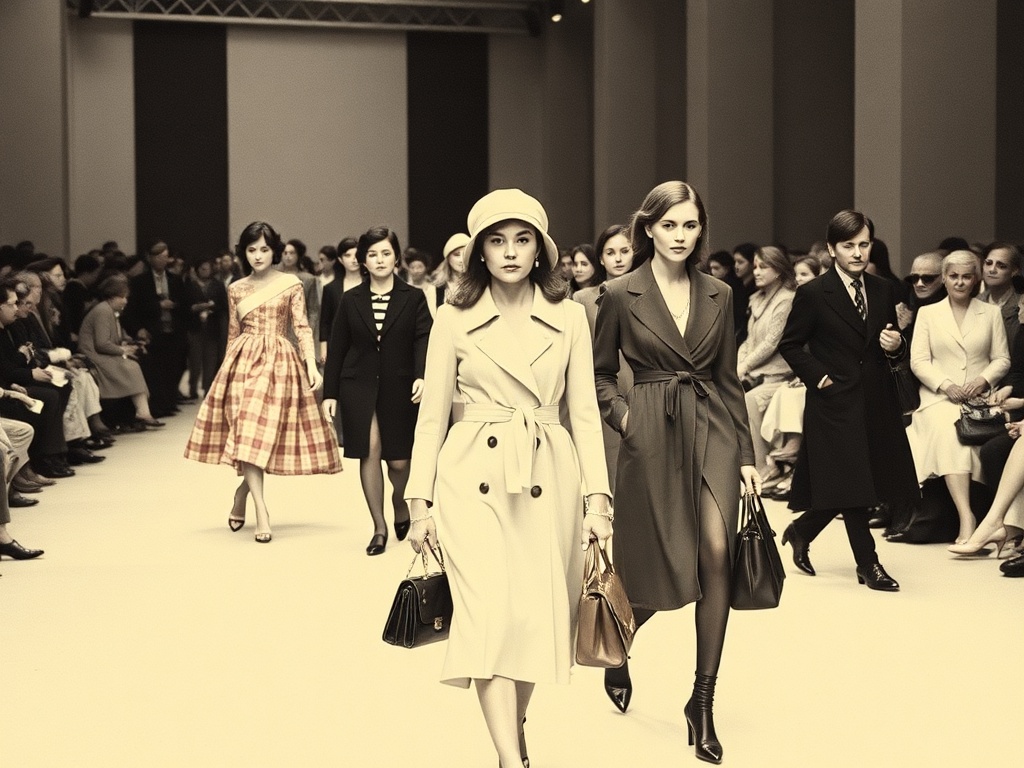
What’s driving the shift
The biggest change is the blend of physical and digital experiences. Designers still stage theatrical shows, but many supplement them with behind-the-scenes content, exclusive interviews and shoppable capsules. Social platforms and streaming services act as distribution channels, amplifying reach and accelerating content cycles. At the same time, audiences expect immediacy—clips, reactions and outfit breakdowns appear within minutes of a show’s final walk.
Key trends worth covering
– Bite-size storytelling: Short-form video dominates. Quick edits of standout looks, makeup details and soundtrack snippets perform best for broad engagement.
– Shoppable runways: Embedded links and in-app checkout make runway-to-closet faster, turning coverage into commerce.
– Sustainable narratives: Materials, production techniques and circular strategies are noteworthy editorial hooks that resonate with conscious consumers.
– Diverse casting and inclusivity: Representation on the runway informs editorial direction and brand perception; profiling casting choices adds depth to coverage.
– Street style as a feature: Photographers and editors treat street looks as complementary shows, highlighting how attendees translate runway language into everyday wear.
How to cover Fashion Week effectively
– Plan for speed and substance: Prepare templates for show recaps, image galleries and social posts so you can publish quickly without losing nuance.
– Prioritize multi-platform storytelling: Tailor content to each channel—longform interviews for video platforms, carousel posts for visual discovery, and concise takeaways for newsletters.
– Leverage micro-influencers: They offer authentic amplification and often deliver higher engagement with niche audiences compared to celebrity placements.
– Use color and detail-focused captions: Readers engage with specifics—fabric, silhouette, stitching—so combine visual storytelling with informative copy.
– Build authority through commentary: Quick expert quotes on trends or sustainability choices elevate coverage beyond mere reporting.
Stories that move the needle
Audiences respond to narratives that connect runway aesthetics to lived experiences. Coverage that traces a garment’s lifecycle, highlights an emerging designer’s origin story, or examines a brand’s sustainability commitments will often outperform generic show notes. Profiles and trend explainers help readers interpret what the runway means for their wardrobe choices.
Measuring impact
Engagement metrics should go beyond impressions. Track video completion rates, saves/shares, click-throughs to commerce, and newsletter sign-ups generated by Fashion Week content. These indicators reveal how coverage converts interest into action and inform future content strategies.
Opportunities for brands and creators
Fashion Week remains a prime moment to launch collaborations, test limited-edition drops and experiment with interactive formats like live Q&As or AR try-ons. For creators, exclusive access and authentic storytelling often lead to ongoing partnerships with brands seeking credible voices.
Fashion Week coverage now mixes speed with storytelling, commerce with culture, and spectacle with substance. The most effective coverage connects runway visuals to meaningful context—whether that’s sustainability, craftsmanship, or how a trend fits into everyday life—so audiences leave informed, inspired and ready to engage.