How Fashion Week Coverage Has Evolved: Livestreams, Replays, and What Readers Want Now
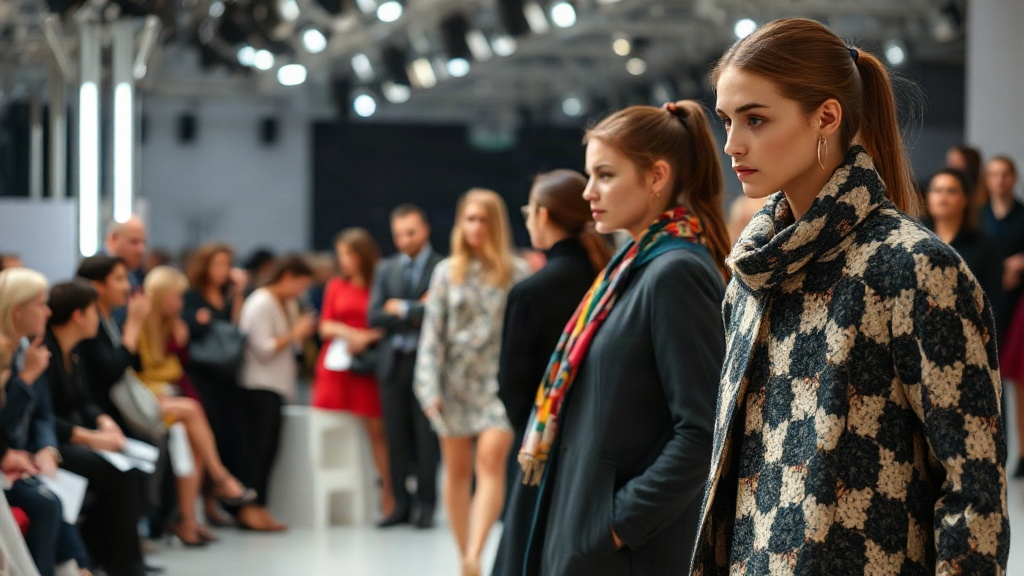
Fashion week coverage has changed more in the last few seasons than in the previous couple of decades. The runway is still the centerpiece, but the way audiences experience it is now split across livestreams, on-demand replays, front-row social clips, after-party galleries, and long-form critical reviews. For readers, brands, and publishers, understanding that shift is the key to understanding what makes coverage worth reading today.
The Livestream Has Become the New Front Row
Not long ago, a show was something you read about the next morning. Now audiences expect to watch it as it happens, and to catch up later if they miss it. Vogue's rewatch guide for its Milan edition of Vogue World is a good example. Publishing a "how to rewatch" explainer shows that the event doesn't end when the livestream does. The replay becomes its own piece of search-friendly, evergreen content.
For anyone producing fashion content, the lesson is clear. A live moment creates a spike in attention, but the replay captures the long tail. People search for "how to watch" and "where to stream" well after the lights go down, and coverage that answers those questions directly keeps earning traffic for weeks.
Beyond the Runway: Parties, Cover Stars, and Cultural Moments
Some of the most-shared fashion week stories never happen on a catwalk. British Vogue's Paris Fashion Week party celebrating cover star Tyla is a good illustration. A celebration like that combines fashion, music, and celebrity in a single story, and it gives readers something the show reports can't: atmosphere, guest lists, and the sense of who is shaping the conversation.
This kind of coverage works because it turns the schedule into a narrative. Fashion week is a series of connected scenes, from the morning presentation to the late-night dinner, and readers enjoy following the thread. Publishers who treat these side events as stories rather than filler tend to build stronger loyalty.
Collections Still Anchor the Conversation
Even with all the spectacle, the collections themselves remain the backbone of fashion week coverage. Vogue's ready-to-wear show hubs, organized by season and designer, show why. A well-structured archive lets readers move from a single look to a full collection and then to a comparison across cities, and it gives search engines a clear map of the content.
Strong collection coverage usually does a few things well:
- Leads with a clear point of view. Instead of listing every look, it names the idea driving the collection, whether that's tailoring, texture, or a nostalgic reference. - Connects shows to wider trends. Readers want to know whether a silhouette appeared once or across several houses. - Offers practical takeaways. Translating runway ideas into wearable pieces helps coverage resonate beyond industry insiders.
What Readers Want From Coverage Now
With fashion month recently wrapped and attention moving toward resort and pre-collection presentations, it's a useful moment to consider what audiences actually value. Three things stand out.
First, speed with substance. Fast posts get attention, but thoughtful analysis keeps it. The best outlets pair real-time updates with considered reviews.
Second, accessibility. Not everyone can attend, so clear streaming information, organized galleries, and plain-language explanations matter. Fashion week has become a global audience event, and coverage should reflect that.
Third, authenticity. Readers are quick to notice when coverage is simply promotional. Honest critique, specific details, and a distinct voice build trust, particularly when social feeds are crowded with near-identical content.
Building Coverage That Lasts
For brands and writers, the strategy is to treat each fashion week moment as a content ecosystem. Pair a live post with a replay guide. Follow a runway report with a trend breakdown. Turn a party recap into a profile of the cultural figures involved. Each layer serves a different reader and a different search intent, and together they create a body of work that remains useful long after the season ends.
Fashion week will keep evolving, but its core appeal is steady: it's where creativity, commerce, and culture meet in public. The coverage that thrives is the kind that helps readers feel they were in the room, whether they watched from the front row or from a phone screen halfway around the world.