High-End Fashion’s New Era: Sustainable Luxury, Quiet Design, and Craftsmanship That Last
High-end fashion is shifting from showy logos to considered design, blending craftsmanship with forward-thinking innovation. Luxury houses and independent ateliers alike are reimagining what premium dressing means, and the result is a richer, more wearable landscape for shoppers who want pieces that last beyond seasonal cycles. Sustainable luxury and circularitySustainability has moved from niche to […]
High-end fashion is shifting from showy logos to considered design, blending craftsmanship with forward-thinking innovation. Luxury houses and independent ateliers alike are reimagining what premium dressing means, and the result is a richer, more wearable landscape for shoppers who want pieces that last beyond seasonal cycles.
Sustainable luxury and circularity
Sustainability has moved from niche to table stakes in luxury fashion. Premium brands are investing in traceable materials, regenerative sourcing, and durable construction that emphasizes repairability. Circular initiatives—resale partnerships, repair services, and buy-back programs—are reshaping ownership models, making it easier to treat expensive pieces as long-term investments rather than disposable trends.
Quiet luxury and elevated basics
The quiet luxury movement continues to influence wardrobes: understated silhouettes, impeccable tailoring, and luxe materials replace loud branding. High-quality coats, knitwear, and shirting in neutral palettes form the backbone of this approach. The emphasis is on proportion, fabric weight, and finish—details that read as sophistication rather than ostentation.
Tech and material innovation
Innovation in textiles and wearable technology is expanding what luxury can do.
Performance-driven coatings that are water- and stain-resistant, breathable technical leathers, and sustainably processed silks enable garments that look refined but function for modern life. Smart elements—discreet temperature regulation or app-linked care instructions—are appearing in limited-edition pieces, marrying usability with couture-level finish.
Gender fluidity and tailoring
Gender-neutral design and a focus on fit are reshaping designer collections. Tailoring has become more adventurous: relaxed suiting, adjustable waists, and modular pieces that work across wardrobes. This versatility appeals to a wider buyer and encourages investment in pieces that can be styled multiple ways.
Accessories as personality drivers
Accessories now carry the narrative. Bold yet refined handbags, statement hardware, and sculptural boots are the investment pieces shoppers use to refresh existing wardrobes. Jewelry is trending toward architectural forms and mixed materials—pieces meant to be layered and worn for years. Footwear blends comfort engineering with couture silhouette, making practical luxury a priority.
Vintage, craftsmanship, and heritage
There’s renewed interest in vintage and archival aesthetics. Hand-stitched details, artisanal finishes, and regional techniques are highlighted as brands show provenance. Savvy shoppers look to heritage brands for longevity and to vintage marketplaces for rare finds that hold value—both choices align with more conscious consumption.
Resale, rental, and customization
Secondary markets and rental services are now integral to the luxury ecosystem. They offer access to rare styles and lower barriers to trying high-end pieces.
Customization—bespoke linings, monogramming, and made-to-measure options—adds personal value and reinforces the collectible nature of luxury purchases.
How to adopt high-end trends
– Prioritize fit and fabric: invest in tailoring and choose natural, durable materials.
– Start with accessories: update bags or shoes to refresh multiple outfits.
– Embrace circular solutions: buy pre-owned or use brand repair services.
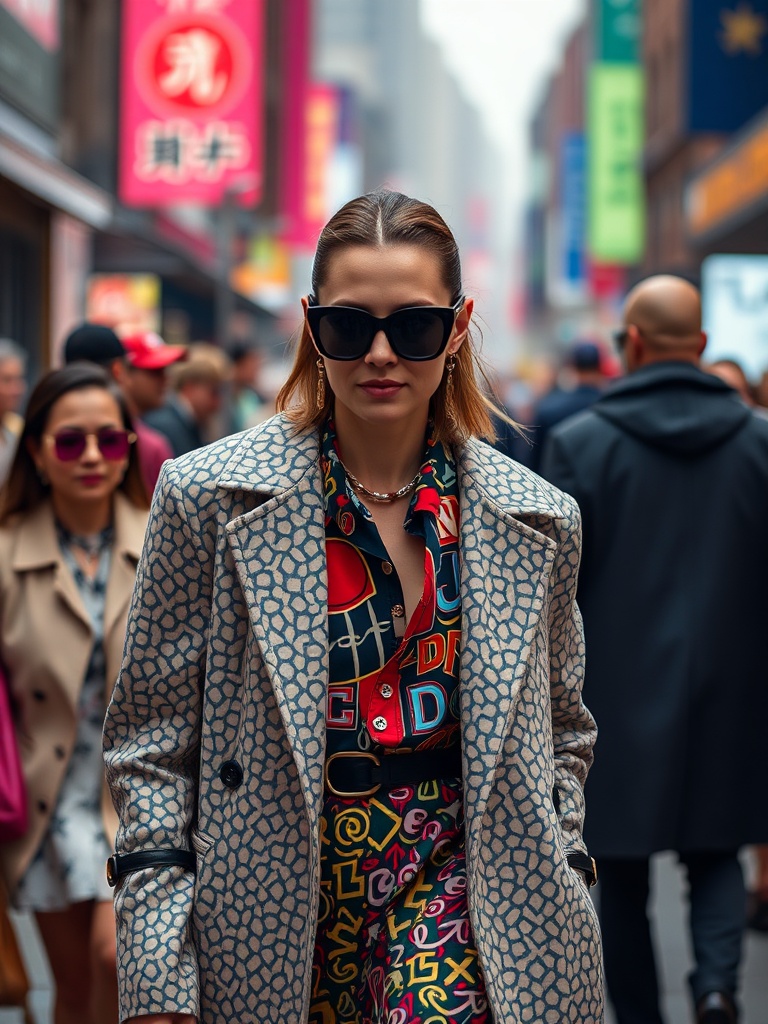
– Mix quiet luxury pieces with one statement item to balance restraint and personality.
Today’s luxury consumer seeks pieces that perform aesthetically and practically, with stories behind their creation.
By focusing on craftsmanship, sustainability, and thoughtful styling, high-end fashion is becoming both more wearable and more meaningful—encouraging purchases that are enjoyed for seasons to come.