Haute Couture vs Ready-to-Wear: A Guide to Bespoke Craftsmanship, Materials, and Authenticity
Haute couture is more than clothing — it’s a living archive of technique, luxury and personal expression. Defined by bespoke construction, obsessive attention to detail and an atelier ecosystem of skilled artisans, couture occupies a unique space between wearable art and cultural heritage. For anyone curious about how couture differs from ready-to-wear, the distinctions are […]
Haute couture is more than clothing — it’s a living archive of technique, luxury and personal expression. Defined by bespoke construction, obsessive attention to detail and an atelier ecosystem of skilled artisans, couture occupies a unique space between wearable art and cultural heritage. For anyone curious about how couture differs from ready-to-wear, the distinctions are clear: couture garments are made-to-measure, hand-finished, and built around a client’s body and vision rather than mass production.
Craftsmanship is the beating heart of couture. From hand-rolled hems and intricate needlework to complex draping and couture-level tailoring, each piece can involve hundreds of collective hours from pattern cutters, embroiderers, seamstresses and milliners. Fabrics are chosen for their drape and reaction to hand manipulation — silk, organza, couture-grade tulle and specialty jacquards are staples — while embellishment techniques like tambour beading, goldwork and hand-appliqué transform garments into one-of-a-kind masterpieces. The process typically includes multiple fittings, toile iterations and final adjustments that ensure the garment moves, flatters and endures.
Presentation is part ritual. Couture houses traditionally unveil collections in intimate salons or at dedicated shows that emphasize workmanship over volume, giving clients, editors and collectors a chance to examine construction up close.
Red-carpet culture and high-profile clients help amplify couture’s visibility, but the true value lies in provenance and the relationship between house and client. A couture piece often carries the atelier’s mark — the invisible signature of hand sewing, patterning choices and finishing techniques that signal authenticity.
The couture world is evolving without losing its core. Sustainability and responsible sourcing have become important talking points, prompting houses and ateliers to explore slow-fashion practices such as zero-waste pattern cutting, fabric recycling and repurposing vintage bodies into new creations.
Technology is also entering the fold in subtle ways: 3D-printed embellishments, digital patterning tools and virtual fittings can enhance — not replace — artisanal skill. Digital presentations and personalized virtual showrooms expand access while preserving the exclusivity of bespoke service.
If you’re learning to appreciate couture, focus on these indicators of true value:
– Construction: look for hand-stitching, clean seam allowances and evidence of internal supports like horsehair braids or hand-stitched linings.
– Materials: assess fabric quality and weight; couture textiles often feel denser or more complex than off-the-rack equivalents.
– Fit and finish: bespoke garments will contour precisely to the body with polished hems and invisible reinforcements.
– Documentation: provenance, atelier notes or signed sketches add collectible value.
– Care: proper storage, specialist cleaning and periodic conservation preserve longevity.
Owning couture used to mean outright purchase; now options include bespoke commissions, private fittings, long-term rentals and curated resale marketplaces that specialize in authenticated pieces.
For collectors, couture can be both emotional and financial capital — a testament to craft and a connection to a house’s creative legacy.
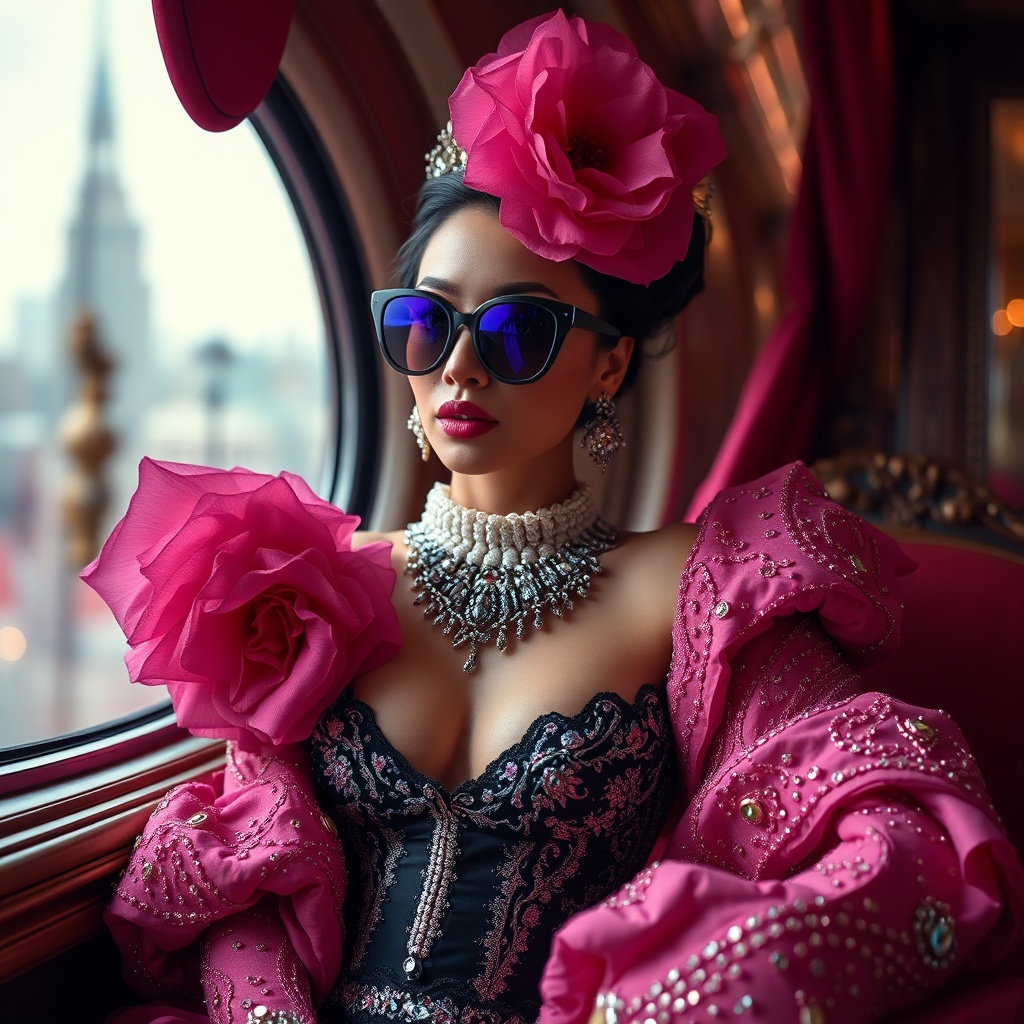
Couture continues to command fascination because it marries technical mastery with imaginative design. Whether admired in a salon, worn on a red carpet or studied up close in a museum, couture remains a powerful reminder of what skilled hands and deliberate time can create.