Haute Couture vs Couture: Why Handcrafted Luxury Still Matters
Haute Couture vs Couture: Why Handcrafted Luxury Still Matters Couture and haute couture occupy a unique corner of fashion: where meticulous craftsmanship, storytelling and extreme personalization come together. While ready-to-wear dominates the marketplace, couture remains the workshop of ideas — a place where technique is preserved, innovation is tested, and garments are treated as wearable […]
Haute Couture vs Couture: Why Handcrafted Luxury Still Matters
Couture and haute couture occupy a unique corner of fashion: where meticulous craftsmanship, storytelling and extreme personalization come together.
While ready-to-wear dominates the marketplace, couture remains the workshop of ideas — a place where technique is preserved, innovation is tested, and garments are treated as wearable art.
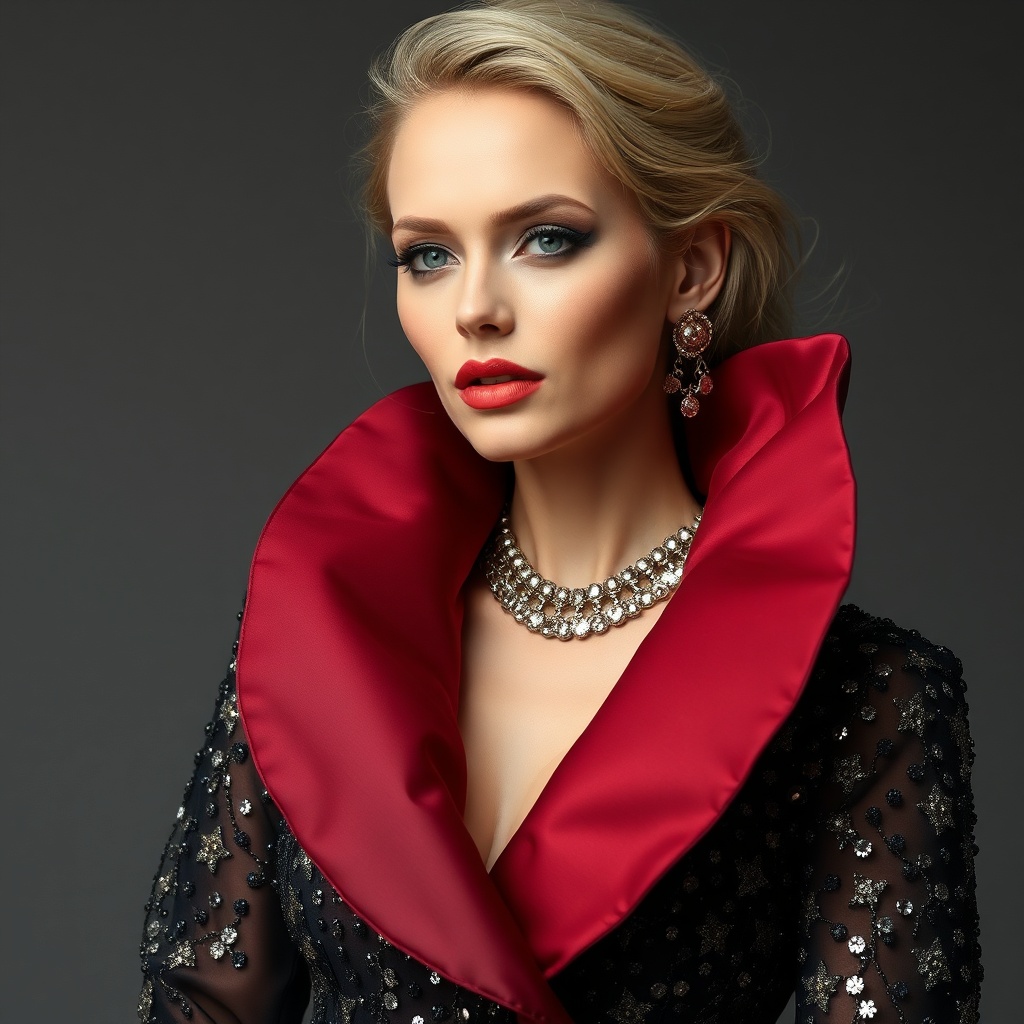
What defines haute couture
Haute couture is more than bespoke tailoring; it’s a protected tradition tied to strict standards, exclusive client service and in-house artisanal work. These pieces are made to order for individual clients, developed through multiple fittings, and executed largely by hand. The result is a garment that fits the body as precisely as a second skin and often features hand embroidery, intricate beading, delicate pleating and couture tailoring techniques that machines cannot replicate.
Craftsmanship and the ateliers
At the heart of couture are ateliers — specialized workshops where master seamstresses, embroiderers, milliners and pattern cutters collaborate. Techniques such as hand-sewn boning, horsehair hemming, silk organza understructures and couture hand-finishing are taught through apprenticeship and years of practice. Many couture houses partner with independent artisan workshops that specialize in embroidery, feather work, or jewelry-like ornamentation, sustaining centuries-old trades and regional craft economies.
Couture as R&D and brand halo
Couture’s impact extends beyond the one-of-a-kind gown. It functions as a laboratory for innovation: surface techniques, new fabric manipulations and silhouette experiments developed in couture often filter down into ready-to-wear and accessory lines. From novel textiles to advanced dyeing or new methods of applique, couture keeps luxury brands culturally relevant and creatively influential, boosting desirability across the business.
Modern trends shaping couture
Sustainability has become a key focus. Some couture ateliers are adopting low-waste patternmaking, repurposing vintage trims, and sourcing deadstock silks to reduce environmental impact without sacrificing luxury.
Digital tools are also entering the couture workflow — from 3D-printed ornamentation and laser-cut lace to digital embroidery programming — used sparingly to enhance, not replace, handcraft.
Client experience and access
Traditionally reserved for an elite clientele, couture is becoming more visible through digital lookbooks, private trunk shows and museum collaborations. Celebrities and cultural institutions continue to showcase couture on red carpets and exhibitions, reinforcing its symbolic value. Some houses now offer made-to-measure or bespoke services at different price points, opening parts of the couture experience to a broader luxury audience while preserving full haute couture for private commission.
Preserving intangible cultural heritage
Couture plays an important role in cultural preservation. By keeping artisanal techniques alive, ateliers pass on skills that would otherwise disappear. Investment in training programs, partnerships with craft schools and committed patronage ensures these métiers continue to thrive. Museums and archives also help document couture’s history, reinforcing its status as part of a shared cultural legacy.
Why couture still matters
More than a status symbol, couture stands for intentionality: garments conceived and executed with time, skill and narrative. For brands, couture builds credibility and creative freedom. For clients and collectors, it offers an intimate expression of personal style and craft appreciation.
As fashion evolves, couture remains a vital intersection of heritage, innovation and luxury — a reminder that some creative processes are worth doing by hand.