Haute Couture vs Couture: The Essential Guide to Ateliers, Craftsmanship, and Buying Luxury
Haute couture and couture represent the pinnacle of fashion craftsmanship — garments built around limitless creativity, meticulous handwork, and singular client experience. While often used interchangeably in conversation, there’s a meaningful distinction: couture refers broadly to custom, made-to-measure garments crafted with high-level techniques, whereas haute couture denotes the rarefied, officially recognized tradition of French couture […]
Haute couture and couture represent the pinnacle of fashion craftsmanship — garments built around limitless creativity, meticulous handwork, and singular client experience. While often used interchangeably in conversation, there’s a meaningful distinction: couture refers broadly to custom, made-to-measure garments crafted with high-level techniques, whereas haute couture denotes the rarefied, officially recognized tradition of French couture houses that meet strict standards set by the governing French federation.
What makes couture special is the atelier: a workshop where skilled artisans translate sketches into three-dimensional masterpieces.
Techniques like hand embroidery, hand-sewn hems, silk organza layering, and intricate beading are common. Patterning and multiple fittings ensure the silhouette is sculpted exactly to the client’s body. That attention to fit and finish—combined with often-precious fabrics and trims—creates garments that are both wearable art and durable heirlooms.
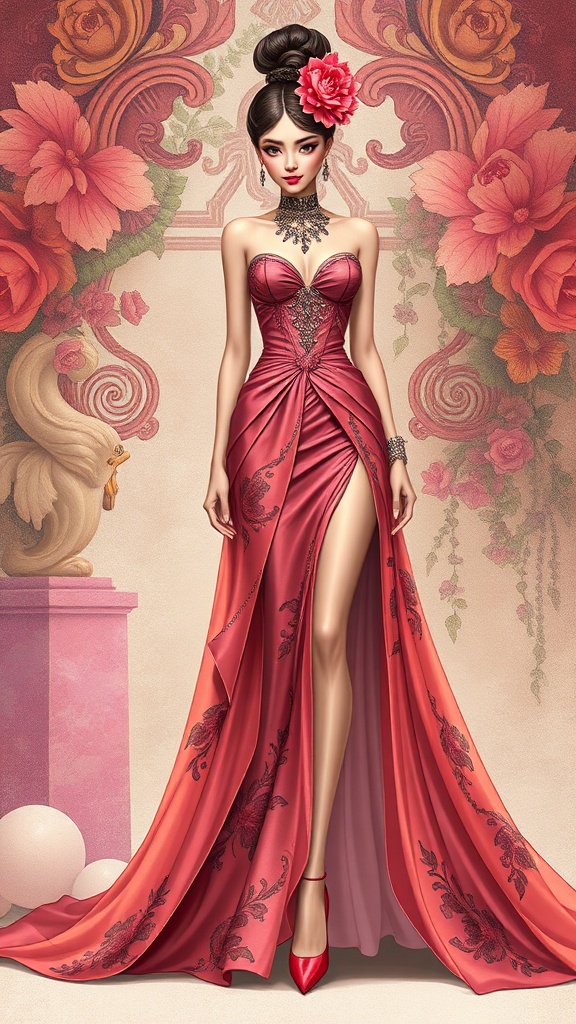
Haute couture’s influence extends far beyond private salons. Runways, red carpets, and fashion weeks draw inspiration from couture innovation; those ideas trickle down into seasonal ready-to-wear collections, luxury bridal, and even high-end streetwear collaborations. The detailing that begins in a couture atelier often informs the fabrication techniques and trims that become accessible to a broader market later.
Modern couture balances tradition with innovation.
Digital presentations and private virtual viewings have opened exclusive access for a global clientele, while ateliers experiment with new materials and construction methods. Sustainability and circularity are increasingly present: many houses prioritize responsibly sourced fabrics, zero-waste pattern cutting, and restoration services. Upcycling and couture-ready vintage pieces are gaining traction among collectors who value provenance and longevity over fast trends.
Buying couture is both a practical and emotional choice. Practical considerations include the bespoke process—expect several fittings and lead times that reflect the handcraft involved—and the aftercare: cleaning, storage, and occasional restoration. Emotional returns come from owning a one-off creation tailored to personal taste and memory. For buyers, looking for provenance, detailed workmanship, and atelier support for alterations and conservation are key indicators of lasting value.
For collectors and enthusiasts, visiting an atelier or arranging a private appointment offers rare insight into technique and material. When attending showcases, observe seam finishes, embroidery knots, and inner construction—these details tell the story of a garment’s craftsmanship. Photographs and certified documentation help maintain provenance for future resale or insurance.
Couture also plays a cultural role. It preserves specialized skills—embroidery, millinery, pleating—that can be lost without active patronage and apprenticeship programs. Many couture houses now invest in training initiatives and cross-disciplinary collaborations to keep these techniques alive, ensuring that artisanal knowledge is passed to new generations.
Whether admired from the outside or worn as a personal statement, couture celebrates human skill and imagination.
It remains a vibrant corner of the fashion world where craftsmanship meets creativity, and where the future of luxury often begins. For anyone curious about couture, the best step is to explore atelier events, follow house collections, and approach pieces as both statements of style and guardians of craftsmanship.