Haute Couture Guide: Craftsmanship, Atelier Secrets, Commissioning & Care
Haute Couture remains the ultimate expression of luxury and craftsmanship, where fashion becomes art and garments are treated as wearable masterpieces. For anyone interested in couture—whether as a collector, a creative professional, or an admirer of refined technique—understanding what sets Haute Couture apart reveals why it continues to captivate the fashion world. What makes Haute […]
Haute Couture remains the ultimate expression of luxury and craftsmanship, where fashion becomes art and garments are treated as wearable masterpieces. For anyone interested in couture—whether as a collector, a creative professional, or an admirer of refined technique—understanding what sets Haute Couture apart reveals why it continues to captivate the fashion world.
What makes Haute Couture different
Haute Couture refers to custom-made clothing produced by ateliers that uphold exacting standards of design, construction, and fit. Unlike ready-to-wear, each piece is hand-cut, sewn, and often embroidered by highly skilled artisans. The result is a garment tailored precisely to a client’s measurements and preferences, with construction techniques that prioritize longevity, structure, and flawless finish.
The atelier and the artisans
At the heart of couture is the atelier — a workshop where patternmakers, seamstresses, embroidery studios, milliners, and tailors collaborate.
These artisans often train for many years to master specialized techniques such as hand beading, tambour embroidery, pleating by hand, and complex draping. Savoir-faire is the guiding principle: accumulated knowledge passed on through apprenticeships that preserves rare methods and elevates every stitch.
The creative process
A couture commission usually begins with a private consultation where the client discusses vision, silhouette, materials, and budget. Designers draft a pattern and produce multiple fittings to refine proportions and ensure perfect movement. Many couture pieces incorporate unique materials — from hand-dyed silks to rare feathers — and may include custom-developed textiles created specifically for the client’s look.
Couture as slow, sustainable luxury
Couture often aligns with slow-fashion values because each piece is made-to-order and built to last.
The intensive labor and high-quality materials mean fewer garments are produced, and those that are made can be restored and altered for decades. Increasingly, couture houses emphasize sustainability through responsible sourcing, reworking archival fabrics, and offering repair and restoration services that extend a garment’s life.
Cultural influence and red carpet moments
Even when not worn by the general public, couture shapes broader fashion trends.
Runway silhouettes, embroidery styles, and fabric innovations trickle down to ready-to-wear and bridal collections. Red carpet appearances and editorial shoots showcase couture’s drama and craftsmanship, reinforcing its role as a cultural touchstone and marketing beacon for luxury brands.
How to commission or care for couture
Commissioning a couture piece requires patience and clear communication. Expect multiple fittings and an ongoing dialogue about materials and details.
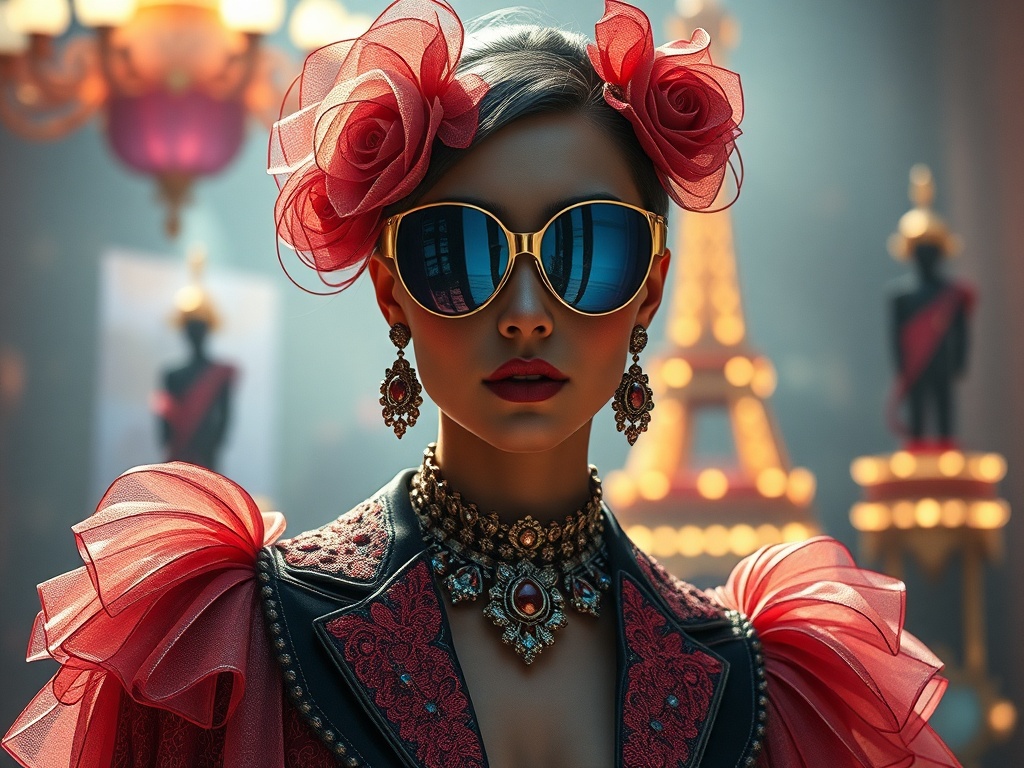
Budget accordingly — prices reflect the hours of handwork and the rarity of materials. Caring for couture demands professional cleaning and careful storage; many owners use archival boxes, acid-free tissue, and trusted conservators for restoration.
Access and digital evolution
Couture is traditionally private, but the landscape is evolving.
Many ateliers now offer virtual consultations, digital lookbooks, and private showroom viewings, making the process more accessible for international clients.
Social platforms and multimedia storytelling allow ateliers to showcase craftsmanship to wider audiences while still preserving the intimacy of the commission process.
Why couture endures
Haute Couture endures because it represents a unique fusion of creativity, skill, and personal luxury. It’s less about fast trends and more about storytelling expressed through fabric, technique, and silhouette. For those who value rarity, meticulous workmanship, and garments that carry a personal narrative, couture remains an unparalleled investment in beauty and craft.