Haute Couture Explained: Inside Bespoke Craftsmanship, Atelier Artistry, and Sustainable Luxury
Haute couture is the ultimate expression of fashion as art — a world where handcraftsmanship, exacting standards, and extreme personalization converge to create garments that are as much sculpture as clothing. While “couture” often refers broadly to custom-made fashion, haute couture denotes the most rigorous, atelier-driven end of the spectrum: one-of-a-kind pieces built entirely by […]
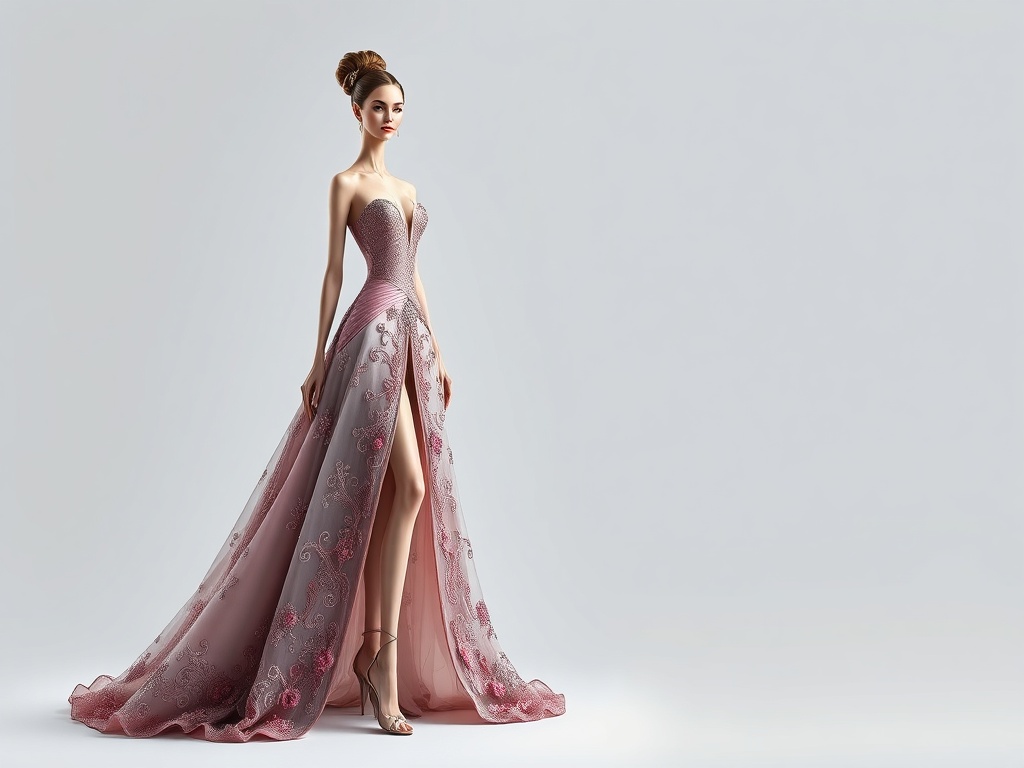
Haute couture is the ultimate expression of fashion as art — a world where handcraftsmanship, exacting standards, and extreme personalization converge to create garments that are as much sculpture as clothing. While “couture” often refers broadly to custom-made fashion, haute couture denotes the most rigorous, atelier-driven end of the spectrum: one-of-a-kind pieces built entirely by skilled artisans for an individual client.
What sets haute couture apart
– Bespoke construction: Every couture gown begins with a client consultation and multiple fittings.
Pattern-making, toile fitting, and final assembly are tailored to the wearer’s body and preferences, ensuring an impeccable fit and unique silhouette.
– Handcrafted detail: From intricate needlework and tambour embroidery to hand-set beads and couture pleating, most finishing is done by hand. These labor-intensive techniques create depth and texture that machine processes cannot replicate.
– Atelier collaboration: A network of specialized ateliers — seamstresses, embroiderers, milliners, and lace-makers — work together on a single piece. These métiers d’art preserve centuries-old techniques and sustain artisanal communities.
– Quality of materials: Couture houses source rare fabrics, custom-developed prints, and exclusive trims. The textiles themselves are often woven or dyed specifically for a commission.
Why couture still matters
Couture persists because it delivers something that mass production cannot: individuality and longevity.
Couture is an investment in both style and craftsmanship.
Many clients view couture pieces as heirlooms, garments that will be cared for, restored, and passed down. Designers use couture as a laboratory for innovation — exploring new silhouettes, surface work, and construction methods that later trickle into ready-to-wear collections.
Bridging tradition and innovation
Today, couture balances deep respect for tradition with forward-looking experimentation. Contemporary ateliers embrace modern technologies — precision laser cutting, 3D printing accents, and digital patterning — while maintaining handwork where it matters most. Collaborations with artists, sculptors, and craftspeople expand the vocabulary of couture, producing garments that blur the line between fashion and fine art.
Sustainability and slow fashion
Couture naturally aligns with slow-fashion principles: small runs, durable construction, and repairability. More maisons are integrating sustainable practices by sourcing responsibly produced textiles, upcycling archival fabrics, and offering repair and alteration services to increase a garment’s lifecycle.
The emphasis on repair and preservation counters disposable culture and reinforces the value of enduring design.
How clients experience couture
The couture experience is highly personal. Clients often participate in the design process, choosing fabrics, trims, and silhouette details. Fittings are iterative and meticulous, with each stage refining the garment’s fit and movement. For bridal and red-carpet moments, couture provides unmatched confidence: a made-to-measure garment moves with the wearer and photographs with depth and nuance.
Caring for couture
Proper care ensures a couture piece remains pristine. Professional cleaning by specialists, careful storage, and periodic conservation maintain fabric integrity and embellishments. Many houses offer aftercare services, reinforcing the lifecycle approach couture demands.
Why couture resonates now
As consumers seek meaningful purchases, haute couture’s emphasis on craft, provenance, and personalization feels increasingly relevant. Whether admired on the runway, commissioned for a life event, or studied as wearable art, couture continues to influence mainstream fashion and to celebrate the human skill behind every stitch.