Haute Couture Explained: Inside Atelier Craftsmanship, Sustainability and Modern Innovation
Couture and haute couture occupy a mythic place in fashion: worlds where creativity, precision and rarefied luxury intersect. Far from being mere spectacle, couture represents a living craft — a system of ateliers, master artisans and bespoke processes that produce garments as much as objects of art as wearable clothing. What defines haute coutureHaute couture […]
Couture and haute couture occupy a mythic place in fashion: worlds where creativity, precision and rarefied luxury intersect. Far from being mere spectacle, couture represents a living craft — a system of ateliers, master artisans and bespoke processes that produce garments as much as objects of art as wearable clothing.
What defines haute couture
Haute couture is distinct from ready-to-wear in its method and mandate. It refers to garments made-to-measure for individual clients, crafted largely by hand and involving multiple fittings.
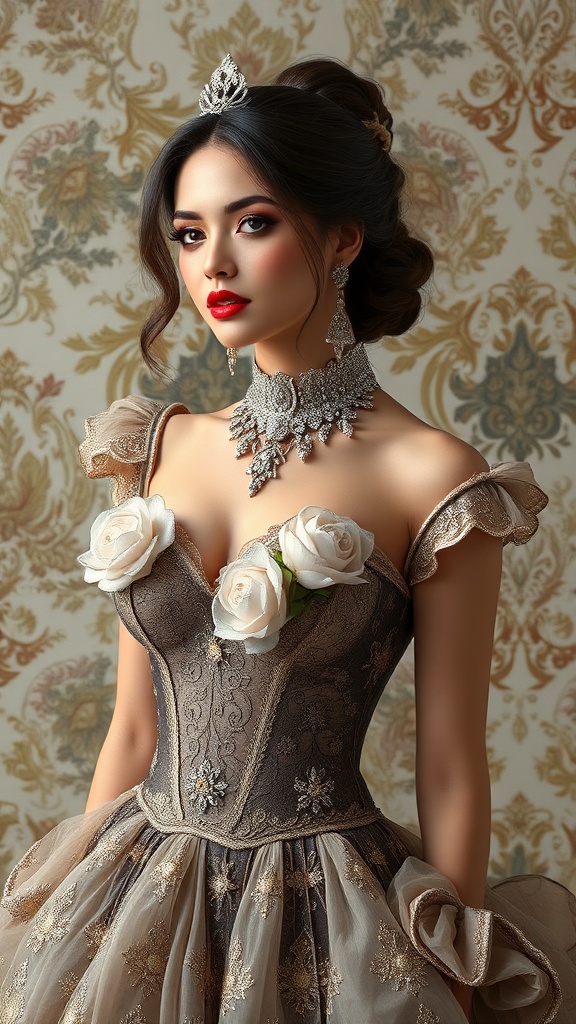
In France, the term is legally protected and tied to strict standards that emphasize a Paris-based atelier, a team of skilled technicians, and a full collection of original designs.
The result is an exclusive product: one-of-a-kind construction, meticulous finishing and techniques that are often passed down through generations.
The atelier and the artisan
At the heart of couture is the atelier — a workshop where pattern makers, cutters, tailors, embroiderers and milliners collaborate. Hand-sewn seams, hand-set beads, needle lace, intricate pleating and trompe-l’œil embroidery are common hallmarks. Many couture houses maintain in-house embroidery workshops and rely on specialist suppliers for lace, sequins and rare textiles. This concentration of craft knowledge preserves methods that machine production cannot replicate.
Why couture still matters
Couture serves several roles. It advances technique and innovation that trickle into commercial collections. It functions as the ultimate expression of brand identity and creative freedom. On the market side, couture attracts high-net-worth clients for bespoke dressing and red-carpet moments, while also generating media attention and brand desirability that benefit wider product lines. Celebrities and cultural institutions showcase couture pieces, ensuring their iconic status.
Modern evolutions
Couture is evolving in response to cultural and technological shifts.
Sustainability has become a prominent concern, prompting ateliers to rethink sourcing, embrace upcycling, adopt zero-waste pattern cutting and select more traceable fibers. Digital tools — from 3D visualization and virtual fittings to augmented-reality showrooms — are redefining client experiences without replacing the handwork that defines couture. Collaborations between couture houses and contemporary designers, artists or tech firms are also reshaping what bespoke can mean.
Accessibility and influence
While couture remains exclusive by design, its aesthetic ripples across the broader fashion ecosystem.
High-fashion techniques inform luxury ready-to-wear, bridal couture and bespoke eveningwear.
Fashion schools often partner with couture ateliers, helping new generations learn embroidery, tailoring and couture finishing, ensuring those techniques continue to survive and adapt.
Collecting couture
Outside of clients who commission pieces, museums and collectors play a key role in conserving couture heritage. Proper preservation captures the technical mastery behind garments and allows historians and designers to study construction methods that are otherwise private.
The enduring appeal of couture lies in the painstaking skill behind each stitch and the cultural narratives garments can convey. Whether experienced in an atelier fitting, through a high-gloss magazine spread or in a virtual showroom, couture continues to stand as a testament to craftsmanship, creativity and the powerful human desire for the extraordinary.