Haute Couture Explained: Craftsmanship, Trends, and Its Role in Luxury Fashion
Haute couture remains the pinnacle of fashion — where artistry, technique, and luxury converge to create garments that are truly one-of-a-kind. Far from being an isolated spectacle, couture continuously shapes wider fashion trends, influences ready-to-wear, and serves as a testing ground for craftsmanship and innovation. For anyone interested in luxury fashion, understanding what couture represents […]
Haute couture remains the pinnacle of fashion — where artistry, technique, and luxury converge to create garments that are truly one-of-a-kind. Far from being an isolated spectacle, couture continuously shapes wider fashion trends, influences ready-to-wear, and serves as a testing ground for craftsmanship and innovation.
For anyone interested in luxury fashion, understanding what couture represents and how it’s evolving is essential.
What defines couture
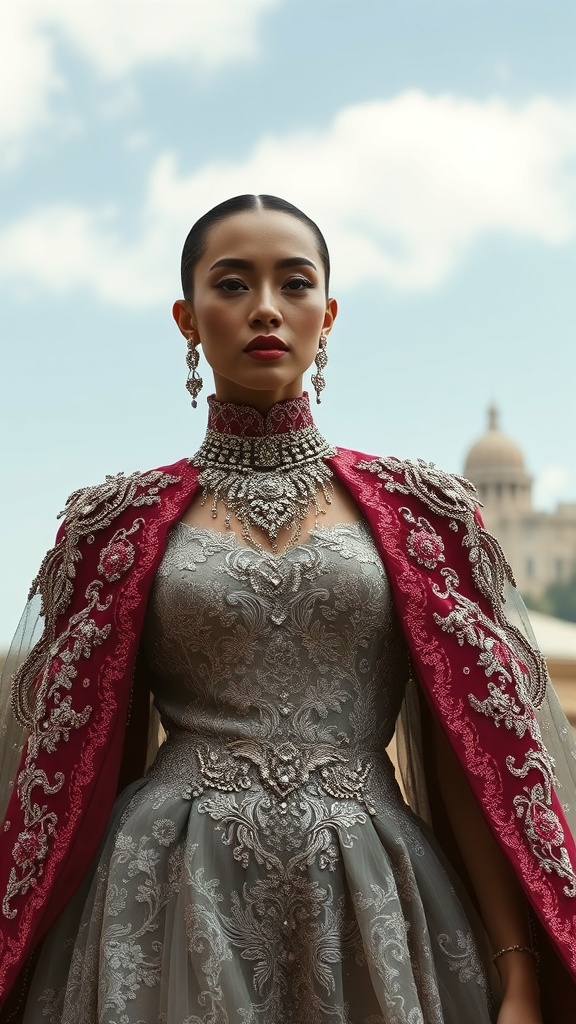
Haute couture refers to custom-made clothing created by specialized ateliers.
Each piece is tailored to an individual client’s measurements and preferences, made with painstaking handwork: pattern cutting, multiple fittings, intricate embroidery, and finishes invisible to the casual observer. The hallmark qualities are exclusivity, exceptional materials, and unmatched artisanal skill.
These pieces are not mass-produced; they are crafted as wearable works of art.
The couture process
A couture commission typically begins with consultation and sketching, moves to pattern-making and toiles to perfect fit, and proceeds through multiple fittings. Embellishment and finishing are often done by hand in the atelier using techniques passed down through generations.
The result is clothes that celebrate human skill — where seams, beading, and fabric manipulation are executed with precision no machine can mimic.
Why couture still matters
Beyond the obvious glamour, couture drives innovation. Techniques developed in the atelier often migrate into ready-to-wear collections and commercial production.
Couture houses experiment with new materials, sustainable practices, and hybrid techniques that later influence mainstream design. Couture also preserves rare artisanal crafts — hand embroidery, straw work, feather dressing, and complicated lace-making — keeping them alive through commissions and training programs.
Contemporary trends reshaping couture
Sustainability and transparency have become major themes within couture. Ateliers are spotlighting responsible sourcing, preserving vintage fabrics, upcycling archival pieces, and documenting provenance to add ethical dimension to luxury. Digital tools complement handcraft rather than replace it: 3D modeling, virtual fittings, and advanced dyeing technologies streamline parts of the process while the human touch remains central.
Another trend is accessibility through experience. Private appointments, immersive atelier tours, and curated exhibitions allow collectors and enthusiasts to engage with couture beyond red-carpet moments.
Some houses are offering exclusive capsule collaborations, bridging couture savoir-faire with contemporary artists and tech partners to create crossover pieces that attract new audiences.
Investment and collecting
Couture pieces often appreciate in cultural and monetary value; they are collected by museums and private connoisseurs alike. When considering a commission or purchase, pay attention to provenance, condition, and documentation. Certified tailoring records and atelier receipts increase a piece’s long-term desirability.
For those not ready to commission, vintage couture, rentals, and bespoke recreations can offer entry points into this world.
How to experience couture
Start by following exhibitions at major museums and curated galleries, attend public couture shows when possible, or request an atelier visit for a private viewing. Stylists and luxury consultants can facilitate commissions and fittings. Even observing couture through editorials and documentaries provides insight into the hours of labor and artistic vision behind each garment.
Couture is more than fashion — it’s a living archive of craft, creativity, and luxury. Whether approached as art, investment, or personal expression, couture continues to captivate by combining time-honored techniques with contemporary relevance, ensuring its place at the heart of style and innovation.