Haute Couture Explained: Craftsmanship, Sustainability & Why It Still Matters
What Is Haute Couture and Why It Still Matters Haute couture represents the pinnacle of fashion: garments conceived and executed with unmatched skill, made-to-measure for individual clients, and created largely by hand in small ateliers. Unlike ready-to-wear, couture is defined by an intensive process — dozens of fittings, custom patterns, delicate handwork such as embroidery […]
What Is Haute Couture and Why It Still Matters
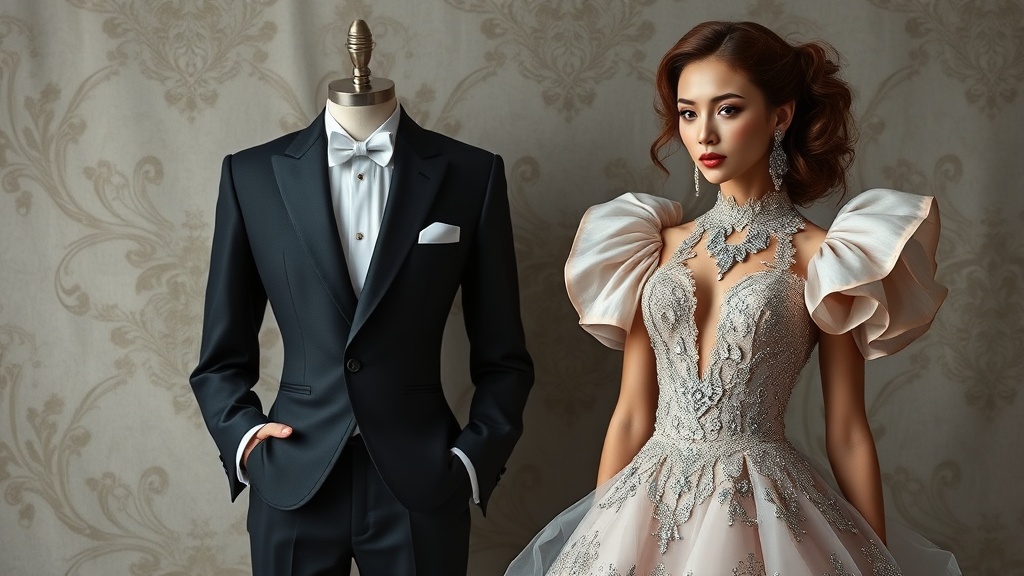
Haute couture represents the pinnacle of fashion: garments conceived and executed with unmatched skill, made-to-measure for individual clients, and created largely by hand in small ateliers. Unlike ready-to-wear, couture is defined by an intensive process — dozens of fittings, custom patterns, delicate handwork such as embroidery and beading, and rigorous attention to fit and proportion.
The result is not just clothing but wearable art that reflects a maison’s savoir‑faire.
Couture Craftsmanship: The Heart of the Atelier
At the center of every couture piece are artisans whose techniques have been refined over decades. Corsetry, hand pleating, tambour embroidery, and delicate appliqué require specialized tools and years of apprenticeship.
Many maisons maintain in-house ateliers where pattern cutters, embroiderers, and seamstresses collaborate closely with designers.
This concentration of skills safeguards craft knowledge and produces the nuanced finishes that distinguish couture from other forms of luxury fashion.
How Couture Houses Operate
Couture houses balance exclusivity with brand storytelling. A couture collection often showcases a maison’s aesthetic and technical strengths while serving high-net-worth clients who commission bespoke garments. These garments can be commissioned for red carpets, private events, or simply as long-term investments in wardrobe heirlooms. Pricing reflects the intensive labor, premium materials, and exclusivity; couture is typically marketed through private appointments rather than conventional retail channels.
Modern Trends Shaping Couture
Couture is evolving. Design teams are blending traditional techniques with contemporary influences to remain relevant. There’s increased interest in minimalism applied to couture construction, experimental textiles, and sculptural silhouettes that push couture beyond classic eveningwear.
Digital tools are being used for pattern development and client visualization, while virtual showrooms and private digital appointments complement in-person fittings — enhancing convenience without replacing tactile experience.
Sustainability and Ethical Considerations
Sustainability is influencing couture practice in meaningful ways.
Many ateliers are sourcing responsibly produced fabrics, repurposing vintage trims, and emphasizing the longevity of garments as a form of sustainable consumption.
Couture’s made-to-order model inherently reduces overproduction.
Meanwhile, preserving artisan livelihoods and fair labor practices within ateliers is becoming a priority for maisons seeking ethical credibility.
Buying and Collecting Couture
For collectors and patrons, couture offers long-term value through rarity and craftsmanship. When considering a commission, prioritize clear communication about timelines, materials, and aftercare. Maintenance is part of the investment: bespoke garments often require professional storage, cleaning, and occasional repairs to retain their condition. Provenance and documentation — sketches, fittings records, and certificates — enhance collectability and resale potential.
The Cultural Role of Couture
Beyond commerce, couture plays a cultural role by preserving craft traditions and inspiring wider fashion innovation. Techniques refined in couture frequently filter down into ready-to-wear and accessories, influencing broader trends.
Couture presentations remain high-impact moments for brand identity, offering creative directors a stage to reinterpret heritage and experiment with form.
Couture’s Future
As couture adapts to changing client expectations and environmental concerns, its core mission endures: to celebrate extraordinary skill and singular vision. The intersection of tradition and innovation ensures couture remains relevant, offering personalized luxury that is as much about mastery and storytelling as it is about fabric and fit. For anyone interested in fashion at its most meticulous, couture continues to be a source of inspiration and admiration.